Global growth to slow to 2.6 pc in 2025: UN report

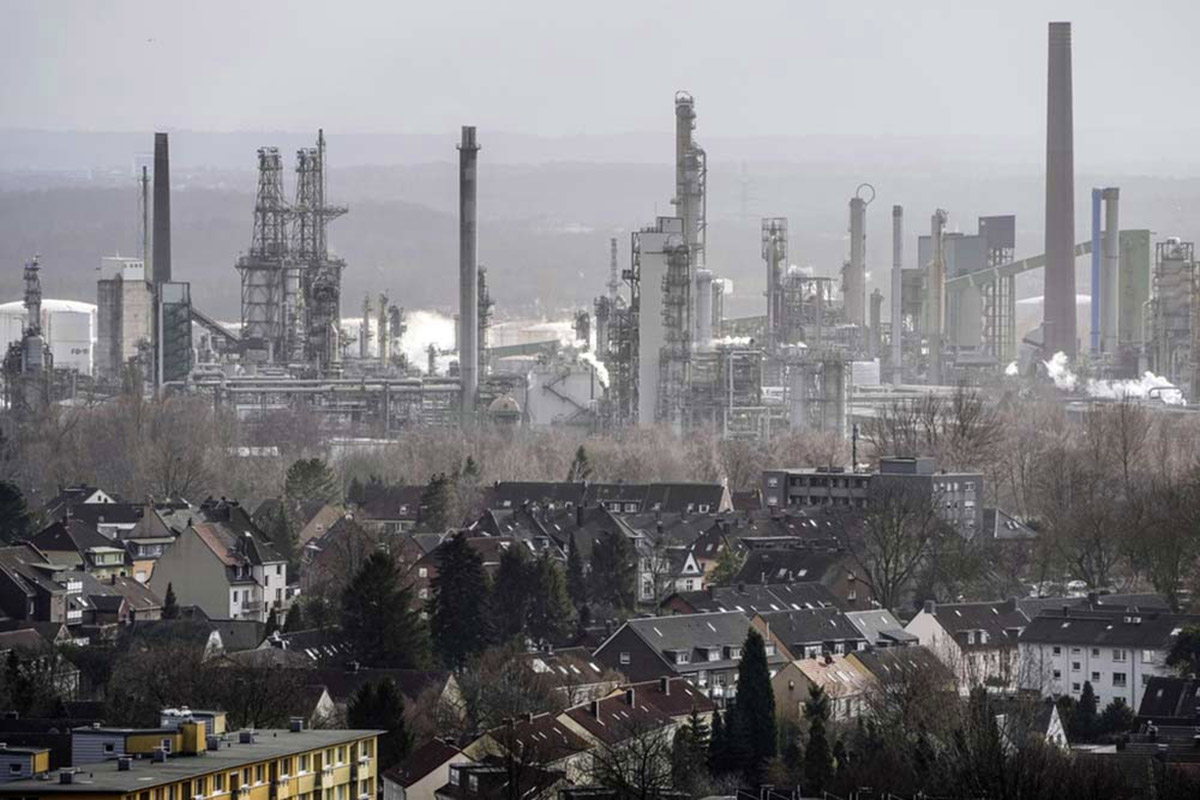
GENEVA: Global growth will slow to 2.6% in 2025, down from 2.9% in 2024, as financial volatility and geopolitical uncertainty weigh on trade and investment, the United Nations Conference on Trade and Development (UNCTAD) says in a report released on Tuesday.
UNCTAD’s Trade and Development Report 2025 finds that shifts in financial markets affect global trade almost as strongly as real economic activity, influencing development prospects worldwide, the UN trade body said.
The report says that despite potential gains from new technologies such as artificial intelligence, global growth is projected to remain subdued in 2026 at 2.6%.
UNCTAD said its projection is based on a global growth aggregate using market exchange rate (MER) weights rather than purchasing power parity (PPP) weights used by the Organisation for Economic Co‑operation and Development (OECD), with the latter producing a higher global growth forecast. The OECD on the same day predicted that global GDP growth will slow from 3.2% in 2025 to 2.9% in 2026.
UNCTAD Secretary‑General Rebeca Grynspan said the findings show how financial conditions increasingly determine the direction of global trade. "Trade is not just a chain of suppliers. It is also a chain of credit lines, payment systems, currency markets, and capital flows," she said.
The report says developing economies are forecast to grow by 4.3% in 2025, significantly faster than advanced economies.
However, UNCTAD warns that higher financing costs, greater exposure to sudden shifts in capital flows and rising climate‑related financial risks are constraining the fiscal and investment space that developing economies need to sustain growth.
The report notes that many developing economies with small domestic financial markets rely on external borrowing at significantly higher rates of 7–11%, compared with 1–4% in major advanced economies.
In addition, climate vulnerability adds to financial pressures, with countries repeatedly exposed to extreme weather paying an estimated US$20 billion more each year in interest.
UNCTAD calls for a set of reforms to reduce financial vulnerability, improve predictability and strengthen alignment among trade, finance and development.
Recommended measures include updates to trade rules, policies to narrow data caps, reforms of the international monetary system and the development of capital markets.
By RSS/Xinhua