Trump Proposes $1.5 Trillion Defense Budget by 2027 to Enhance US Military Capabilities and Oversight

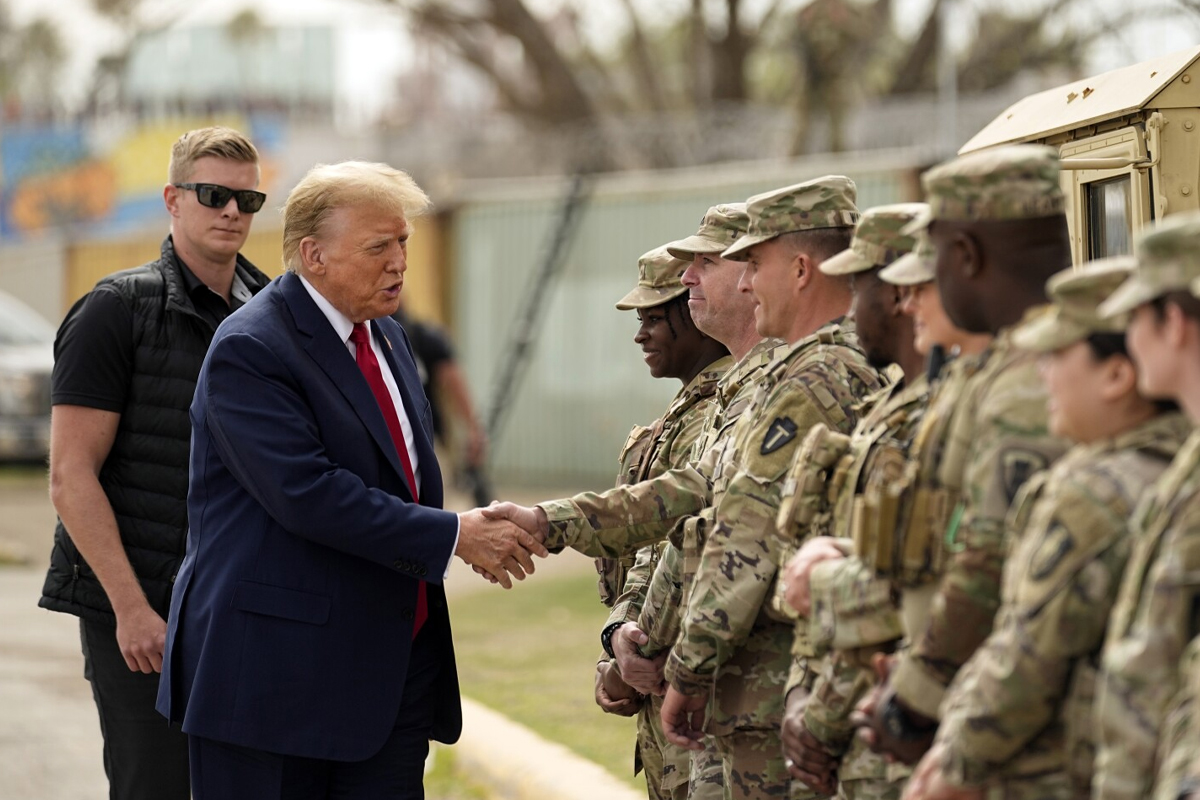
WASHINGTON: President Donald Trump on Wednesday proposed increasing U.S. military spending to $1.5 trillion by 2027, citing heightened global threats and the need to strengthen national security. The proposal represents a sharp rise from the 2026 budget of $901 billion.
Trump outlined the plan shortly after authorising a U.S. operation targeting Venezuelan leader Nicolás Maduro. U.S. forces remain deployed in the Caribbean, and the administration has also signalled interest in potential operations in Colombia and other strategic locations.
In a post on Truth Social, Trump described the funding surge as necessary to build what he called a “Dream Military” capable of defending the United States in “troubled and dangerous times.” He cited increased revenue from tariffs—which reached $288.5 billion in 2025, up from $98.3 billion in 2024—as enabling the proposed expansion.
The president also criticised defense contractors for underperformance. He specifically targeted Raytheon, threatening to suspend Pentagon contracts if the company continues stock buybacks rather than investing in weapons manufacturing. An executive order directs the Pentagon to review contractors, prohibit buybacks during periods of underperformance, and ensure executive pay is not tied to short-term financial metrics.
Raytheon produces widely used U.S. military missiles, including Tomahawk, Javelin, Stinger, and Sidewinder systems, and owns Pratt & Whitney, which manufactures engines for several military aircraft, including the F-35 Joint Strike Fighter. Following Trump’s statements, shares of major defense companies fell, with Northrop Grumman down 5.5%, Lockheed Martin down 4.8%, and Raytheon’s parent company RTX Corp. declining 2.5%.
Trump’s proposal is expected to face scrutiny from Democrats, who are concerned about maintaining balance between defense and domestic spending, as well as from GOP deficit hawks wary of further increases. Administration officials maintain that the increased spending is justified by strategic priorities and enhanced accountability for defense contractors.
The plan signals a continuation of the Trump administration’s focus on expanding military capabilities while reforming procurement practices to ensure that defense investments translate into operational readiness and long-term strategic advantage.
-1775026703.jpg)