Japan's $550billion promise to Trump
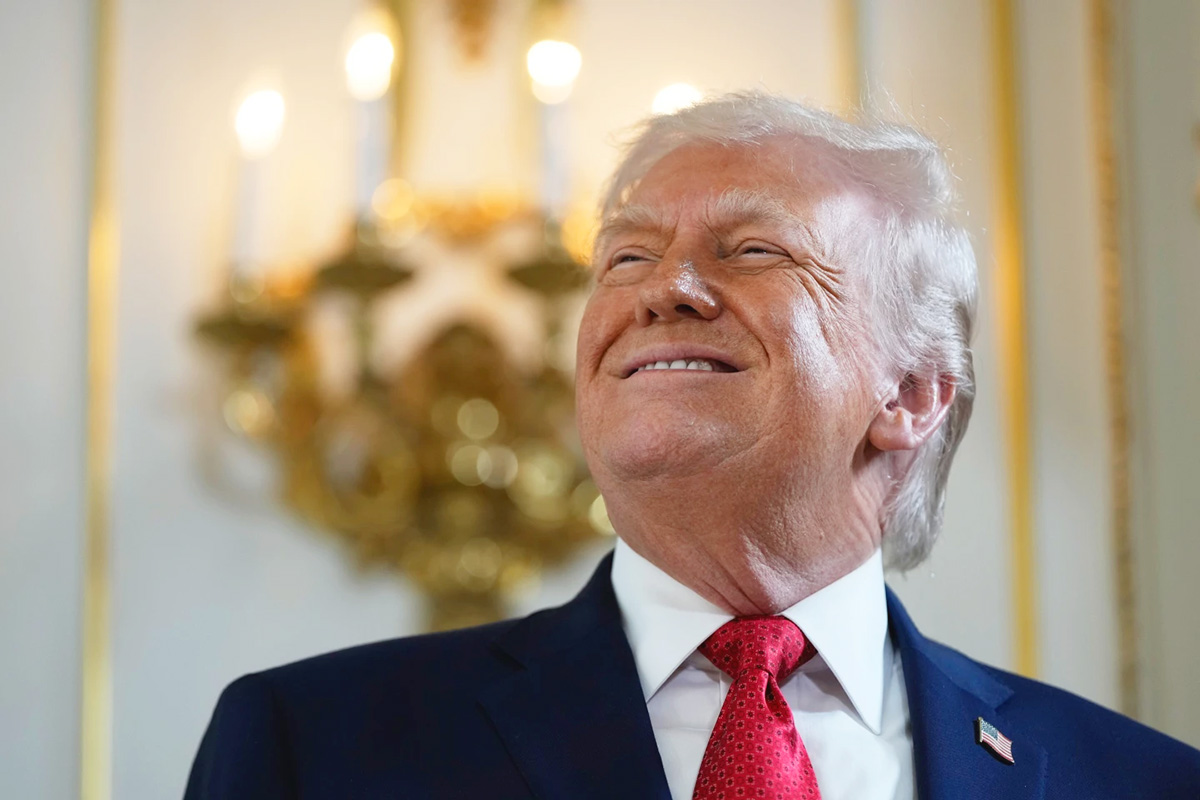
TOKYO: Despite President Donald Trump having congratulated Japan's Prime Minister Sanae Takaichi on her recent election triumph, Tokyo is under pressure to deliver on colossal investments promised in the United States.
Ahead of the possible announcement of the first projects this week and Takaichi's scheduled visit to the White House next month, AFP looks at what Japan pledged, the uncertainties and what's at stake.
What was agreed?
In July, Japan agreed to invest $550 billion through 2029 "to rebuild and expand core American industries", the White House said, generating "hundreds of thousands of US jobs".
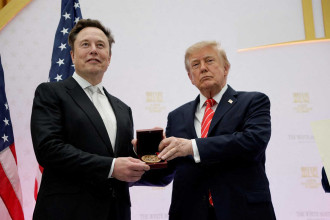
The pledge was in exchange for reducing threatened tariffs of 25 percent to 15 percent on Japanese imports. Trump likened it to a "signing bonus" for a baseball player.
What has been announced so far?
Ahead of Trump's October visit to Japan came a list of "interest" by Japanese firms -- from nuclear reactors and AI data centre "chillers" to dredging shipping channels and a fertiliser factory.
One unnamed diplomat involved in meetings beforehand with US Commerce Secretary Howard Lutnick told the Financial Times it was like "street-level tactics".
How are the investments chosen?
According to a memorandum of understanding, proposals go through two committees before going across Trump's desk for final approval.
Japan then has to provide the necessary funding within 45 business days. It can say no but then faces increased tariffs.
Washington and Tokyo will split any profits 50:50 until Japan recoups its investments. Thereafter, the United States gets nine-tenths.
Where will the money come from?
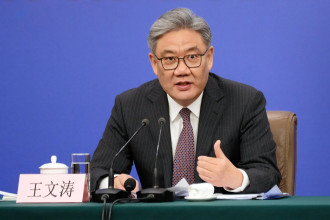
Ryosei Akazawa, Japan's trade minister -- in Washington this week -- has said that only one to two percent of the $550 billion would be actual capital.
The rest will be made up of bonds and loans from the Japan Bank for International Cooperation (JBIC) and credits guaranteed by the Japanese state.
"While there is an injection of capital... to buffer the potential losses by using taxpayers' money, this $550 billion is not a give-away of our taxpayers' money to President Trump," UBS economist Masamichi Adachi told AFP.
What are the potential problems?
"While (Takaichi) would be eager to show results... it could be a challenge, because companies make the final decision on investing in the US," Kohei Iwahara at Natixis told AFP.
Many Japanese firms remain "curious but wary," William Chou at the Hudson Institute said, due to a "continuing lack of clarity on the administrative and financial procedures".
Other major concerns for Japanese firms include labour shortages in the United States and difficulties securing things like land permits, Chou said in a note.
What progress has been made?
The clock is ticking ahead of Takaichi's White House visit on March 19, and according to media reports tempers are starting to fray.
In January, Trump told South Korea that he would raise tariffs to 25 percent, saying its parliament was "not living up to its Deal with the United States".
To avoid a similar fate to Seoul -- on the hook for investing $350 billion -- Tokyo could reportedly announce some early deals in Akazawa's visit worth some $40 billion.
These could include gas power generation for data centres, upgrading ports for large oil tankers and manufacturing synthetic diamonds, Japanese media reported.
"If Japan could offer the Trump administration specific new projects, it could help the White House to demonstrate their achievements to American voters," said Kazuma Maeda at Dai-ichi Life Research Institute.
"The Trump administration is facing difficult mid-term elections.... The administration is eager for a signature policy," Maeda told AFP.
"Regarding specific projects within the investment initiative, discussions are currently underway," Akazawa said before leaving.
"The Trump administration is a very tough administration."
By RSS/AFP