Solar panels on building walls could power cities, cut emissions: study

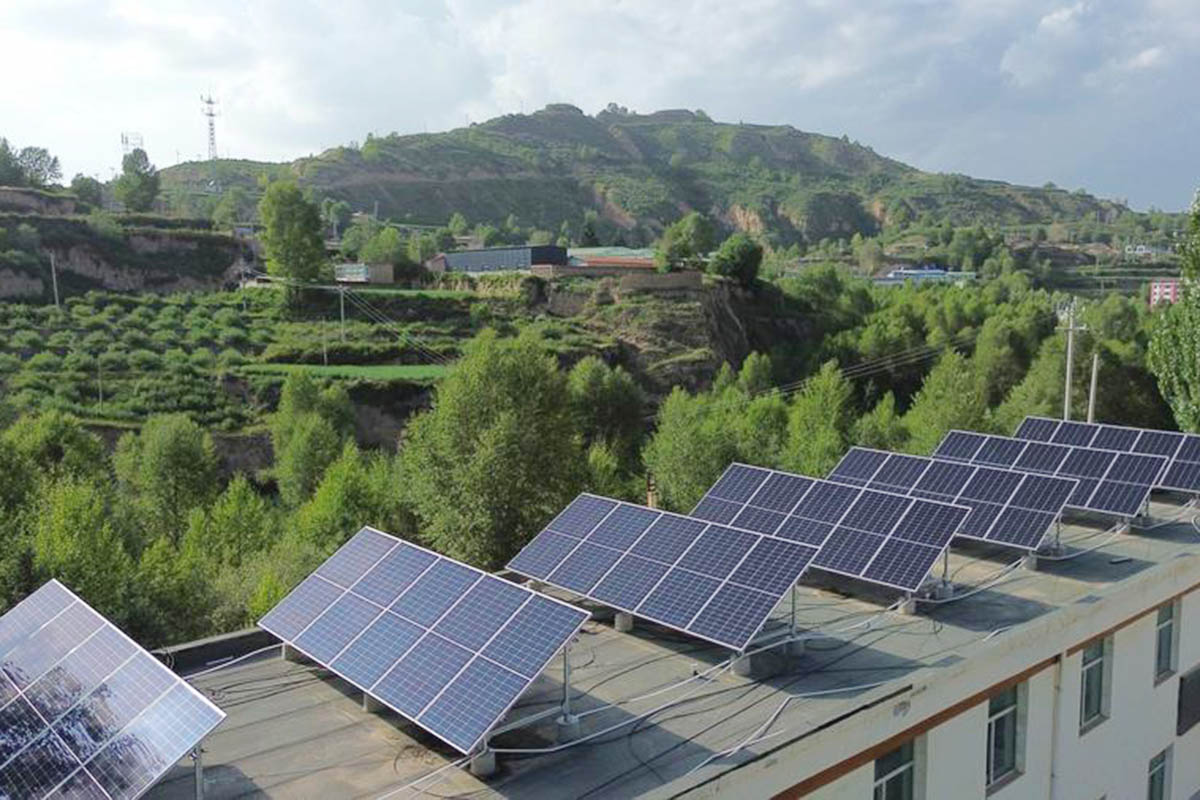
BEIJING: A new study by Chinese scientists suggests that fitting solar panels to the external walls of buildings could generate substantial amounts of electricity while lowering cooling costs and cutting carbon emissions.
The research, led by the Institute of Geographic Sciences and Natural Resources Research (IGSNRR) at the Chinese Academy of Sciences, was published on Friday in the journal Nature Climate Change. Most photovoltaic systems are currently sited on rooftops, but the study examines the largely untapped potential of vertical building façades through façade-integrated photovoltaics (FIPV).
Using global data on building geometry, attributes and weather, the team modelled potential electricity generation from FIPV and its effects on internal heating and cooling demand. The researchers noted that external panels can provide shading and reduce heat absorption.
Under the study’s most plausible deployment scenario, FIPV could produce about 732.5 terawatt-hours a year worldwide and reduce building electricity demand by an average of 8.1%, mainly by cutting air-conditioning use.
The authors estimate that, if FIPV reached its full potential by mid-century, cumulative carbon emissions could be reduced by 37.7 gigatonnes. They warned, however, that realising these benefits would require targeted policies, careful planning and strategies tailored to local conditions.
“As climate change brings more extreme heat and rising energy demand in cities, the study highlights an overlooked opportunity to make buildings more energy-efficient and climate-resilient at the same time,” said Professor Yao Ling of the IGSNRR.
By RSS/Xinhua