Trump signals early exit: US may end Iran war without reopening Hormuz

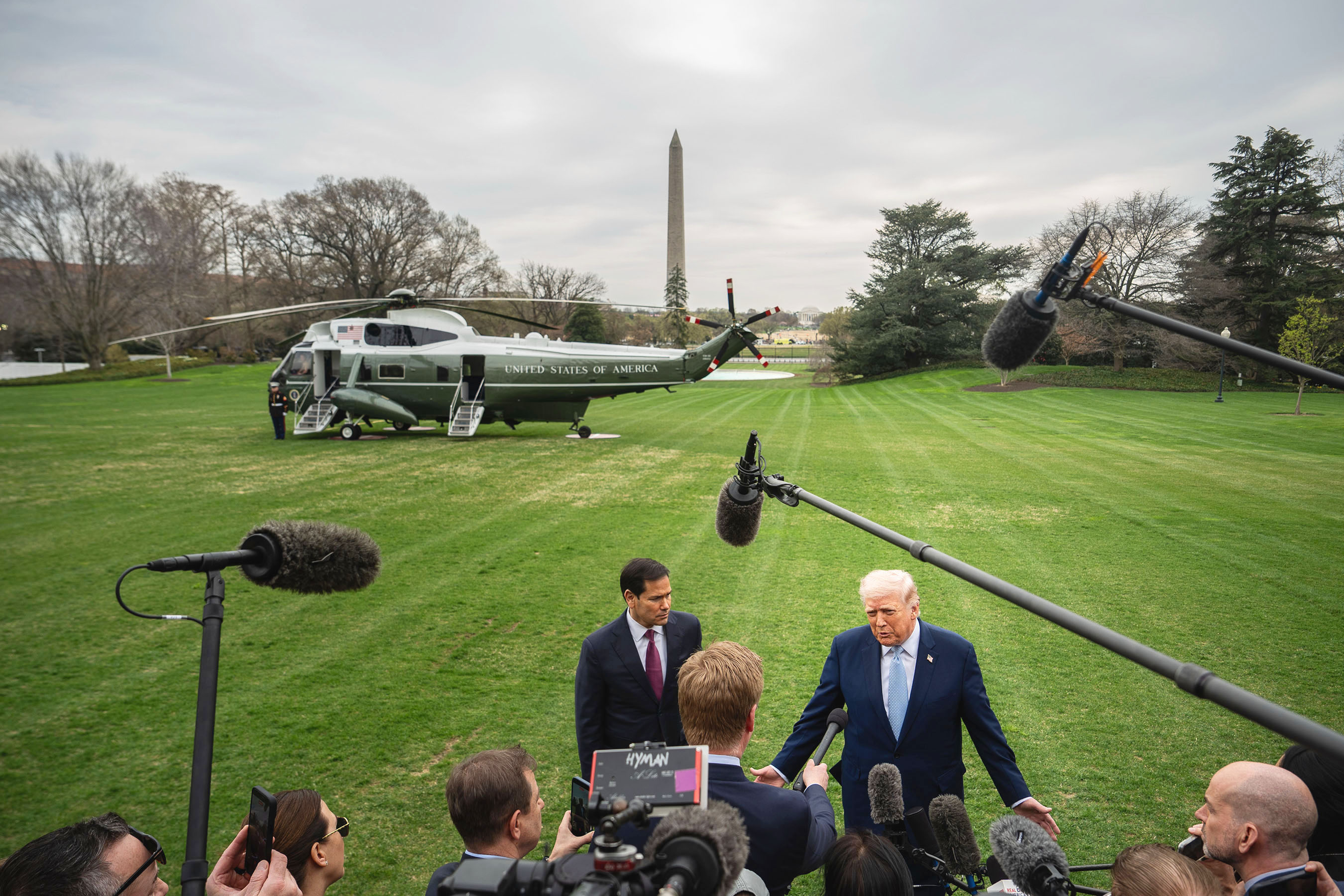
WASHINGTON DC: US President Donald Trump is considering ending the US military campaign in Iran within a four-to-six-week timeline, even if the Strait of Hormuz remains closed, The Wall Street Journal reported.
He has indicated to aides that he is prepared to wind down military operations against Iran within that timeframe, even if the strait remains effectively closed.
The decision would likely extend Tehran's control over the vital waterway and shift the focus to diplomatic efforts to reopen it. Trump has expressed willingness to wind down hostilities, saying key objectives such as weakening Iran's navy and missile capabilities have been achieved.
According to administration officials cited by The Wall Street Journal, the President believes the US can declare victory by achieving its "core" military goals without becoming bogged down in a protracted maritime clearance mission.
Trump characterised the closure as a problem primarily for Asia and Europe, noting that 84% of the oil through the strait is bound for Asian markets, and said the US is no longer as dependent on Middle Eastern energy.
The closed strait is causing significant disruptions, with oil prices surging past $100 a barrel and potential shortages in fertiliser and other critical goods.
The US could consider escorting tankers or a multinational effort to reopen the strait, but these are not immediate priorities, The Wall Street Journal reported.
Despite talk of ending the war, the US military footprint in the region continues to grow, creating a contradictory picture of the administration's "exit". The USS Tripoli and the 31st Marine Expeditionary Unit have arrived, with elements of the 82nd Airborne and 10,000 additional ground troops under consideration.
Trump has alternately threatened to bomb Iran's civilian energy grid if the strait is not opened, while simultaneously calling the war a "lovely stay" and an "excursion."
Earlier, the White House said the recent movement of oil tankers through the Strait of Hormuz, despite a virtual blockage amid the West Asia conflict, is the result of ongoing direct and indirect talks between the United States and Iran, crediting diplomatic efforts led by President Trump.
White House Press Secretary Karoline Leavitt rejected claims that Iran is selectively allowing certain tankers to pass or imposing informal controls over maritime traffic. "That's not something we support, and I would reject that they are cherry-picking," she said, adding that the tankers moving through are a result of the talks between the United States and Iran.
Leavitt insisted such tanker movements would not have been possible without sustained diplomatic engagement by the US administration. "So, you wouldn't have seen those tankers if not for the president's diplomacy and his team engaging on this matter," she said.
On Sunday, Trump said that Iran is allowing 20 oil tankers to pass through the Strait of Hormuz as a "sign of respect", telling reporters aboard Air Force One that Iran initially agreed to send 10 boats through the strait and then added 10 more.
Meanwhile, Iran's Parliament Security Committee on Monday approved the Strait of Hormuz Management Plan, Iranian state media Islamic Republic of Iran Broadcasting reported.
A member of the National Security Commission told IRIB the plan was formally approved and detailed key areas of focus, including security arrangements for the strait, ship safety, environmental protection, financial arrangements, and the implementation of a rial-based toll system.
The plan explicitly bans passage for American and Israeli vessels, reinforces Iran's sovereign role and that of its armed forces, outlines cooperation with Oman on the legal framework for the strait, and prohibits passage for countries participating in unilateral sanctions against Iran, IRIB reported.
The approved measures come amid ongoing conflict in West Asia between Iran and the US-Israeli coalition and reflect Tehran's efforts to assert control over one of the world's most critical maritime chokepoints, through which a significant portion of global oil shipments transit.
By RSS/ANI