Middle East war: ceasefire reactions

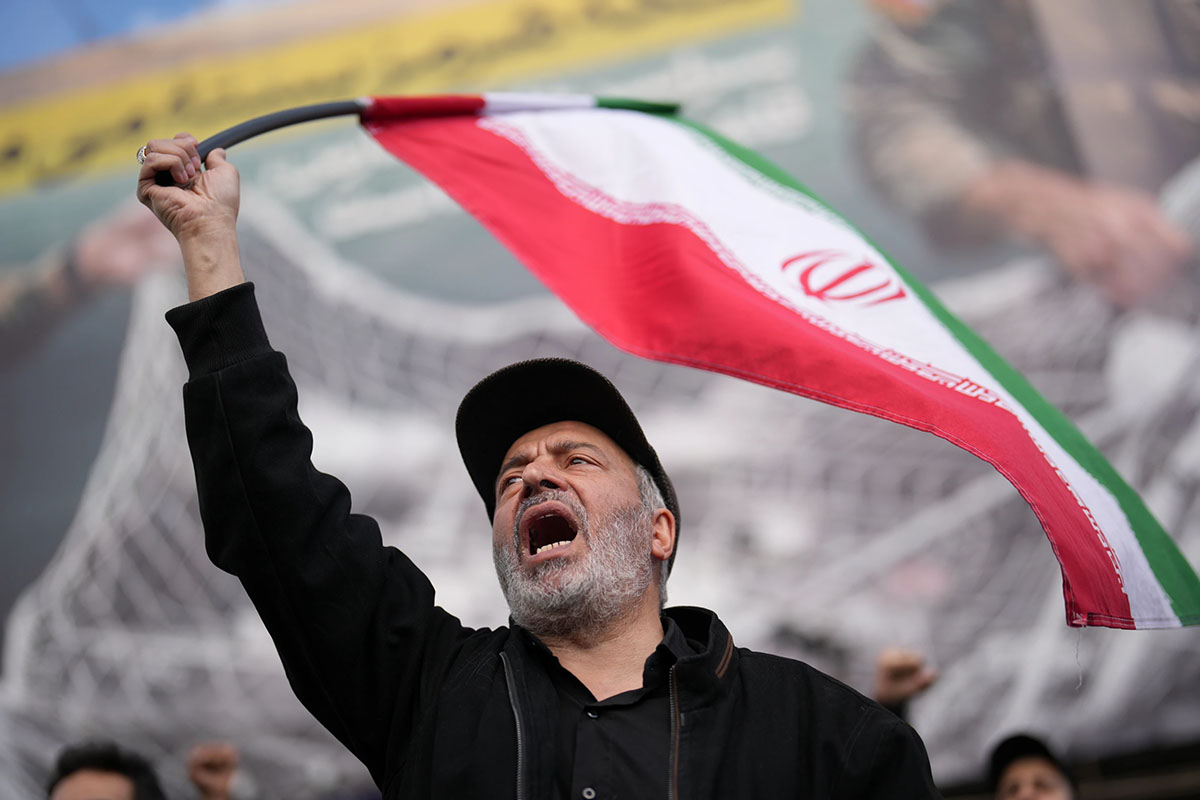
PARIS: The United States and Iran agreed to a two-week ceasefire, with both sides claiming victory.
Here are reactions from across the globe:
- South Korea -
South Korea welcomed the ceasefire and hoped it would bring about the safe passage of all vessels, including its own, through the Strait of Hormuz.
"The South Korean government hopes that negotiations between the two sides will be successfully concluded and that peace and stability in the Middle East will be restored at an early date," South Korea's Ministry of Foreign Affairs said in a statement.
"The South Korean government hopes that the free and safe navigation of all vessels, including those of South Korea, through the Strait of Hormuz will be swiftly ensured, and will continue to engage in communication and consultations with relevant countries to this end," it added.
- United Nations -
UN Secretary-General Antonio Guterres welcomed the ceasefire but urged all parties to work toward long-term peace in the Middle East.
"The Secretary-General welcomes the announcement of a two-week ceasefire by the United States and Iran," his spokesperson said in a statement.
He added that the UN chief "calls on all the parties to the current conflict in the Middle East to comply with their obligations under international law and to abide by the terms of the ceasefire in order to pave the way toward a lasting and comprehensive peace in the region."
- Australia -
Australia cautioned that the longer the war draws on, "the more significant the impact on the global economy will be, and the greater the human cost".
"Australia wants to see the ceasefire upheld and a resolution to the conflict," Prime Minister Anthony Albanese's office said in a statement.
"We continue to call on all parties to uphold international humanitarian law and protect civilian life," it added.
- New Zealand -
New Zealand welcomed the ceasefire but warned that there remains "significant work" to be done to secure peace.
"While this is encouraging news, there remains significant important work to be done in the coming days to secure a lasting ceasefire," Foreign Minister Winston Peters' spokesperson said.
"In the coming days and weeks, New Zealand will stand in support of all efforts to bring about a lasting, durable end to this conflict," he added.
- Japan -
Japan said that "concrete steps" are needed to de-escalate the crisis, including ensuring the safe passage of vessels through the Strait of Hormuz.
The world's fourth-largest economy is the fifth biggest importer of oil, with around 70 percent coming through the vital waterway before the war.
"The most important thing is that concrete steps will be taken to de-escalate the situation, including ensuring the safety of navigation through the Strait of Hormuz," Japanese government spokesman Minoru Kihara said.
"We hope the final agreement will be reached through diplomacy at an early date."
- Iraq -
Iraq's foreign ministry said it "welcomes" the ceasefire but called for "serious and sustainable dialogue" between the US and Iran.
The ministry "calls for building upon this positive step by launching serious and sustainable dialogue tracks that address the root causes of the disputes and strengthen mutual trust," it said on X.
- Pakistan -
Pakistan's Prime Minister Shehbaz Sharif said that the United States, Iran and their allies had agreed to a ceasefire "everywhere", including Lebanon.
"I am pleased to announce that the Islamic Republic of Iran and the United States of America, along with their allies, have agreed to an immediate ceasefire everywhere, including Lebanon and elsewhere, EFFECTIVE IMMEDIATELY," Sharif said on X.
Israel said later, however, that the two-week ceasefire "does not include Lebanon."