Mideast conflict rattles Japan's auto industry

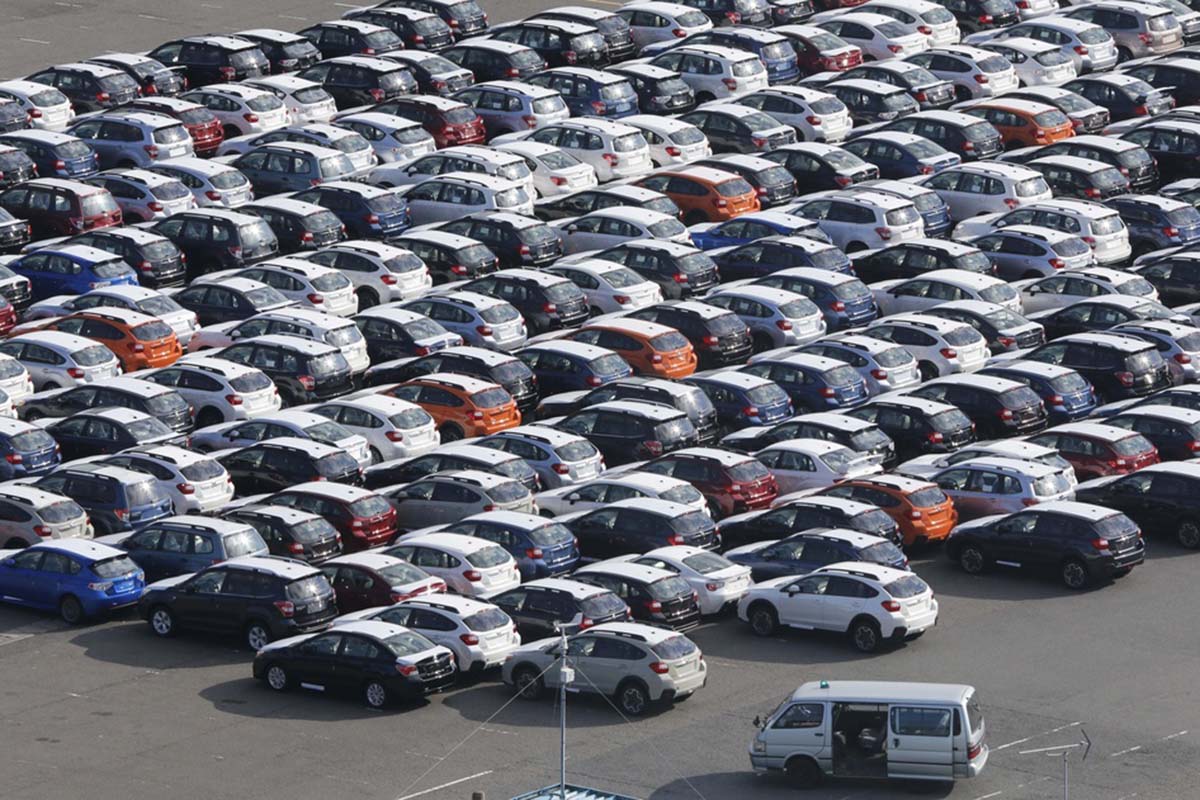
TOKYO: Over a month since the Middle East conflict erupted, its grip on Japan's auto industry has only tightened: disruptions to imports of key raw materials such as naphtha are pushing up costs and squeezing parts production, while shipping blockages have forced carmakers to idle production lines serving the region.
Data from trade intelligence firm Kpler showed Japan's imports of petroleum products, including naphtha, fell around 30% in March from the previous month.
As a critical feedstock for the chemical industry, the tightening naphtha supplies have led to shortages of raw materials for producing plastic components such as ethylene, while prices of butadiene and synthetic rubber, essential building blocks for tyre manufacturing, have surged.
Tang Jin, a senior researcher at Japan's Mizuho Bank and an expert in the automotive sector, said prolonged tensions in the Middle East are having a direct and profound impact on Japan's car industry.
Tighter naphtha supplies are driving up prices for a wide range of auto parts and tyres, he said, raising production costs, squeezing automakers' margins and eroding the global competitiveness of Japanese cars.
The Middle East is a key market for Japanese automakers. However, shipment disruptions, delivery delays and order cancellations have thrown their production plans off track, forcing several manufacturers to reduce or suspend output of models earmarked for Middle Eastern customers.
Japanese media reported that Toyota Motor Corp plans to cut production of vehicles bound for the Middle East by 24,000 units in April. Nissan Motor Co said it would extend into April the output reductions it implemented in March. Mazda Motor Corp confirmed it would halt production of vehicles for Middle East export through the end of May, while Subaru Corp said exports to the region had already ceased due to shipping disruptions through the Strait of Hormuz.
With Iran and the United States reaching a two-week ceasefire and safe passage through the Strait of Hormuz expected to be restored, industry insiders say it is still too early to tell how the situation will unfold and are taking a wait-and-see approach to its impact on the industry.
By RSS/Xinhua