NIICE hosts seminar on newly published book 'Seventy Years of Nepal–China Relations'

-1776324324.jpeg)
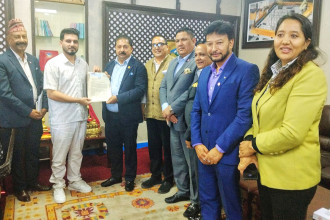
KATHMANDU: Nepal Institute for International Cooperation and Engagement (NIICE) hosted a high-level seminar on Wednesday to discuss the newly published book 'Seventy Years of Nepal–China Relations'.
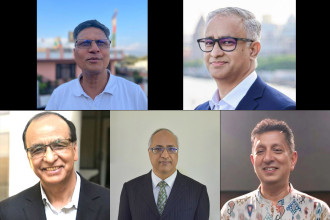
The seminar brought together former diplomats, academics and policy researchers to consider the trajectory and future of ties between Nepal and China. Among the panellists were former Nepali ambassadors to China, Dr Mahesh K Maskey and Bishnu Pukar Shrestha, Prof Zhang Jiadong of Fudan University, and Bibek Dhoj Thapa, programme coordinator and research associate at NIICE and one of the book’s co-editors.
Dr Maskey highlighted select issues from the book and urged greater mutual understanding of Nepal’s sensitivities. He said, "I appreciate the book’s balanced outlook on the Global Security Initiative (GSI)."
He also called on think-tanks to scrutinise interest rates on foreign debt and repayment capacity before endorsing major projects. In addition, Maskey pointed to artificial intelligence in special economic or cross-border economic zones as a potential foundation for Nepal’s economic growth.
-1776324324.jpeg "NIICE-seminar,-Seventy-Years-of-Nepal-China-Relations-(5)-1776324324.jpeg")
-1776324324.jpeg "NIICE-seminar,-Seventy-Years-of-Nepal-China-Relations-(7)-1776324324.jpeg")
-1776324324.jpeg "NIICE-seminar,-Seventy-Years-of-Nepal-China-Relations-(8)-1776324324.jpeg")
-1776324324.jpeg "NIICE-seminar,-Seventy-Years-of-Nepal-China-Relations-(1)-1776324324.jpeg")
-1776324323.jpeg "NIICE-seminar,-Seventy-Years-of-Nepal-China-Relations-(3)-1776324323.jpeg")
-1776324324.jpeg "NIICE-seminar,-Seventy-Years-of-Nepal-China-Relations-(6)-1776324324.jpeg")
Meanwhile, former ambassador Shrestha said the book was 'important and timely' and expressed hope it will open new avenues for dialogue and collaboration. He listed hydropower, infrastructure development, airports and road connectivity as priority areas and noted challenges such as trade imbalances, structural barriers and Nepal’s sensitive geopolitical position.
To tackle those challenges, Shrestha proposed expanding the Himalayan railway, improving digital and cross-border infrastructure, and pursuing sustainable, inclusive cooperation.
Likewise, Prof Zhang said Nepal–China relations rest on a long civilisational legacy and strong people-to-people ties. He highlighted Nepal’s youth as a source of energy and leadership and emphasised the role of cross-cultural identity and the Belt and Road Initiative in strengthening international connectivity. On China’s view of Nepal’s new government and the Gen Z movement, he recalled President Xi Jinping’s view that youth should lead national development and said bilateral relations go beyond politics.
Similarly, Bibek Dhoj Thapa said the editors aimed to introduce fresh perspectives to Nepal–China literature. He noted the book covers trans-Himalayan connectivity, media cooperation, military dimensions, technological developments such as AI and electric vehicles, and soft power engagement through Buddhism and MICE activities.
NIICE said the seminar generated substantive feedback and additional perspectives for further discussion, underlining the complexity and potential of Nepal–China relations as the two countries mark seven decades of diplomatic engagement.