
Why Exercise May Be Your Most Underrated DefenCe Against Air Pollution

Nepal’s air pollution crisis is no longer just an environmental issue; it is rapidly becoming one of the country’s defining public health emergencies. Kathmandu frequently ranks among the world’s most polluted cities, while wildfire smoke, vehicle emissions, road dust and unmanaged urban expansion continue to degrade air quality across the country. The consequences are measurable: rising rates of asthma, chronic obstructive pulmonary disease (COPD), bronchitis, and other respiratory illnesses are placing growing pressure on Nepal’s healthcare system.
For many Nepalis, the conversation around air pollution focuses understandably on policy failures, emissions control and urban infrastructure. Yet an equally important discussion receives far less attention: how individuals can strengthen their respiratory resilience in the face of worsening air quality. Increasingly, health experts point to one accessible and highly effective intervention - regular exercise.
At first glance, the idea may seem counterintuitive. Why exercise outdoors when the air itself has become harmful? The answer lies in understanding how physical activity affects the lungs and cardiovascular system over time.
Much like muscles adapt to repeated training, the respiratory system becomes more efficient through consistent exercise. Regular physical activity improves lung capacity, strengthens respiratory muscles, enhances oxygen absorption and increases cardiovascular efficiency. In practical terms, fitter lungs require less effort to deliver oxygen throughout the body, reducing fatigue and improving endurance during everyday activities.
Research has also shown that exercise can reduce systemic inflammation, improve circulation and help the body clear mucus and airborne irritants more effectively. While exercise cannot fully offset the dangers of chronic pollution exposure, stronger pulmonary health may help individuals better tolerate environmental stressors and lower their risk of severe respiratory complications.
The key, however, is exercising strategically.
The Most Effective Exercises for Lung Health
Walking: The Most Sustainable Starting Point
Brisk walking remains one of the safest and most sustainable forms of cardiovascular exercise. It raises heart rate, improves circulation, and strengthens lung function without placing excessive strain on the body. For urban residents, timing matters: early mornings during peak traffic hours may expose walkers to higher concentrations of pollutants. Parks, greener residential areas, and low-traffic routes offer safer alternatives.
Yoga and Breath Training
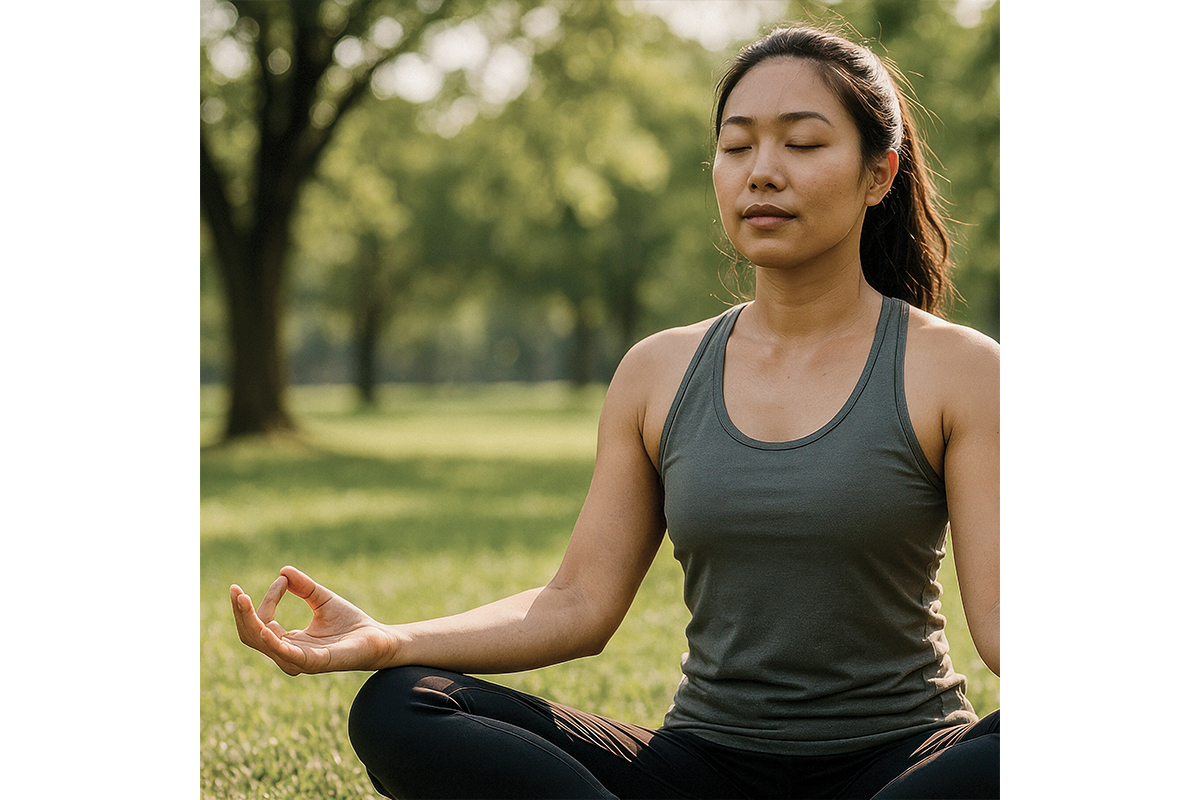
In Nepal, yoga offers both cultural familiarity and measurable respiratory benefits. Controlled breathing techniques such as pranayama can improve lung expansion, breathing efficiency, and stress regulation. This is particularly relevant because stress and anxiety often exacerbate respiratory symptoms. For individuals recovering from respiratory illness or managing asthma, yoga can provide low-impact conditioning with meaningful long-term benefits.
Aerobic Conditioning
Moderate aerobic activities like cycling, light jogging, dancing or home cardio workouts can help train the body to use oxygen more efficiently. Over time, aerobic fitness improves stamina while reducing breathlessness during daily activity. Indoor aerobic exercise is increasingly becoming the safer option during periods of severe pollution.
Swimming
Among the most effective lung-strengthening exercises, swimming combines cardiovascular conditioning with breath control. The resistance created by water naturally trains respiratory muscles and can significantly improve lung capacity over time.
Exercising Smarter in Polluted Environments
In high-pollution regions such as Kathmandu Valley, fitness routines must adapt to environmental realities. Health experts increasingly recommend monitoring the Air Quality Index (AQI) before outdoor activity. On hazardous days, indoor workouts may be the healthier choice.
Other practical strategies include:
• Avoid exercising near heavy traffic corridors or construction zones.
• Use high-filtration masks during severe pollution episodes.
• Stay hydrated to support respiratory function.
Prioritize consistency over intensity.
• Seek medical guidance if experiencing persistent shortness of breath, wheezing, or chest discomfort.
Today, individual health resilience matters more than ever where exercise is no longer simply about fitness or aesthetics but increasingly becoming an essential investment in respiratory survival.

-1789369889.jpg)
-1784804683.jpg)
-1782898143.jpg)