Qatar PM in Oman to prepare for talks between Gulf, Iran on Hormuz

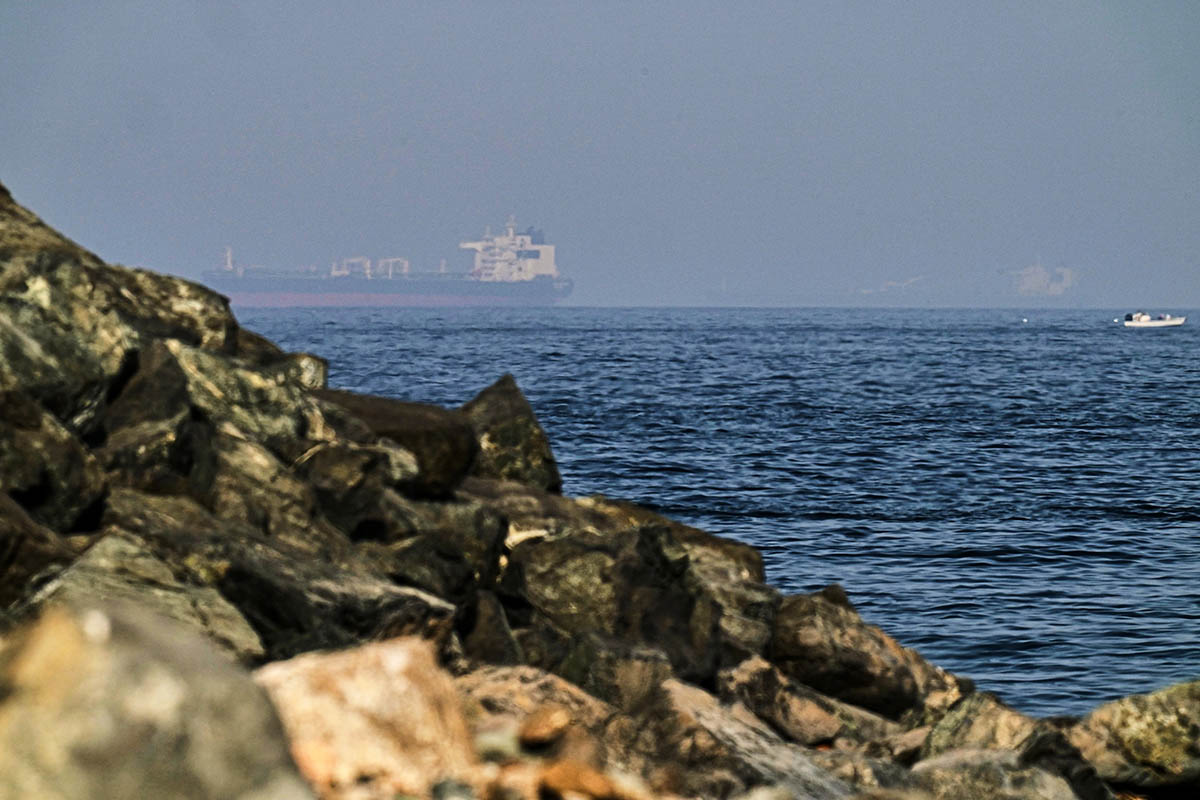
DUBAI: Qatar's Prime Minister Sheikh Mohammed bin Abdulrahman Al Thani travelled to Oman on Wednesday to initiate talks between the Gulf states, Iraq and Iran on the Strait of Hormuz, a diplomat briefed on the discussions told AFP.
"The Qatari prime minister travelled to Muscat in preparation for talks between Iran, the Gulf nations and Iraq on the operation of the Strait of Hormuz," the diplomat told AFP, saying the discussions were separate from US-Iran negotiations.
A separate summit was also expected between the Gulf countries and potentially with other regional neighbours, with Iran to mend ties in Saudi Arabia.
The Strait of Hormuz, through which roughly 20% of the world's crude oil and liquefied natural gas normally transits, was closed by Iran after it came under fire from the United States and Israel at the end of February.
But Iran has lifted its blockade as part of an accord signed with the US last week, which extended an ongoing ceasefire by 60 days and set in place a Memorandum of Understanding aimed at permanently ending the war.
Under the 14-point MOU, Iran and Oman, which border Hormuz, must hold talks "to define the future administration and maritime services" in the key waterway with other Gulf states.
The diplomat explained Gulf countries would push for freedom of navigation through the strait and no imposition of fees for transit, while Iran was expected to ask for an environmental and security service fee for crossing the vital waterway.
Pakistan, which has mediated US-Iran talks alongside Qatar, was also expected to be involved in the regional Hormuz discussions.
The separate talks on reconciliation between Gulf countries and Iran expected in Riyadh could also include other regional neighbours, the diplomat said, without specifying a date for the summit.
HA Hellyer of London's Royal United Services Institute said the potential reconciliation talks "don't represent a reassessment of Iran from the perspective of the Gulf Arab states; they represent a reassessment of what they can expect from the United States going forward".
Instead the Middle East expert said the Gulf states would be looking for a "manageable" way of coexisting "given how unreliable Washington is, and with an Israel that is trying hard to impose its own regional paramountcy project".
On Tuesday, Iran and Oman said they will study the costs to be charged for services provided in administering the Strait of Hormuz, insisting they held sovereignty over their territorial waters in the strait.
Oman's state news agency reported Sheikh Mohammed met with Oman's Sultan Haitham bin Tariq Al Said on Wednesday and the pair discussed the latest developments on Iran negotiations.
By RSS/AFP

US import ban on Canadian alcohol, other products comes into effect
September 29, 2026