US renews blockade, trades strikes with Iran over Hormuz strait

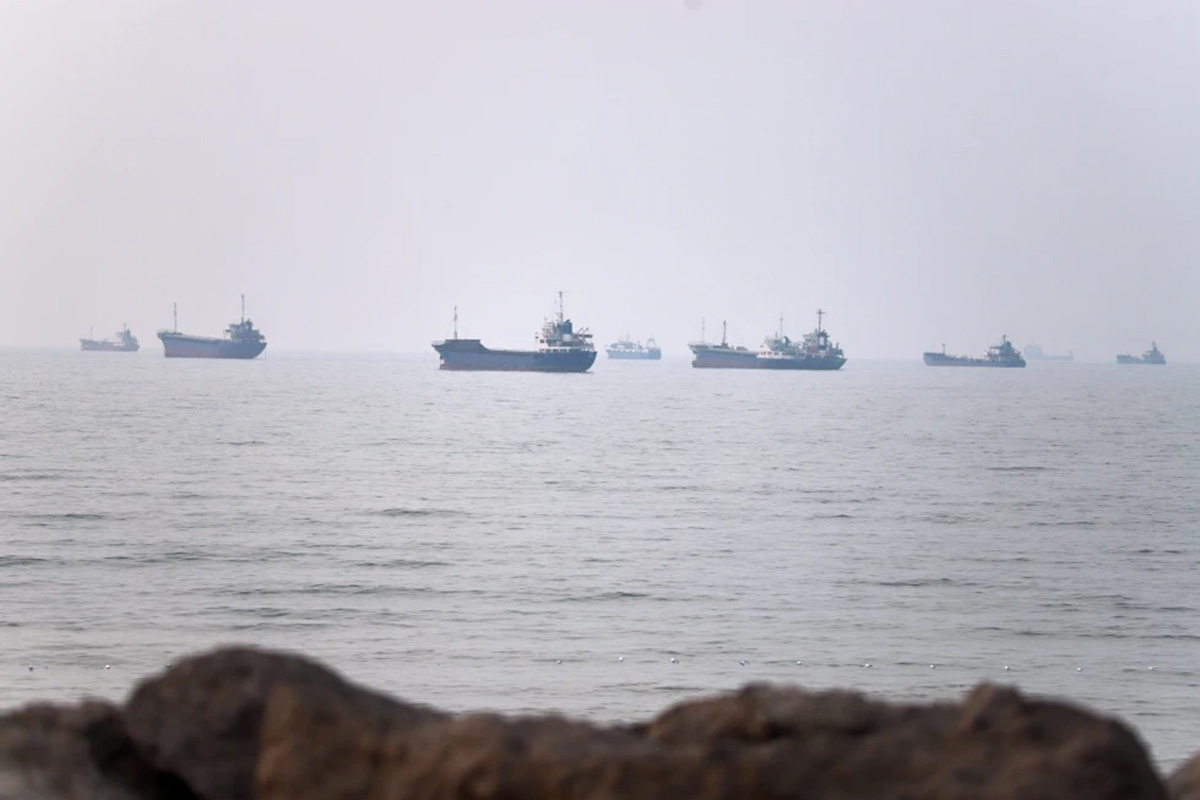
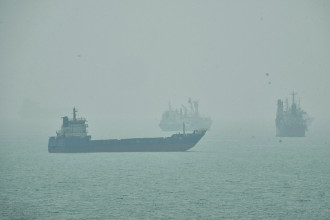
TEHRAN: US forces struck targets in Iran and reimposed a naval blockade on its ports as Tehran hit Washington's Gulf allies on Wednesday, vowing the Strait of Hormuz would remain closed "until the US ends its aggression".
The strikes came hours after US President Donald Trump abandoned a planned 20% levy on ships using the strait, which lies at the centre of a flare‑up that has rattled the Middle East and pushed up global energy prices.
Tehran says it controls the key oil shipping corridor, which was open to free navigation before US‑Israeli attacks in late February sparked the conflict.
Iran's Revolutionary Guards said the renewed US blockade had cut off oil and gas exports to the world, including "America's economic rivals", and warned that routes serving US and allied interests could also be shut. "Oil and gas exports from the region will either be available for everyone or for no one," the Guards said.
Deputy Foreign Minister Kazem Gharibabadi said the US decision to restore the blockade "has, in a way, dismantled the Islamabad memorandum", referring to the interim deal reached last month to halt hostilities and pursue peace talks.
In a flare‑up that entered its fifth day, US Central Command (CENTCOM) said it struck dozens of Iranian military targets near the strait and elsewhere along the country's coast to "degrade Iran's ability to threaten commercial shipping and civilian crews".
Iranian state media reported explosions near the port city of Bandar Abbas, on the island of Qeshm and at Bandar Imam Khomeini. Sirens sounded in Bahrain soon after the strikes, while Kuwait and Jordan reported intercepting drones and missiles fired from Iran.
State news agency IRNA reported that Iranian forces launched a drone attack on a military base in Jordan that hosts American warplanes, and that the Guards had hit US facilities in Bahrain and Kuwait.
President Trump warned he would widen the strikes next week to hit power plants and bridges if Tehran does not return to the negotiating table. "Next week it gets really bad for them," he told Fox News.
Since the conflict began, Iran has asserted control over the Strait of Hormuz and opened fire on ships it says are taking unauthorised routes. Tehran's strikes on vessels in the strait have prompted US retaliation, and the tit‑for‑tat violence has sent crude prices up by more than 10% since last week.
Admiral Brad Cooper, head of CENTCOM, said Iran had "intentionally targeted civilians across the region by attacking seven commercial ships resulting in nearly a dozen civilian crew members killed, missing, or injured". "US forces are holding Iran accountable for unwarranted aggression that continues to endanger innocent lives," he added.
A Norwegian tanker was hit by an explosion caused by an unidentified device off the Omani coast early on Tuesday, the crisis response company MTI Network said. Kuwait said one of its naval vessels was struck during an Iranian missile and drone barrage, wounding four crew members.
Mr Trump said he was scrapping the planned levy on ships passing through the Strait of Hormuz, replacing the fee with trade deals with Gulf allies. "I have decided to replace the 20% United States Reimbursement Fee with Trade and Investment Deals that the various Gulf States will be making into the United States," he said on his Truth Social network.
Since last week, renewed US attacks have killed at least 28 people in Iran, according to an AFP tally based on Iranian media and official announcements.
Israeli Prime Minister Benjamin Netanyahu warned Iranian leaders that Israel would respond decisively if attacked. Speaking from Dimona, he said: "Do not count on things remaining quiet if you attack us. The days are over when someone strikes us and we don't hit back with a decisive blow."
By RSS/AFP