China signals US could restore preferential trade privileges for Hong Kong

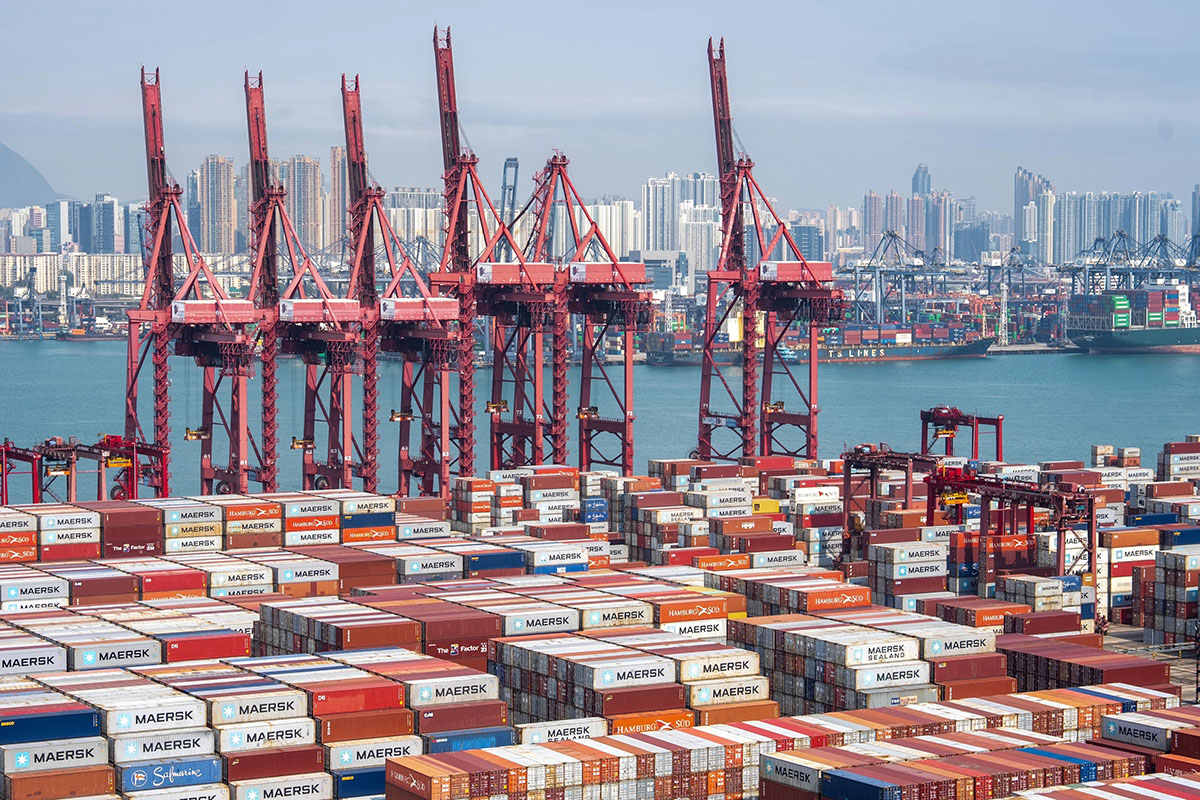
HONG KONG: China signalled on Friday that the United States could restore Hong Kong’s preferential privileges after Washington confirmed it will not renew an executive order that revoked the city’s special trading status.
The Commerce Ministry said the US made commitments on Hong Kong and other matters during US‑China trade talks in Madrid last year. The US recently confirmed to China that the President’s Executive Order on Hong Kong Normalisation would end, the ministry said in a statement responding to media questions.
“The US side’s actions represent an important step in fulfilling the consensus reached during the bilateral economic and trade talks. China appreciates it,” the ministry said.
It is not immediately clear what all the implications of the decision are. The White House referred questions about the executive order lapsing to the Treasury Department.
The US Office of Foreign Assets Control said in a statement on Friday that the national emergency declared in the executive order had expired and that it had delisted people who were sanctioned. It added that people who remain sanctioned under another act related to Hong Kong have been added to a different sanctions list.
The statement showed Hong Kong leader John Lee and his predecessor, Carrie Lam, were removed from the first list but added to the second.
The US decision came two months after President Donald Trump met his counterpart Xi Jinping in Beijing. It could warm ties between the two ahead of Xi’s expected visit to the US later this year. Earlier this month, a pastor of a prominent underground church who was detained in China in October was released after Trump raised his case with Xi.
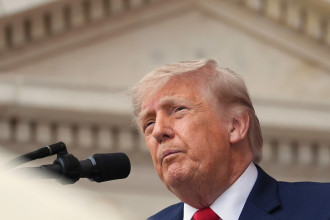
Trump signed the now‑expired executive order in July 2020, during his first term, in response to Beijing imposing a national security law that year. The order was last renewed for a year in July 2025.
Under the order, Trump said Hong Kong was no longer sufficiently autonomous to justify differential treatment from mainland China under certain laws. It removed preferential treatment for Hong Kong to the extent permitted by law and in the national security, foreign policy and economic interests of the United States.
China says the national security law for Hong Kong was necessary to restore stability in the city after massive anti‑government protests in 2019. The pro‑democracy movement then posed one of the biggest challenges to the Communist Party in Beijing and the Hong Kong government since the former British colony returned to Chinese rule in 1997.
Six years after the law’s introduction, many leading activists, including pro‑democracy former media tycoon Jimmy Lai, have been imprisoned under it. Critics say the Western‑style civil liberties that Beijing promised to maintain for 50 years after the handover have all but disappeared.
The Hong Kong government said in a statement that it noted the “positive shift in the US policy” towards the city.
“Safeguarding Hong Kong’s prosperity and stability serves the common interests of China and the US, and also aligns with the general expectation of the international community,” it said.
It added that it hopes the US will respect China’s sovereignty and the rule of law in Hong Kong and resume normal economic and trade exchanges with the city.
By RSS/AP