Trump confirms resumption of talks with Iran, Strait of Hormuz deal nears

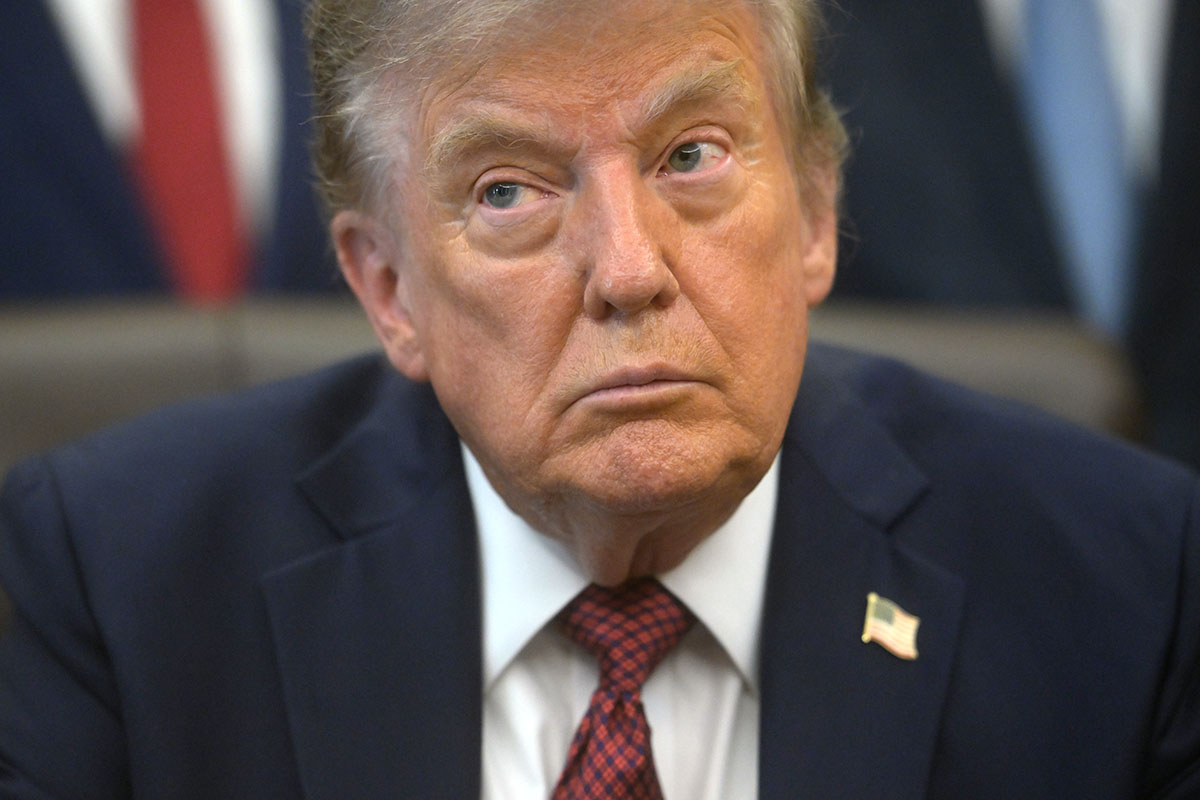
WASHINGTON/TEHRAN: US President Donald Trump said on Sunday that negotiations with Iran will resume on Monday afternoon, while Tehran said that an agreement with Oman on a new shipping route through the Strait of Hormuz was nearing completion.
Talks To Resume
Trump announced on Sunday that talks with Iranian representatives would begin on Monday afternoon. He did not say where the talks would be held, or who would participate.
The announcement came after days of heightened rhetoric and renewed diplomatic efforts. Trump had warned of further military action against Iran before agreeing to allow more time for negotiations, while Gulf states including Saudi Arabia called for dialogue to prevent further escalation in the region.
In a social‑media post, Trump said the proposed agreement would include the "Immediate, Complete and Total" reopening of the Strait of Hormuz and address concerns over Iran's nuclear programme.
Tehran, however, has not confirmed that negotiations with the United States are imminent. Iran's Foreign Ministry spokesman Esmaeil Baghaei denied on Monday that his country is currently engaged in talks with Washington.
Earlier, Iranian officials rejected Trump's claim that Iran had asked the United States to cancel planned strikes.
Iranian President Masoud Pezeshkian said on Sunday that the existing framework agreement with the United States could provide a basis for future engagement with Washington.
Many observers have questioned whether the latest diplomatic push will produce a lasting agreement.
Vali Nasr, an Iran expert at Johns Hopkins University, said there was "no clear path" for Trump to achieve his goals.
"He (Trump) is trying his hand now at a diplomatic solution to avoid military escalation. But there's no clear path, either diplomatically or militarily, to get Trump to a place where he can declare victory," Nasr said.
The announcement came with no reported phone call between Trump and Israeli Prime Minister Benjamin Netanyahu, who has been among the strongest advocates of maintaining pressure on Iran.
Israel has continued to stress that any agreement must prevent Iran from advancing its nuclear programme and ballistic missile capabilities. Israeli Energy Minister Eli Cohen said that "with or without an agreement," Israel would take action if Iran sought to advance such efforts.
Hormuz Route Talks
Meanwhile, Iran and Oman have moved closer to an agreement on a new route through the Strait of Hormuz.
Iranian Foreign Minister Abbas Araghchi said negotiations with Oman on a mechanism for ships to transit the waterway were "nearing completion and in their final stages," according to Iranian state media.
Baghaei, the Iranian Foreign Ministry spokesperson, said Iran and Oman were working towards an understanding on a route acceptable to both parties, one that would respect sovereignty and safeguard national interests and security.
He stressed that the arrangement would not mean the immediate reopening of the Strait of Hormuz, where disputes over navigation arrangements remain unresolved.
The waterway has been at the centre of the conflict, with Washington calling for free international navigation while Tehran has insisted on maintaining a role in managing passage through the strategic route.
Regional countries, including Oman, Qatar and Saudi Arabia, have continued efforts to reduce tensions and facilitate an agreement between Washington and Tehran.
By RSS/Xinhua