
Consumer price inflation rises to 5.96 pc in mid-August: NRB
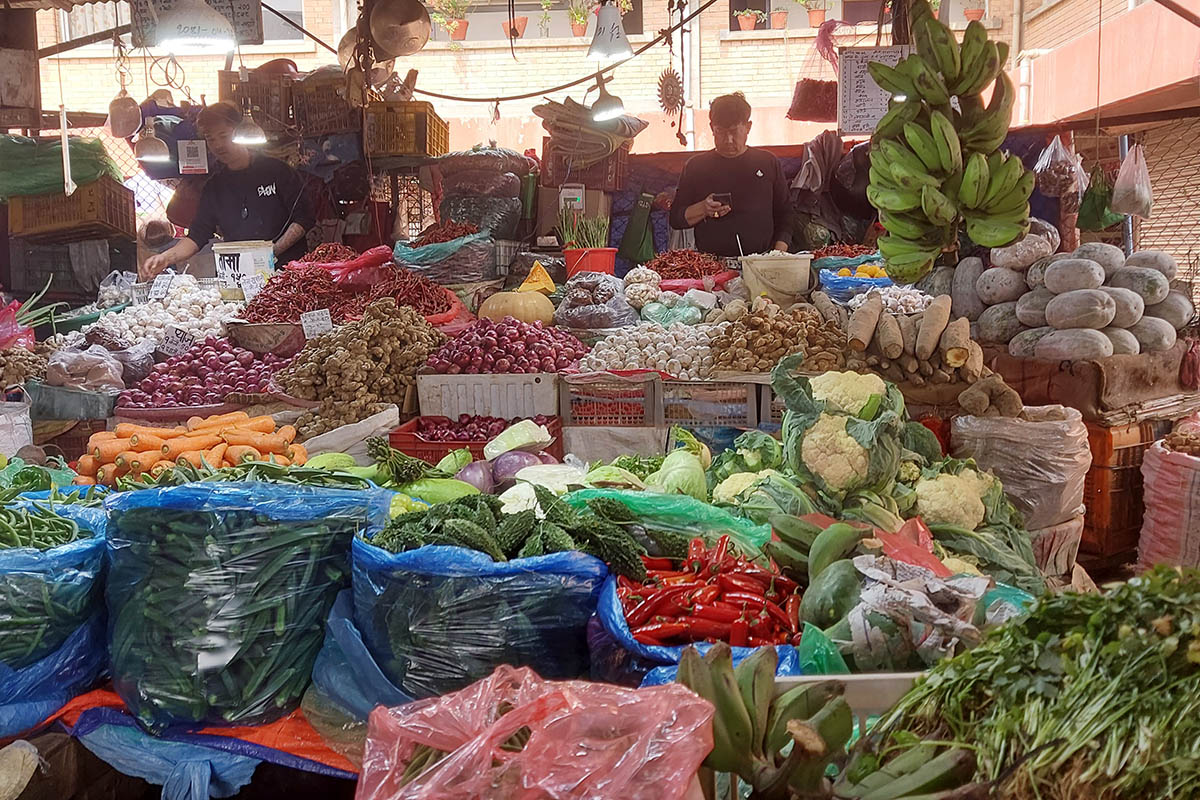
KATHMANDU: Consumer price inflation rose to 5.96% in mid-August 2026 from 1.68% a year earlier, according to Nepal Rastra Bank (NRB). The increase reflected growing price pressures across essential food items and key service sectors at the start of the fiscal year2026/27.
According to the latest macroeconomic report released by the central bank on Friday, food and beverage inflation stood at 6.77% in the review month, reversing a price decline of 2.28% recorded a year earlier. Inflation in the non-food and services category also increased to 5.52% from 3.95% in the corresponding period of the previous year.
At the wholesale level, overall inflation accelerated to 8.27% in mid-August 2026 from 2.37% a year earlier. While the wholesale price index for consumption goods contracted slightly by 0.05%, the indices for intermediate goods and capital goods rose by 13.62% and 6.45%, respectively. Construction materials recorded a wholesale price increase of 4.89%.
Within the food category, prices of ghee and oil recorded the steepest increase of 15.62%, followed by fruit at 15.39%, meat and fish at 8.65%, vegetables at 6.90%, and spices at 4.80%.
Among non-food items, transport costs increased by 13.17%, while prices of alcoholic drinks rose by 7.20%, clothing and footwear by 5.52%, and tobacco products by 4.97%.
Inflation was higher in rural areas at 6.18%, compared with 5.88% in urban areas. Provincial data showed that Madhesh Province recorded the highest inflation rate at 6.94%, while Sudurpashchim Province recorded the lowest at 4.61%.
By geographical region, consumer price inflation in the Tarai stood at 6.64%, followed by the Hill region at 5.95%, the Mountain region at 5.10%, and the Kathmandu Valley at 4.81%.
Nepal’s consumer price inflation in mid-August was also higher than that of neighbouring India, where consumer price inflation stood at 4.82% in August 2026.
-1789922568.jpeg)

-1789916217.jpeg)