World economy faces risks from inflation, debt and AI investment, IMF chief says

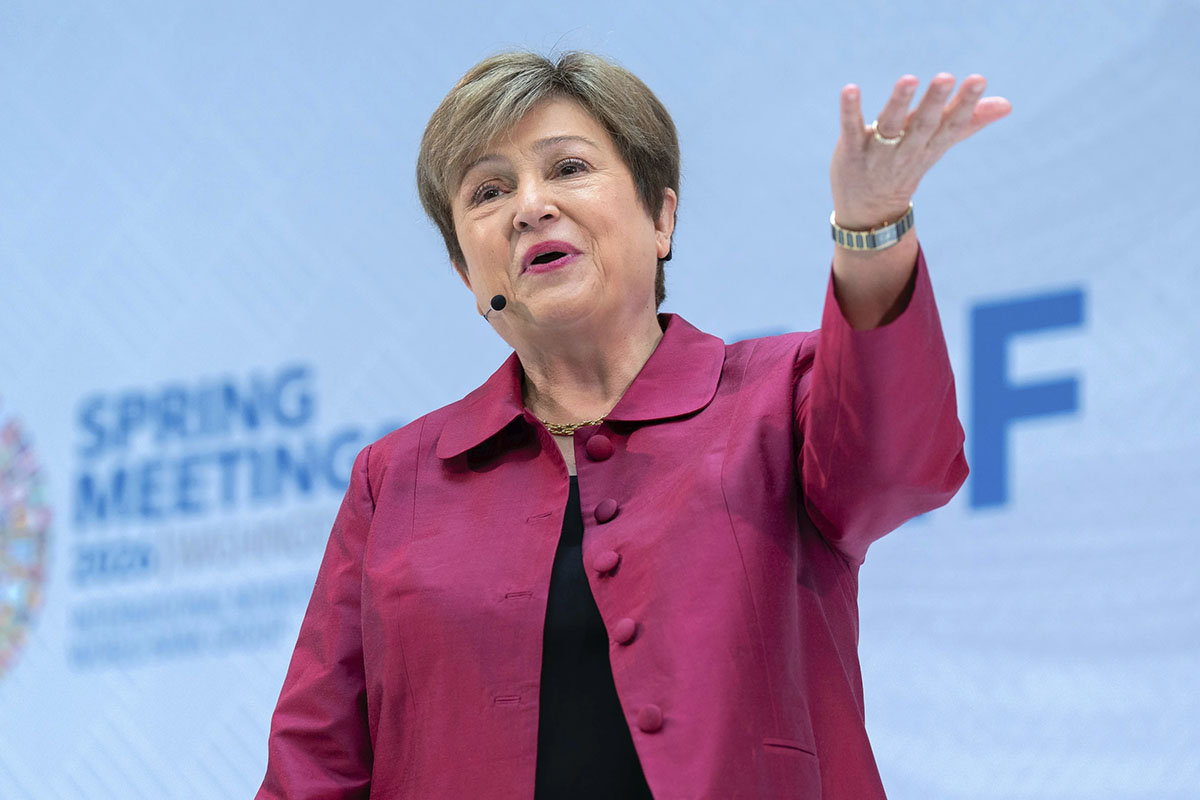
XINHUA: The world economy faces risks from stubborn inflation, higher debt-service costs and artificial intelligence (AI) investment, though it has proven more resilient than many feared, according to Kristalina Georgieva, managing director of the International Monetary Fund (IMF).
Speaking in a dialogue at a special edition of the Qatar Economic Forum in New York on Sunday, Georgieva said, "Inflation is stubborn. We are not anticipating a quick resolution. And that means that many central banks have to tighten."
Georgieva noted that the fight to secure price stability has also increased the cost and difficulty of debt service. "There is a lot of understanding of the necessity of fiscal consolidation, but not enough action," she added.
Moreover, Georgieva highlighted the potential risks from leverage and circular financing in AI investment, saying this is "something that we have to be mindful of."
"If AI disappoints, because we have these high expectations, if they don't materialise, disappointment may lead to potentially a shock to the system," Georgieva warned.
Risk in AI financing is "primarily concentrated in the United States", while many other players in Asia and Europe are part of the AI supply chain, Georgieva added.
The IMF's new projection on the world economy, to be released in October, will reflect the fact that risks remain high, according to Georgieva.
"Having growth that hovers around 3% is a massive achievement, given all the shocks we have been experiencing," she said.
Georgieva said she saw optimism in the remarkable, rapid action taken when it was necessary to counter the energy supply shock.
"While there is a lot of talk about a fragmented world, and indeed it is less unified, it is still a world in which we are interdependent, and we cooperate," Georgieva said.
"We have to be careful and cautious. The risks are high and uncertainty is the new normal," she added.
By RSS/Xinhua