UNDP launches two global initiatives to boost investment, create jobs

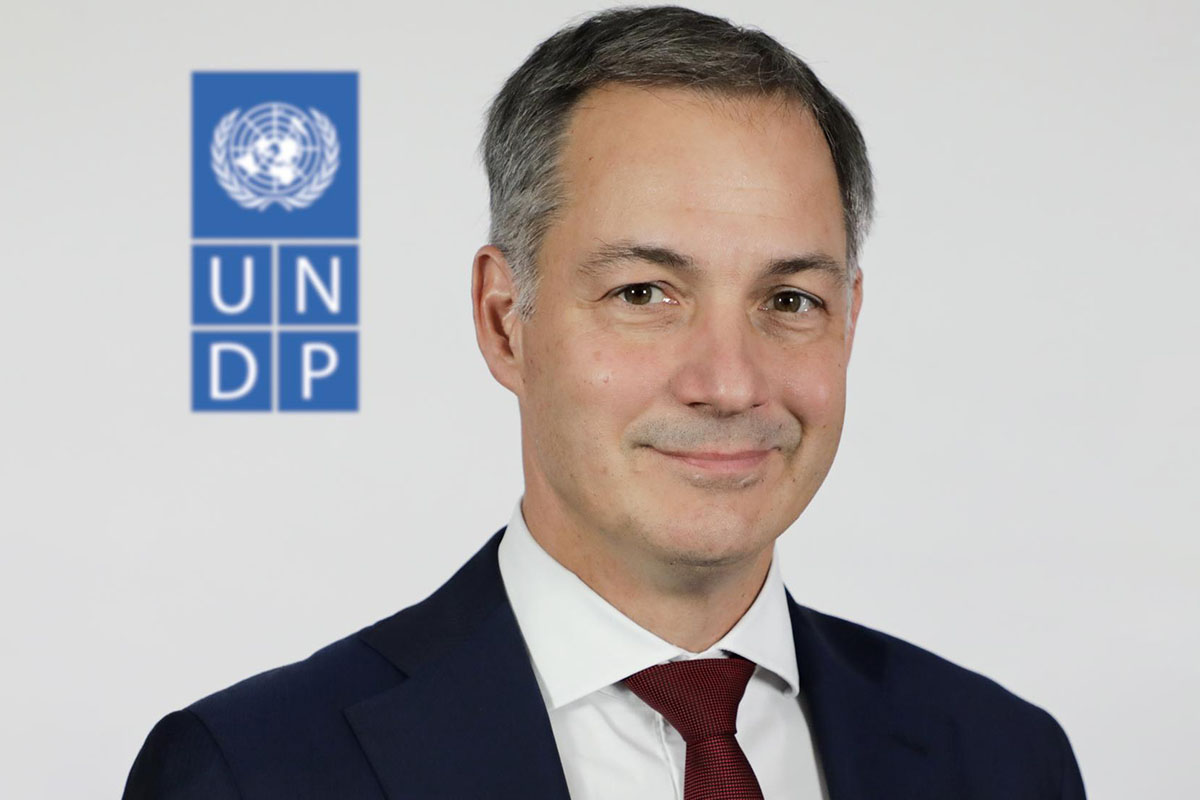
NEW YORK: The United Nations Development Programme (UNDP) has launched two global initiatives to attract investment and expand employment opportunities, warning that 800 million young people could face a lack of jobs over the next 15 years unless countries take decisive action.
Announced by UNDP Administrator Alexander De Croo during the IMF-World Bank Group Annual Meetings in Bangkok, the Investment Accelerator and the Jobs for Prosperity Facility aim to help developing economies mobilise investment, strengthen their business environments and create more jobs.
The Investment Accelerator will help governments strengthen investment policies and legal frameworks, develop pipelines of investment-ready projects and move them from preparation to implementation.
The Jobs for Prosperity Facility, meanwhile, will help countries identify sectors with the greatest potential for job creation, align workforce skills with employers' needs and address barriers to business investment and hiring, according to UNDP.
Speaking at a press briefing, De Croo warned of the scale of the employment challenge, saying: "If you look at the next 15 years, there will be 1.2 billion young people graduating from school, going into the labour market."
"Unfortunately, for only 400 million of these, there will be jobs. For 800 million of these, there will not be jobs," he said.
De Croo stressed that the employment gap would not close on its own, saying: "That is not going to go by itself. This is the result of policy."
He emphasised the need for governments to pursue active labour-market policies, identify industries capable of generating employment despite technological advances and mobilise the financing needed to support job creation.
"Job creation is actually the only real sustainable way for people to grow out of poverty," he said.
Turning to the broader economic outlook, De Croo said the global economy had proved more resilient than expected, but warned that its resilience was unevenly distributed. While some countries retained strong economic fundamentals and benefited from productivity gains linked to artificial intelligence, many developing economies were struggling to withstand mounting pressures.
He cited three converging challenges facing developing countries: high energy costs, the El Niño phenomenon and elevated borrowing costs.
De Croo also highlighted a UNDP report released earlier this week, titled No Time to Recover: Mounting Crises, Eroding Fiscal Buffers and the Implications for Developing Economies. The report found that the median developing country was spending 9.5% of its total government revenue on interest payments alone, underscoring the growing strain on public finances.
He further pointed to the latest findings of the Multidimensional Poverty Index, developed by UNDP and the Oxford Poverty and Human Development Initiative at the University of Oxford, which showed that the number of people living in multidimensional poverty had risen worldwide for the first time since 2010.
"Those numbers should absolutely be a wake-up call to all of us," De Croo said.
By RSS/QNA