South Asia’s working-age population to peak within a decade, World Bank warns

- Region has a narrowing window to turn demographic change into opportunity as ageing accelerates, and jobs and pension challenges persist
DHAKA: South Asia’s working-age population is expected to peak within the next decade before beginning to decline, according to a new World Bank report released on Tuesday. The shift is expected to narrow the region’s opportunity to benefit from its demographic advantage.
The report, ‘Demographic Change in South Asia: From Tailwinds to Headwinds for Development’, states that South Asia currently has 1.17 billion people of working age. By 2049, however, the region is projected to become an aged economy, with 14% of its population aged 65 and above.
The World Bank said South Asia is ageing more rapidly and at lower income levels than many comparable emerging and developing economies. While the average developing economy takes 32 years to move from an ageing to an aged population, South Asia is expected to complete the transition in 25 years. As a result, the annual contribution of demographic factors to GDP growth is projected to fall to 0.1% by 2050.
“South Asian economies are aging faster and earlier in their development journeys,” said Johannes Zutt, World Bank Vice President for South Asia. “They need to act now to adopt policies and build infrastructure that create more and better jobs and deepen the gains from their ‘youth dividend’, while at the same time preparing for aging. This will enable South Asia to make the most of its large working-age population and lay the foundations for a ‘second dividend’ as healthier older people continue contributing to the economy.”
According to the report, demographic changes have supported economic growth over the past two decades. Since 2000, a rising share of adults in their prime working years has contributed 0.4% annually to the region’s gross domestic product (GDP) growth and increased labour productivity by 1.1% a year.
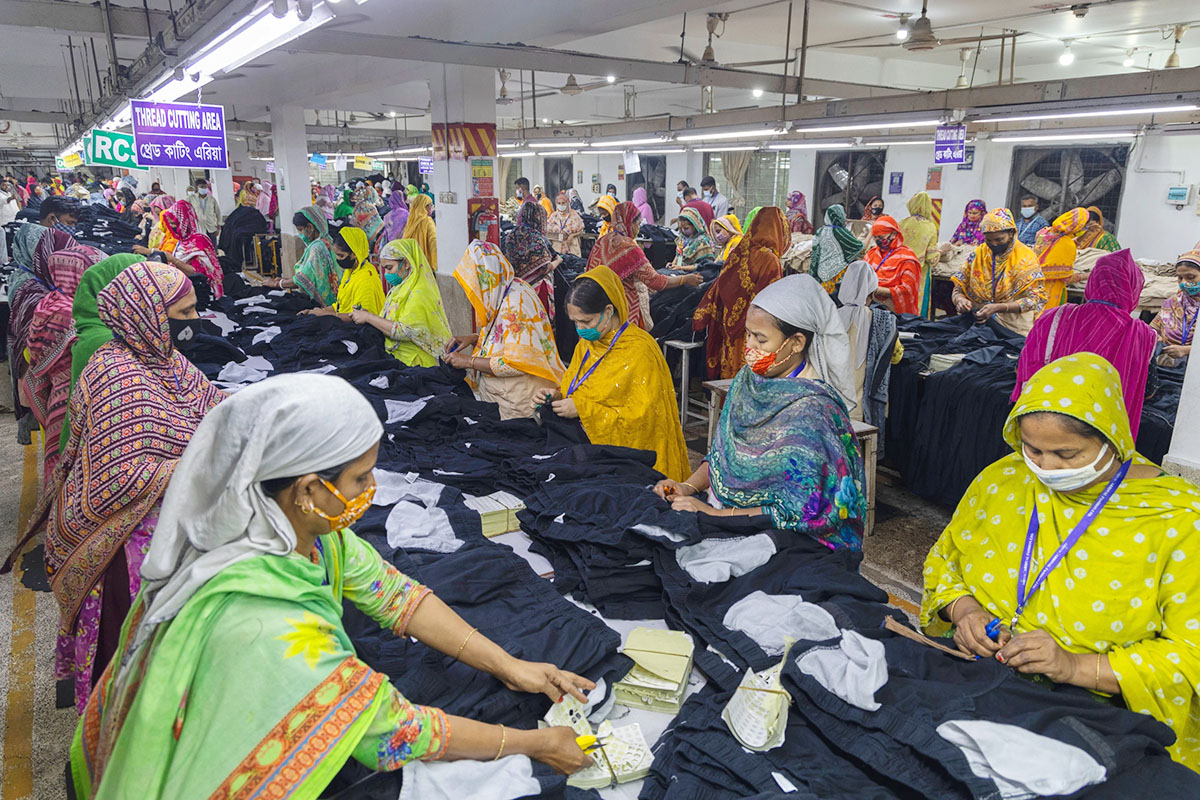
The report highlights a significant jobs challenge. Only 60% of South Asia’s working-age population is employed, while 88% of employed workers are in informal jobs, which typically offer lower earnings and less job security.
The World Bank warned that without healthier and more skilled workers, stronger social protection systems and better-paying jobs, the region could miss the economic benefits of its demographic profile.
The report also points to gaps in healthcare, long-term care and pension systems as populations age. Only 17% of the working-age population contributes to a pension scheme, while just 10% of older people receive pension benefits, the lowest coverage rate globally.
To address these challenges, the report recommends creating more productive jobs, improving access to finance for micro, small and medium-sized enterprises (MSMEs), streamlining regulations, strengthening health and education systems, improving skills, and removing barriers to women’s employment.
It also calls for stronger healthcare, long-term care and pension systems, alongside higher savings and investment, to support ageing populations and sustain productivity growth.