Nepal Cannot Save Its Way To Prosperity

- Public debt is rising, but Nepal’s bigger risk may be failing to invest in its economic future
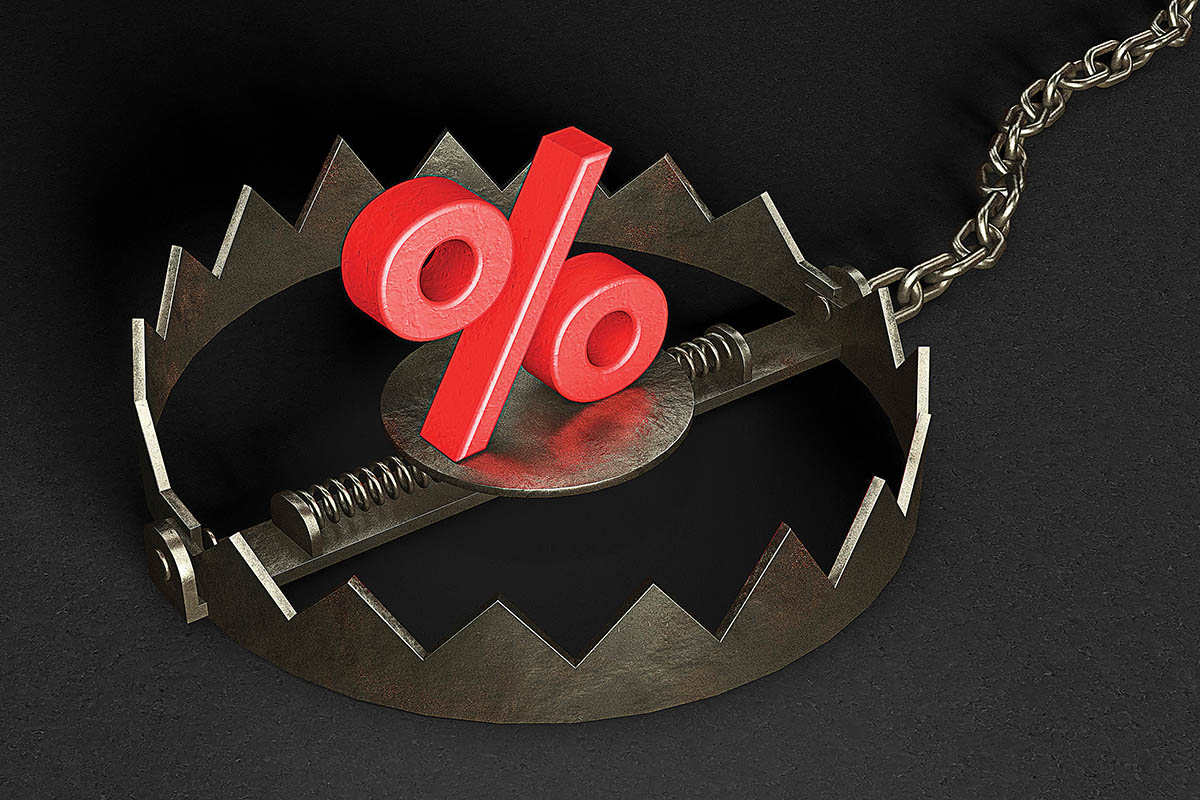
Nepal’s public debt is approaching Rs three lakh crore, nearly five times what it was a decade ago. Headlines warn of debt traps, mounting repayments and the burden being passed to future generations. The instinctive response is to borrow less and tighten government spending.
But is Nepal really in a debt crisis? And is borrowing less what the country needs?
Is Nepal’s debt actually a problem?
Three questions help determine whether a country’s debt is dangerous: how much it owes, how comfortably it can repay, and whether it has enough foreign currency to meet its international obligations.
First, the size of the debt. Nepal’s public debt is around 47% of GDP. For comparison, India’s government debt is around 80%, while Japan’s exceeds 200%. These economies are not directly comparable, but the figures illustrate why debt-to-GDP alone cannot determine whether a country is in financial trouble.
Second, the cost of repayment. Nepal benefits from relatively cheap borrowing. Much of its foreign debt comes from institutions such as the World Bank and Asian Development Bank, with average interest rates of approximately 1.3% and repayment periods averaging 32 years.
Domestic debt is more challenging, with higher interest rates and shorter maturities. Last year, Nepal spent around Rs 39,000 crores servicing debt, equivalent to nearly one-third of government revenue. However, only about Rs 7,000 crores was interest. Most of the remainder was principal repayment, which governments routinely refinance. This creates financial pressure, but refinancing is not inherently a debt trap.
Third, foreign exchange availability. Countries borrowing in foreign currencies need dollars and other foreign exchange to repay creditors. Sri Lanka’s 2022 default shows the danger of letting reserves collapse and foreign obligations become unmanageable.
Nepal is in a different position. It holds approximately Rs 4 lakh crores in foreign exchange reserves, enough to cover more than 19 months of imports. Remittances provide substantial foreign currency, while most external debt is concessional.
These factors help explain why the International Monetary Fund and World Bank classify Nepal as being at low risk of debt distress. Nepal faces genuine fiscal pressures, particularly from domestic debt, but not an imminent sovereign debt crisis.
The real concern is where we are headed
Over the past decade, Nepal’s debt has risen from roughly 25% to 47% of GDP, driven partly by post-earthquake reconstruction, Covid 19, and government financing needs. Last fiscal year, more than half the Rs 30,000 crores increase in reported debt reflected rupee depreciation rather than net new borrowing.
Nevertheless, domestic debt has grown substantially, increasing refinancing requirements and exposure to future borrowing costs.
More concerning is the economy’s trajectory. Growth was below 4% last year, the government spent less than half its planned capital budget, and millions of Nepalis continue seeking employment abroad.
Meanwhile, these foreign exchange reserves, along with bank deposits above Rs 8 lakh crores, are supported partly by remittances. These are not funds the government can freely spend, but they reflect considerable financial liquidity alongside weak productive investment.
Nepal has become effective at generating financial stability through the earnings of its citizens abroad, without creating comparable economic opportunities for them at home.
The country could continue accumulating reserves and meeting its debt obligations while struggling to build productive industries, attractive jobs, and a stronger tax base.
A country can remain financially solvent without becoming economically prosperous.
The answer cannot simply be to borrow less
With manageable debt and access to concessional financing, Nepal has an opportunity to pursue carefully selected investments that strengthen its future economy. Borrowing cheaply to finance projects with strong economic returns can create prosperity. Borrowing at the same rate for poorly planned or underutilised infrastructure, such as Pokhara’s international airport, can destroy value.
Nepal’s weak project execution makes this distinction critical. But the response should be better investment, not an automatic retreat from ambition.
Singapore built industrial infrastructure and attracted global manufacturers. Dubai invested in aviation, logistics, and hospitality to create new economic opportunities. Neither offers a blueprint that Nepal can copy wholesale, but both illustrate how coordinated public investment can attract private capital.
Consider tourism. Rather than relying primarily on mountains and temples, Nepal could pursue a more ambitious position as a regional leisure and entertainment destination, particularly for the enormous consumer markets of China and India. Public investment in connectivity and shared infrastructure could attract private investment in hospitality, resorts, and entertainment.
Tourism is just one possibility. The point is that Nepal should identify a few promising industries, secure credible private investment, and double down on the infrastructure needed for them to succeed.
Nepal should worry about the debt it leaves future generations. But it should worry just as much about the economic opportunities it fails to create for them.
This is not the time to abandon fiscal discipline. Neither is it the time for economic timidity. Nepal’s greatest danger may not be borrowing too much to build its future but building too little while remaining preoccupied with its debt.