
Culinary Crossroads: Evolution & Resilience in Kathmandu Restaurateurs

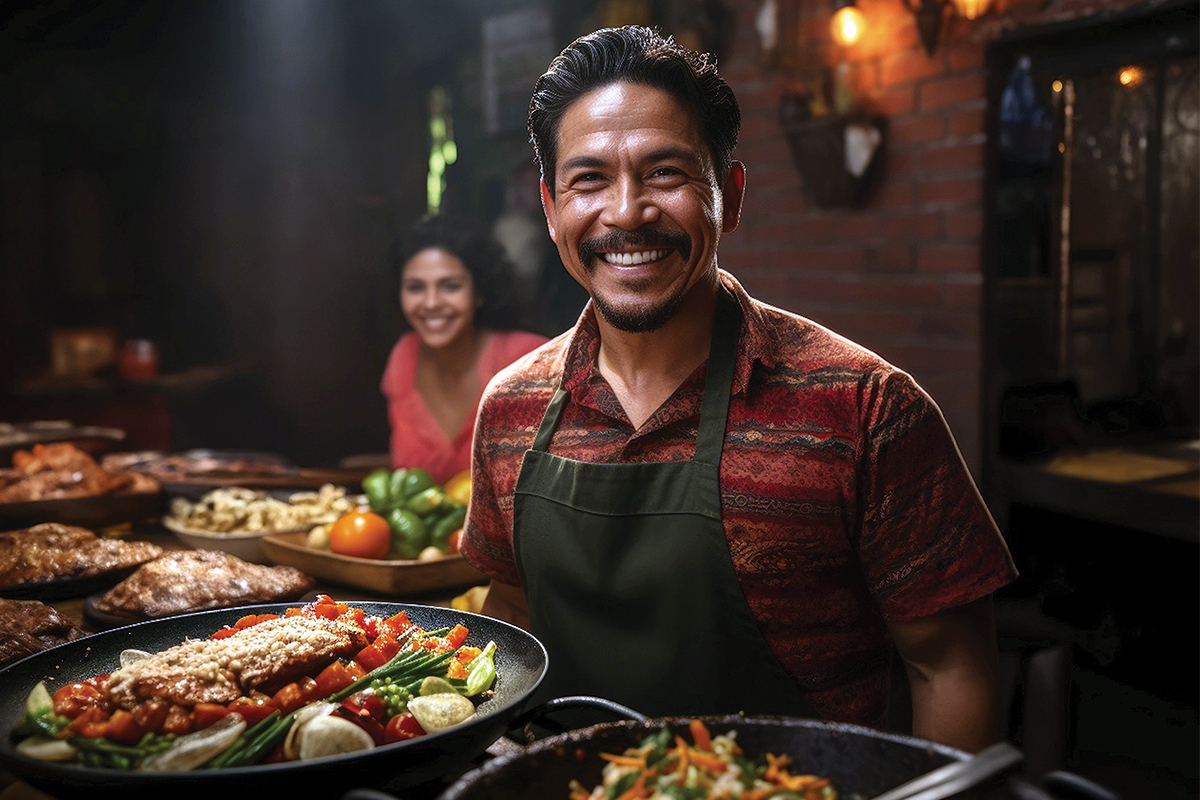
In Kathmandu, the restaurant business is currently experiencing an unprecedented boom with establishments mushrooming in every other street and corner, either dine-in restaurant or a franchise model, or so it seems. The market is also heavily evolving with cloud kitchens and delivery platforms taking up significant space.
Many restaurants are striving to maintain their position while others have successfully cracked the code to staying relevant. But with the country facing daunting economic challenges and inflation, operating in a volatile market puts the restaurant business in a continuous sink-or-swim situation.
Established players like Nanglo and Trisara have developed a business model that works despite market upheavals but many renowned franchises and restaurants, including Tasneem’s Kitchen, have had to pivot to cloud kitchens.
Yet we find new entrants undaunted in the pursuit of business success. Restaurants such as Dewachhen, Banmanche, and Maak Ara are among the few who have found the secret ingredient or rulebook for surviving in the food business in a city like Kathmandu, and they are doing well.
Lets try and find out the secret to why some brands – old and new – endure while other have either had to pivot or close shop.
The enduring legacy of the restaurant pioneers
Nanglo is considered a pioneer in the restaurant business and is firmly established as a strong brand. They not only established the ‘Pub Culture’ but also became the first restaurant in Kathmandu to serve Nepali Thali and Momo. In the 80’s, ‘Dal-Bhat’ meant food eaten only at home, and Momo was supposed to be sold only in a roadside eatery. The restaurant business was viewed as a lowly profession in the 1970s, and owners were positioned at the bottom of the status hierarchy.
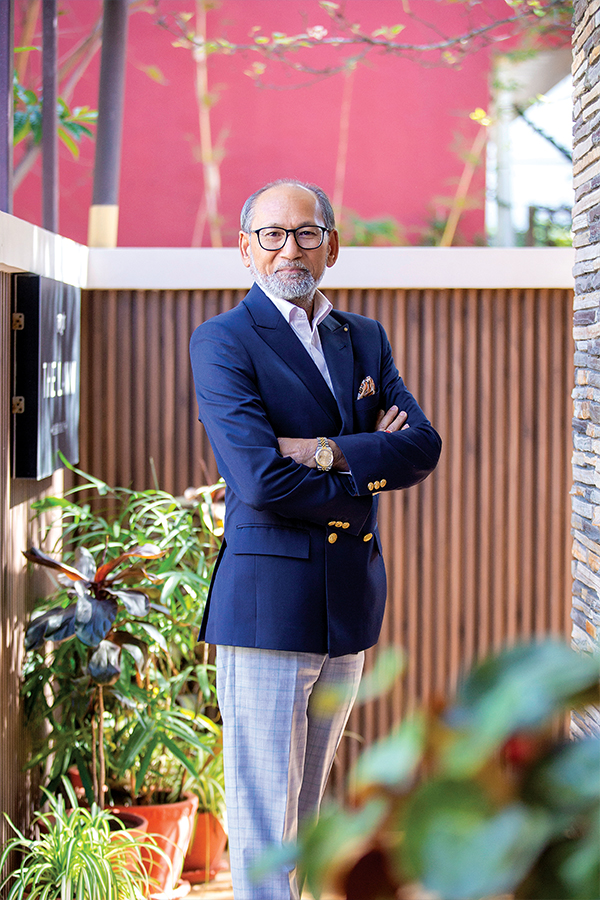
– Gopal Sunder Lal Kakshapati
Founder, Nanglo
Gopal Sunder Lal Kakshapati, the founder of Nanglo, reminisces about his initial days in the restaurant business when ingredients were a scarce resource and restaurant openers were looked down upon. “People would call us ‘Bhanchhe’ and not even interact properly. In those days, food was not something exquisite or social, it was just sustenance. Food as a cultural value came as a realisation much later.”
Nanglo will celebrate its golden jubilee next year.
Trisara - ‘Third Garden of Heaven’ is another strong brand that has adhered to the principle of evolution with consistency since its founding in 2011. It is a brand that is created as a lifestyle space that blends food, music and meaningful social experiences.
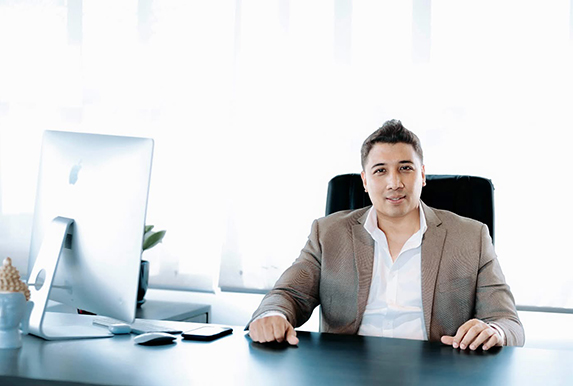
– Sovan Bir Malakar
Founder, Trisara
Founder Sovan Bir Malakar believes Trisara has over the years maintained its signature identity without compromising on quality, quantity and experience. He explains, “Over the years, guests do not just come to Trisara for food. They come for the experience – an open ambiance, live music and genuine hospitality”. He says that it is this emotional connection that has kept the brand relevant and profitable even as dining trends evolve.
Kakshapati says that adapting as per changing times and being affordable are two major factors that have made Nanglo a classic brand and stand out among its competitors. “Dining out was once considered a luxury. Regardless, never make menus expensive and learn to change the ambiance, menus, etc as per the times. Back then, even a bottle of wine was difficult to get hold of,” he reflects. Nanglo now has three other restaurants under its wings including The Lawn at Jhamsikhel.
Trisara too expanded from a single outlet to multiple restaurants and bakery operations with systemization becoming a crucial aspect that allowed the business to thrive. A structured system was introduced featuring centralised procurement, recipe standardisation and kitchen audits to ensure uniformity across all outlets. Malakar says, “We have implemented daily sales tracking, cost centre reporting, and monthly performance reviews to monitor each unit’s efficiency.”
Digitisation has helped Trisara scale effectively through POS integration, real-time inventory tracking, and performance dashboards. “The structured approach ensures that the quality and brand experience remain the same, regardless of whether a guest dines at Trisara inLazimpat or purchases a bakery product from our Bhatbhateni partner outlets,” he elborates.
Malakar further notes that adapting quickly and listening closely to customers has helped Trisara stay a step ahead. A major shift noticed post-pandemic in customer preferences was the desire for more open space, live entertainment, and casual comfort dining rather than formal setups.
Kakshapati also observes a similar pattern of people wanting to socialise more after the pandemic. “People have started socialising and going out more, even if it is just for a coffee. People are scared to be confined to their homes now.”
Regarding success, Malakar considers ‘the team’ to be his brand’s strongest pillar. Many of their senior team members have progressed within the company with some having started as waiters or kitchen assistants and who are now managing entire outlets. Building and retaining a motivated team is difficult in an industry prone to burnout and high turnover. “An open-door policy and family-like culture encourages ideas and celebrates achievements,” states Malakar. He takes immense pride in the number of people who have stayed with Trisara for more than a decade which reflects the work culture and leadership approach.
Kakshapati, who has been in the restaurant business for more than four decades, also boasts about having employees who have been with Nanglo for more than 25 years now. “There was no difference despite the hierarchy. Everyone is valued. But after the 90’s revolution, things have changed. Today, look at the difference in the ecosystem between the hirer and the hiree in any sector. It is difficult to sustain employees now,” he notes.
Ascent of new market favourites
While social media can create awareness and buzz that initially brings customers to the door, it does not guarantee genuine repeat customers. People discover restaurants through reels, photos and word of mouth, but long-term momentum is sustained by the genuine repeat customers who come back because of the experience, share restaurateurs.
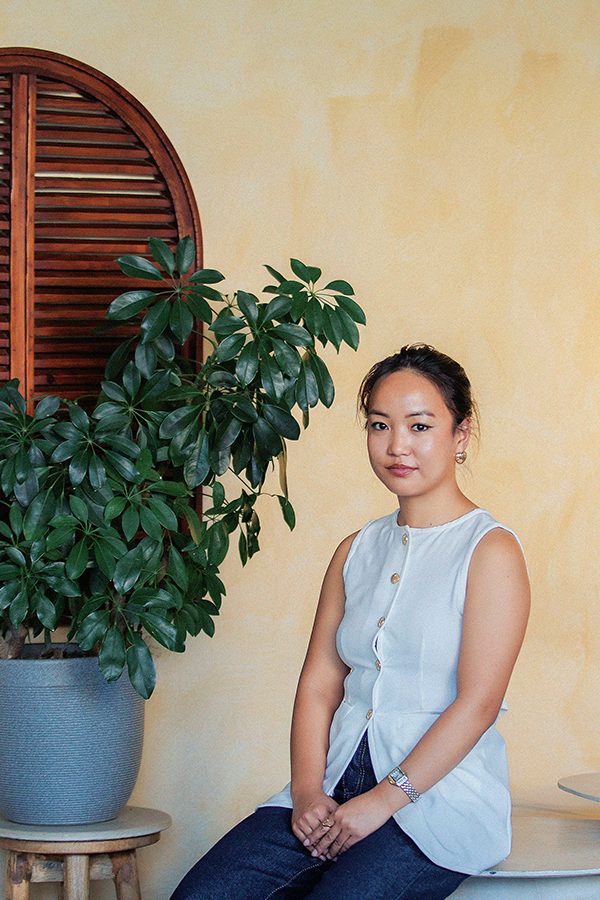
– Ritu Tamang
Founder, Maak Ara
Ritu Tamang, Founder of Maak Ara, her second venture, has an extensive business background. Tamang attributes her success to strong customer experience and strongly believes that guest experience is more impactful than online buzz. She has focused on establishing a foundation that is sustainable rather than flashy. Tamang has maintained cost control by avoiding unnecessary overheads and collaborating closely with local suppliers. This early financial discipline helped the restaurant survive the ups and downs and grow steadily.
''Every element at Maak Ara from menu design to staffing is curated to avoid waste and maximise value,” shares Tamang, adding, “Early profits were reinvested into improving guest experience rather than expanding too early.” According to Tamang, the fundamental goal is to create something that people emotionally connect with and not just a trending place to visit once. She says that trends fade but relationships do not. “For today’s customers, a restaurant is perceived as a lifestyle, somewhere you enjoy food, design and energy together.''
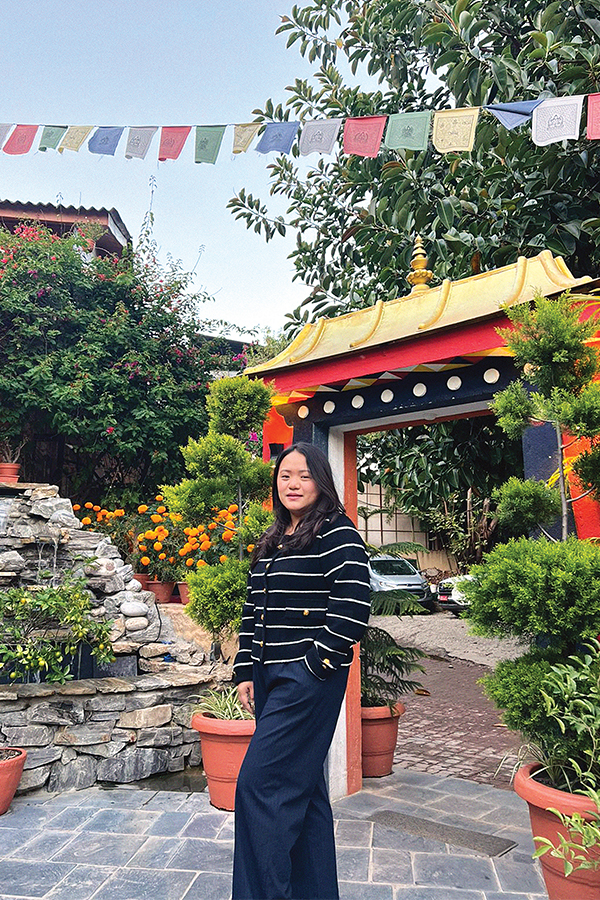
– Tenzing Nyiden
Founder, Dewachhen
Tenzing Nyiden, Founder of Dewachhen in Baluwatar, is an experienced restaurateur, having started ‘Little Tibet’ six years ago. She acknowledges that social media was vital in creating awareness and driving footfall within a short period after opening but agrees that repeat and loyal customers are essential for long-term sustainability. She stresses that it is crucial to turn first-time visitors into loyal customers by consistently delivering the same high quality of food and service. Nyiden also highlights the necessity of a dedicated team for any restaurant’s sustainability.
Banmanche, which offers Himalayan cuisine in Kathmandu, offers a unique background story. Founder Rahul Sheraf explained the concept as paying homage to the moment in the hunting and gathering stage when a piece of meat fell onto a hot stone, sparking a new culinary evolution.
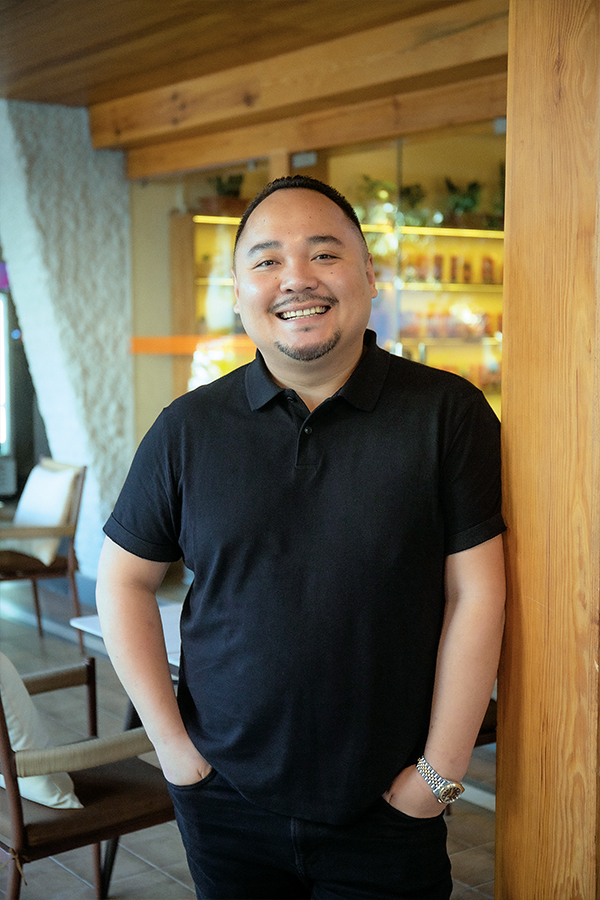
– Rahul Sheraf
Founder, Banmanche
“What began as a passion project has reached a wider customer base through word-of-mouth,” he says. Sheraf notes a prevalent issue in the hospitality industry where operators have been getting away with subpar levels of things. “We use high-quality ingredients imported from different parts of the Himalayan belt,” he says, adding, “For instance, we get our turmeric from Shillong in India for the cocktails.” Sheraf shares that he has collaborated with Nitin Tiwari, a renowned bar consultant in India, to develop cocktails using local Himalayan ingredients and herbs. Consultant chefs were also brought in from different parts of India, and the kitchen was operational for five months before the restaurant’s opening to train locally hired staff.
Sheraf believes that success hinges on tapping into the right market at the right time with the right cuisine. Regarding social media buzz versus genuine returning customers, Sheraf is sceptical of online attributes. “We never know on social media if people have been paid or how believable or misleading the attributes are,” he states. He trusts in-person recommendations more.
Emergence of transformed kitchens
The trend of cloud kitchens has gained traction among entrepreneurs. Cloud kitchens are fundamentally redefining how restaurants think about scale and location in Nepal. Traditionally, location was everything for attracting diners. Now, with the cloud kitchen model, good food and reliable delivery matter more than location.
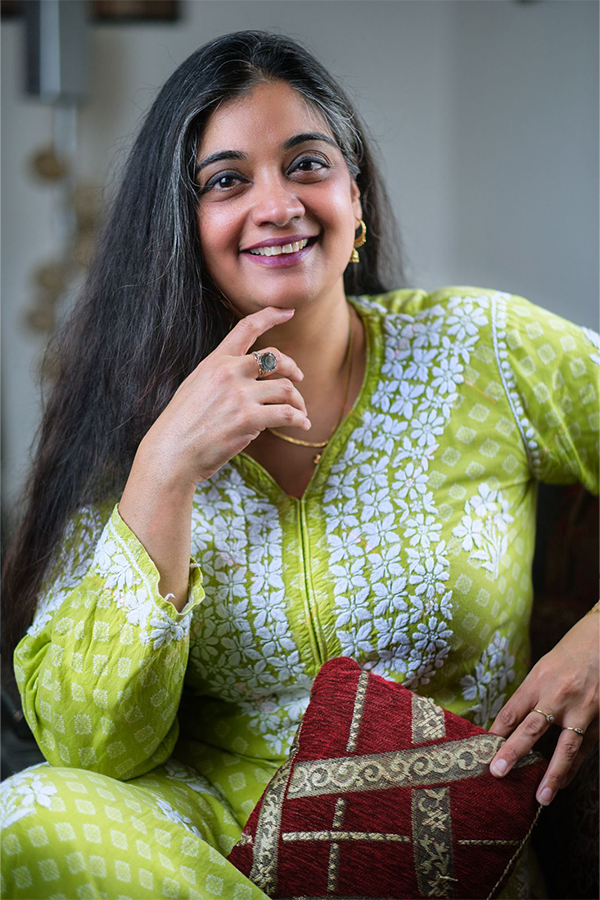
– Tasneem Shahani
Founder, Tasneem’s Kitchen
Tasneem’s Kings Kitchen, previously located in Pulchowk, is an example of a restaurant that transitioned to a cloud kitchen. The decision was driven by an ongoing crisis and economic challenges that led to the closure of the physical outlet, illustrating that sometimes, doing everything right still is not enough. Owner Tasneem Shahani explains that the restaurant’s challenges were never about food or customers. “They were about circumstances beyond my control like the earthquake, pandemic, and later inflation and rising costs,” she shares.
“Every time we started to recover, something unexpected would shake the foundation again. Despite working hard, building loyalty and maintaining quality, the world around us kept changing faster than we could adapt,” explains Shahani.
Restaurants in Kathmandu frequently face issues with market timing, rising costs, and customer fatigue. The increasing costs and unstable economy were the main reasons for the switch. Shahani laments that when ingredient prices go up by 30% and you cannot raise menu prices because people are already struggling, your margins disappear. The rent was particularly difficult, as the landlord requested a 25% increase after ten years, and staffing also became challenging.
Shahani shares, “Looking back, I wish I had made the shift sooner as the cloud-kitchen model allows me to focus on cooking and quality without worrying about décor, large staff, or heavy rent.” She now manages a smaller kitchen with a few trusted helpers which is far more manageable. Customers continue to enjoy their Bohri cuisine, now delivered to the comfort of their homes.
Malakar also indicates that they are investing in delivery kitchens and digital infrastructure to expand accessibility. Their bakery operations already function on a semi-cloud kitchen model, supplying products to multiple retail outlets and chains like Bhatbhateni. “Moving forward, the goal is to integrate direct online ordering, loyalty programmes, and subscription-based meal kits to deepen our customer relationships,” shares Malakar, suggesting a hybrid future where restaurants thrive by combining the warmth of hospitality with the convenience of technology.
Restaurants are increasingly using food delivery apps as an efficient way to test new menus, reach new locations, and optimise delivery reach without the burden of full dine-in setups. Malakar confirms that cloud kitchens are absolutely reshaping the way restaurants scale by enabling brands to grow through strategic kitchen hubs instead of heavy investment in prime locations and large dining areas. However, Kakshapati believes that restaurant outlets and cloud-kitchens can work hand-in-hand without wiping out their individual existence.
Tamang, however, highlights that delivery apps take a significant commission, making sole reliance potentially unsustainable. “We primarily use these platforms for reach, then encourage people to order directly from us or visit in person,” she shares. She believes the future will be hybrid: use technology smartly, but never let it replace your own relationship with customers. Maak Ara is exploring the possibility of a small cloud kitchen for high-demand items like signature snacks or Nepali-inspired dishes, to reach people outside their immediate area.
To overcome challenges related to commissions and logistical costs with delivery partners, Trisara manages a smart strategy knowing that relying entirely on a third party can restrict profitability. They maintain a multi-channel approach, including dine-in, takeaway, retail and delivery, and utilise delivery partners for visibility.
There are many younger generation entrepreneurs who have started cloud kitchens solely and successfully created brands that exist only on online platforms and delivery apps, thereby cutting rent and overheads to focus on taste, packaging and customer feedback. This represents a new shift in entrepreneurship. But the food-tech ecosystem in the Nepali business scenario has a long way to go. Nepal needs stronger digital payment systems, better cold-chain logistics, and regulatory clarity for cloud kitchens and online food operators.
Malakar believes that with coordinated efforts from government and industry stakeholders, restaurants can create a vibrant food tech ecosystem that supports both innovation and safety, making Nepal a leader in modern dining and culinary entrepreneurship.
Yet they all agree that while cloud-based brands will continue to grow, dine-in experiences will also continue to hold cultural and lifestyle significance. Ultimately, the most successful will be the ones that combine both worlds, online convenience with real human touch, as hospitality will always be built on warmth and memory, shares Tamang.
Shahani, meanwhile, calls for better support for small food businesses, including easier licensing and training, fairer delivery app commissions, improved cold-chain systems, digital payment infrastructure, and shared kitchen spaces. For her, “Cooking has always been more than just a business, it is how I connect with people.”
To other restauranters who maybe be struggling to keep their passion alive, she offers encouragement, “Do not give up. You do not always need a fancy restaurant to make a difference. All you need is passion, patience, and the courage to start again, no matter how many times life tests you.”
-1788157009.jpg)
-1792068242.jpg)