Increased FX market volatility identified as SKorea's biggest systemic risk
SEOUL: Increased volatility in the foreign exchange (FX) market is the biggest systemic risk facing the South Korean economy, according to a Bank of Korea (BOK) survey released on Friday.
The survey of 75 domestic and foreign financial‑sector professionals and economic experts, conducted between November and December last year, found that 26.7% of respondents selected heightened exchange‑rate fluctuations as the top systemic risk.
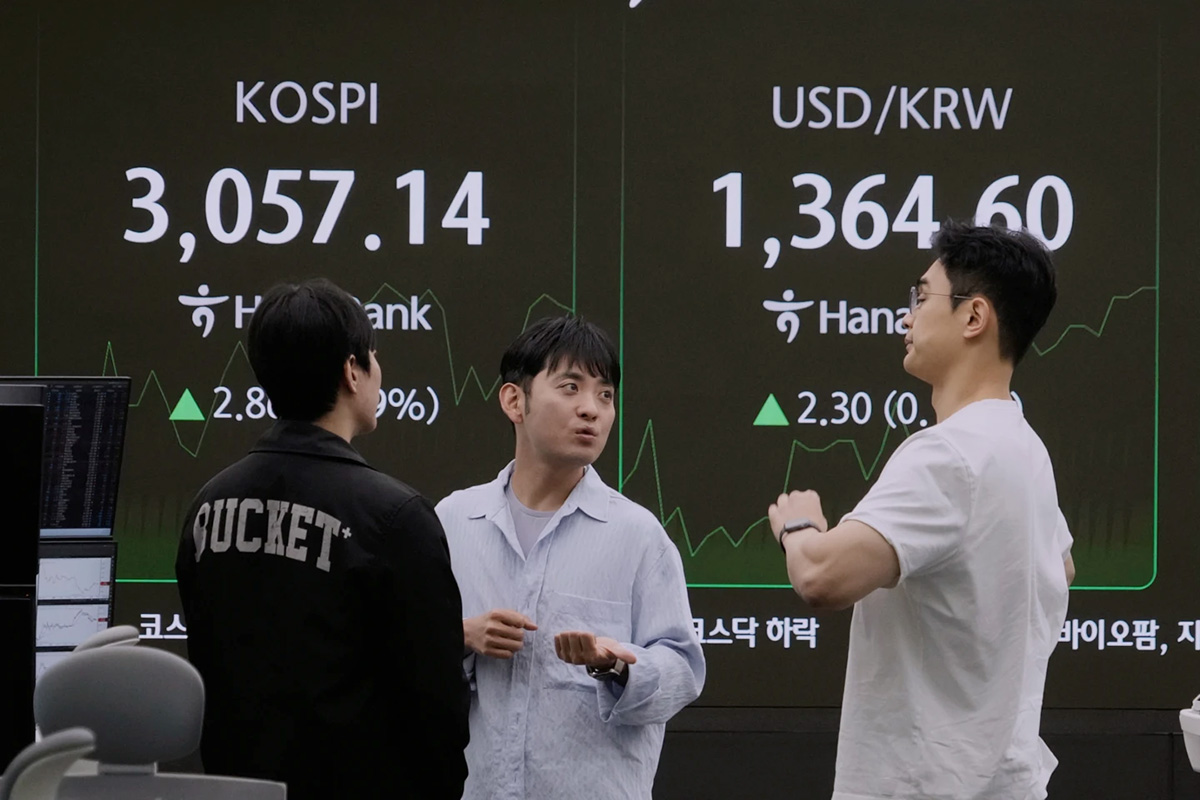
The won against the US dollar has hovered above 1,400 won per US dollar since last October, driven by the imposition of US tariffs, geopolitical risks in the Middle East and Europe, and significant capital outflows from surging overseas stock investment by retail investors.
FX volatility was followed by massive household debt at 16%, housing‑market instability in the Seoul metropolitan area at 6.7%, and a sluggish domestic economy at 6.7%.
Experts forecast that risks such as widened FX volatility, uncertainties in the monetary and economic policies of major economies and possible price adjustments in global asset markets could materialise within a year.
Risks, including massive household debt, stagnant domestic demand and real‑estate market instability in the capital area, were expected to become more prominent within one to three years.
(With inputs from RSS/Xinhua)
-1775026703.jpg)