
Off-budget foreign aid to Nepal rises as total aid falls, FinMin report reveals
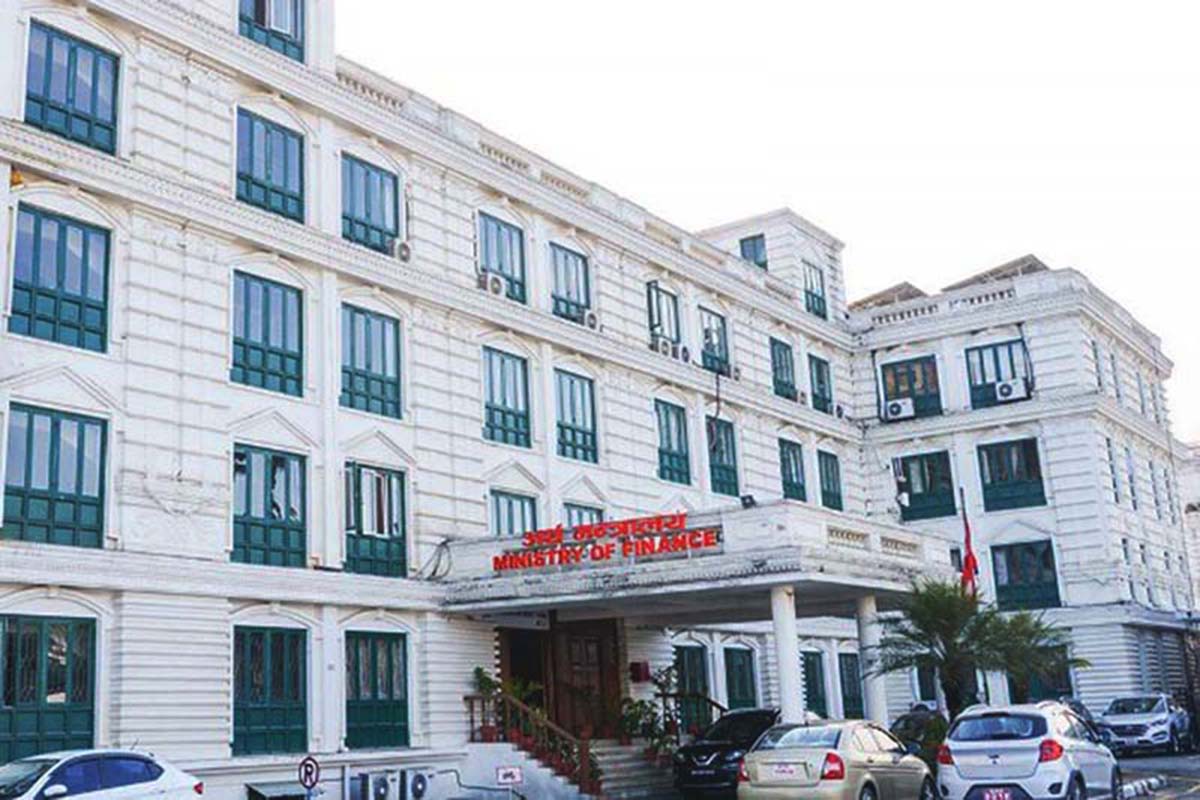
KATHMANDU: An increasing proportion of foreign development assistance to Nepal is being spent outside the national budget system, even as overall aid volumes continue to decline, according to the Ministry of Finance.
The Development Cooperation Report 2022/23, released by the ministry on Thursday, shows that in fiscal year 2022/23 Nepal received a total of $1.37 billion in official development assistance (ODA), down 3.5% from $1.42 billion in the previous year. This continues a downward trend, with disbursements falling from approximately $2 billion in fiscal year 2019/20 — the highest in the past decade — to $1.7 billion in 2020/21.
Of the total aid received in 2022/23, approximately $1.1 billion (77.4%) was on-budget, meaning it was recorded in the government’s annual budget booklet, known as the Red Book. The remaining $309.3 million (22.6%) was off-budget, bypassing the national budgeting process and often managed directly by donors, non-governmental organisations or independent projects.
The report highlights that the share of off-budget aid has been steadily rising, from 16.5% in 2019/20 to 15.7% in 2020/21, 20.8% in 2021/22 and 22.6% in 2022/23 — an increase of 6.1 percentage points over the four-year period. In contrast, the on-budget share has declined from 83.5% to 77.4% over the same timeframe.
Within the on-budget assistance, only $428.1 million, or 40.3%, was disbursed through the government treasury or consolidated fund (on-treasury), representing a 33.7% drop from the previous year. The remainder of on-budget funds was spent outside the treasury system (off-treasury), further limiting government oversight.
The ministry emphasises the need for greater alignment of aid with national systems to enhance transparency, accountability and effectiveness in achieving sustainable development goals. Committed aid also showed variability, with donors pledging approximately $2.3 billion in 2022/23, though actual disbursements fell short, continuing a pattern in which commitments of $2.4 billion in 2021/22 resulted in only $1.42 billion received.


-1791309830.jpeg)