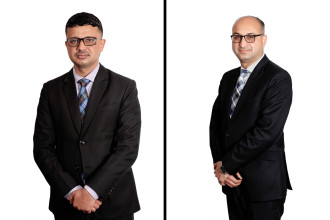
BRANDSUTRA 2.0: BRIDGING CLASSROOM THEORY WITH MARKET REALITY By Birat Shrestha

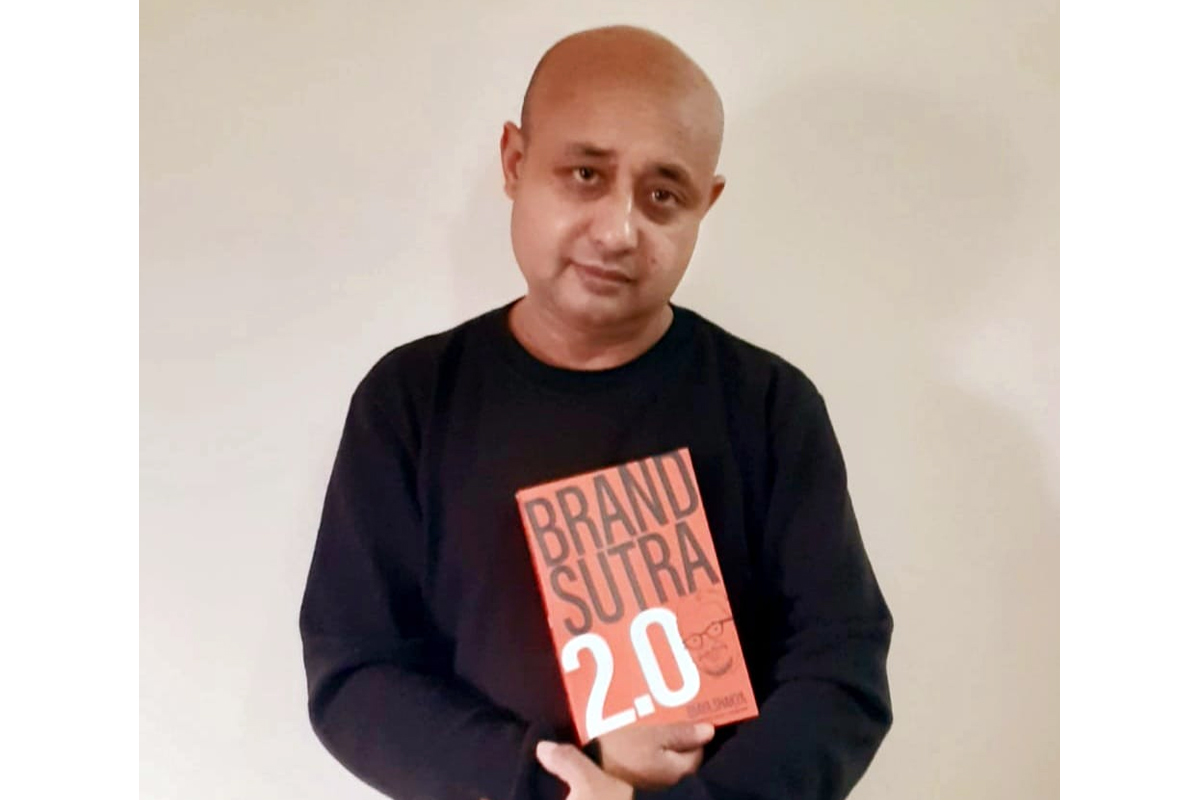
Kathmandu: Marketing education often operates between two worlds. In classrooms, students learn frameworks, models and case studies that explain how brands grow and sustain relevance. In markets, however, the realities of brand building are often far more complex, shaped by culture, behaviour, economic conditions and institutional context. Books that successfully bridge these two worlds are relatively rare.
BRANDSUTRA 2.0 by Ujaya Shakya makes a meaningful attempt to do precisely that. From an academic perspective, the book is particularly valuable because it emerges from practice. Drawing on more than two decades of experience in Nepal’s marketing and advertising industry, the author reflects on how brands evolve in emerging markets where consumer decisions are influenced by social, cultural and emotional factors. For those of us who teach advertising and brand marketing across business schools in Nepal, one of the recurring challenges in the classroom is contextual relevance. Many widely used marketing textbooks are written primarily for western markets. Their frameworks remain useful but their examples and assumptions do not always reflect the dynamics of smaller culturally complex markets like Nepal.
In this sense, BRANDSUTRA 2.0 fills an important gap. This book situates marketing within the lived context of Nepal while connecting these observations to broader developments across emerging South Asian markets. This regional perspective is particularly important for students who are preparing to work in economies where rapid change, technological adoption and cultural continuity coexist.
Another notable strength of BRANDSUTRA 2.0 lies in its emphasis on culture as a central component of brand building. In Nepal, consumer behaviour cannot be fully understood through demographic segmentation or economic indicators alone. Cultural identity, social relationships and collective memory often shape brand perception in ways that traditional marketing models do not always capture. By acknowledging these dimensions, BRANDSUTRA 2.0 encourages readers to view marketing not merely as a business function but as a social interaction embedded within cultural systems.
BRANDSUTRA 2.0 also arrives at a time when the marketing profession itself is undergoing significant transformation. Digital platforms, data analytics and evolving media ecosystems have altered how brands communicate and engage with audiences. As Mr. Sam Balsara, Chairman, Madison World, Former President, Advertising club Bombay, Former President, Advertising Agencies Association of India observes in the foreword, the past decade has reshaped not only the tools of advertising but also our underlying assumptions about how communication works.
BRANDSUTRA 2.0 reflects on this transition thoughtfully. While acknowledging the influence of technology and digital platforms, the book consistently returns to foundational principles: understanding people, respecting cultural context and building trust over time. This balance between contemporary relevance and long term perspective makes the book particularly useful for students who are entering a rapidly evolving industry.
For students, BRANDSUTRA 2.0 offers a way to see how theoretical concepts discussed in classrooms manifest in real markets. For professionals, it provides an opportunity to reflect on how marketing practices evolve within emerging economies.
Being a Marketing professional and a Faculty, reading BRANDSUTRA 2.0 was a good stimulation towards practice and teaching the students. BRANDSUTRA 2.0 again provided additional boost-up with its USP of Panchatatwa of Branding with National and regional level brand examples. Each Unit is interesting with specific and relevant points. This kind of a book is rare in Nepal with international standard content and positioning. Mr. Ujaya Shakya, the author has done justice to the book with his decades of experience in Advertising & Branding. I highly recommend this book to marketing students and corporate professionals.
-1791357574.jpeg)