WWF Nepal marks Earth Hour 2026 with nationwide programme of runs, events, digital outreach

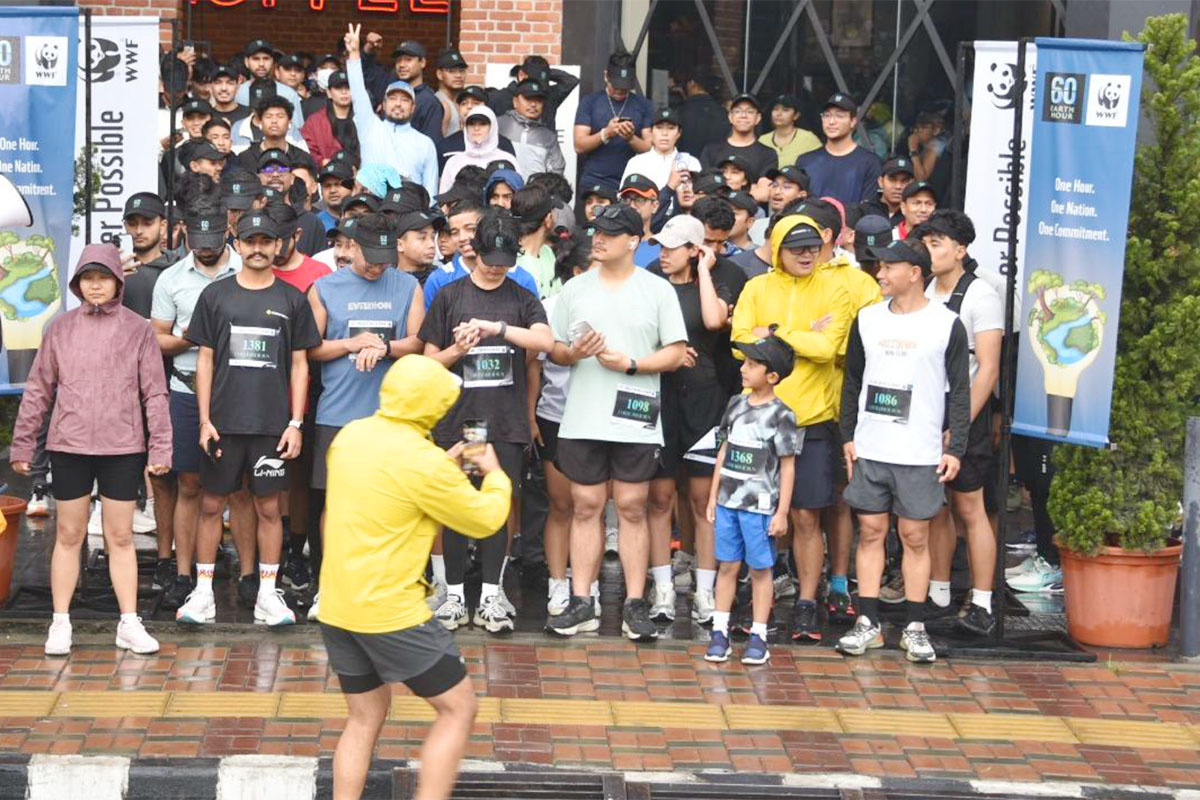
KATHMANDU: WWF Nepal marked Earth Hour 2026 with a nationwide programme of community events, fitness activities and digital outreach designed to promote environmental awareness and collective action.
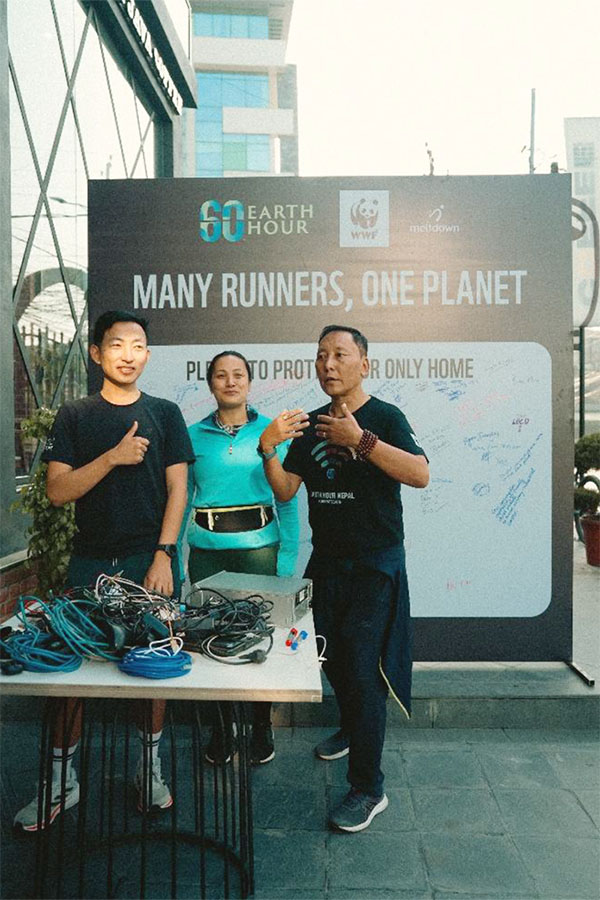
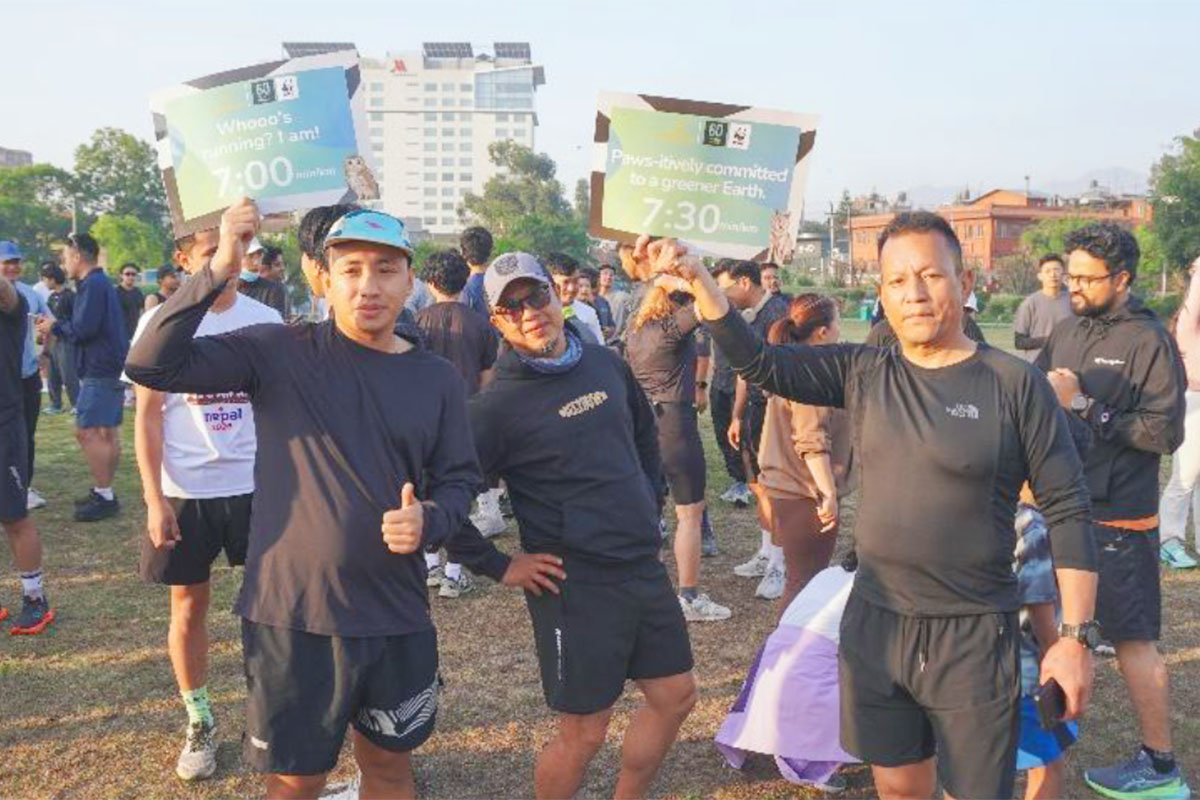
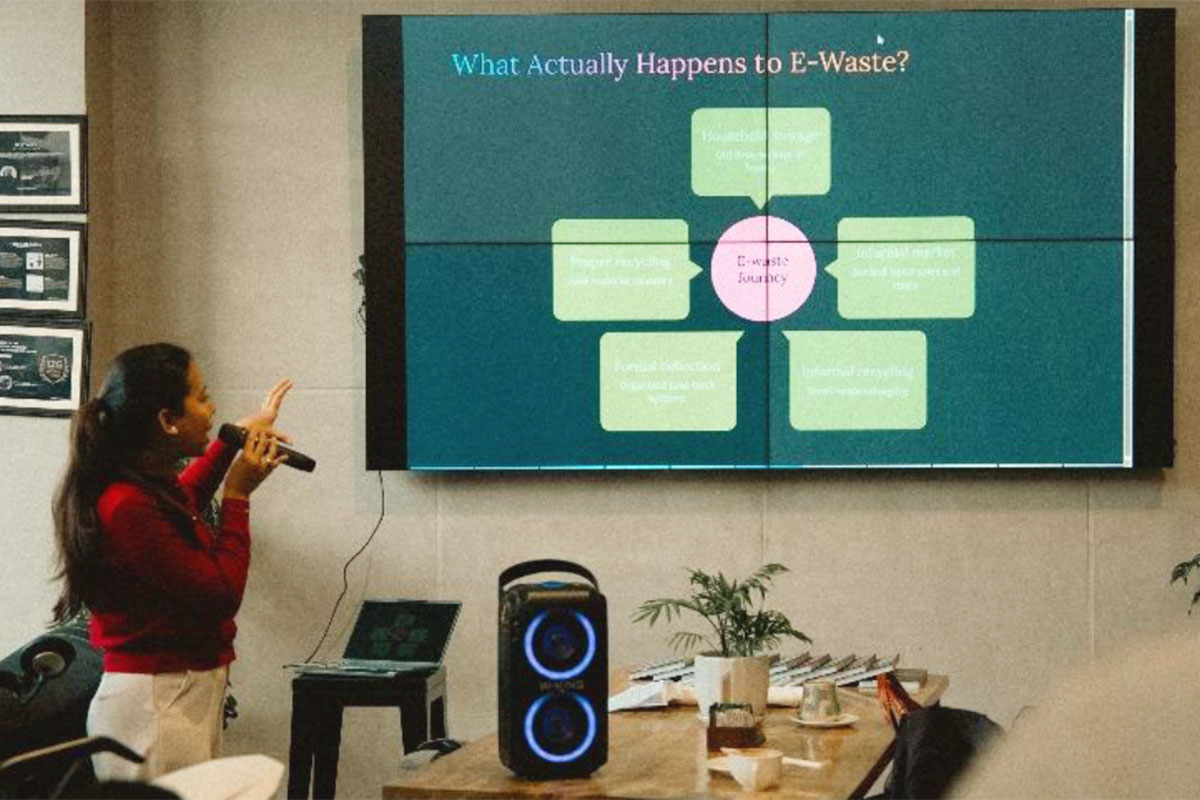
The campaign reframed Earth Hour as an active, people-powered movement centred on community engagement and fitness. In Kathmandu, WWF Nepal and Meltdown organised three plastic-free runs. Two mid-week runs on March 18 and March 25, each attracting more than 100 participants, included interactive sessions on waste management and wildlife conservation. The first run, held in collaboration with Khaalisisi, encouraged participants to bring e-waste for responsible recycling and featured games and learning activities. The second run used interactive exercises to spark conversations about environmental threats and the urgency of protecting nature.
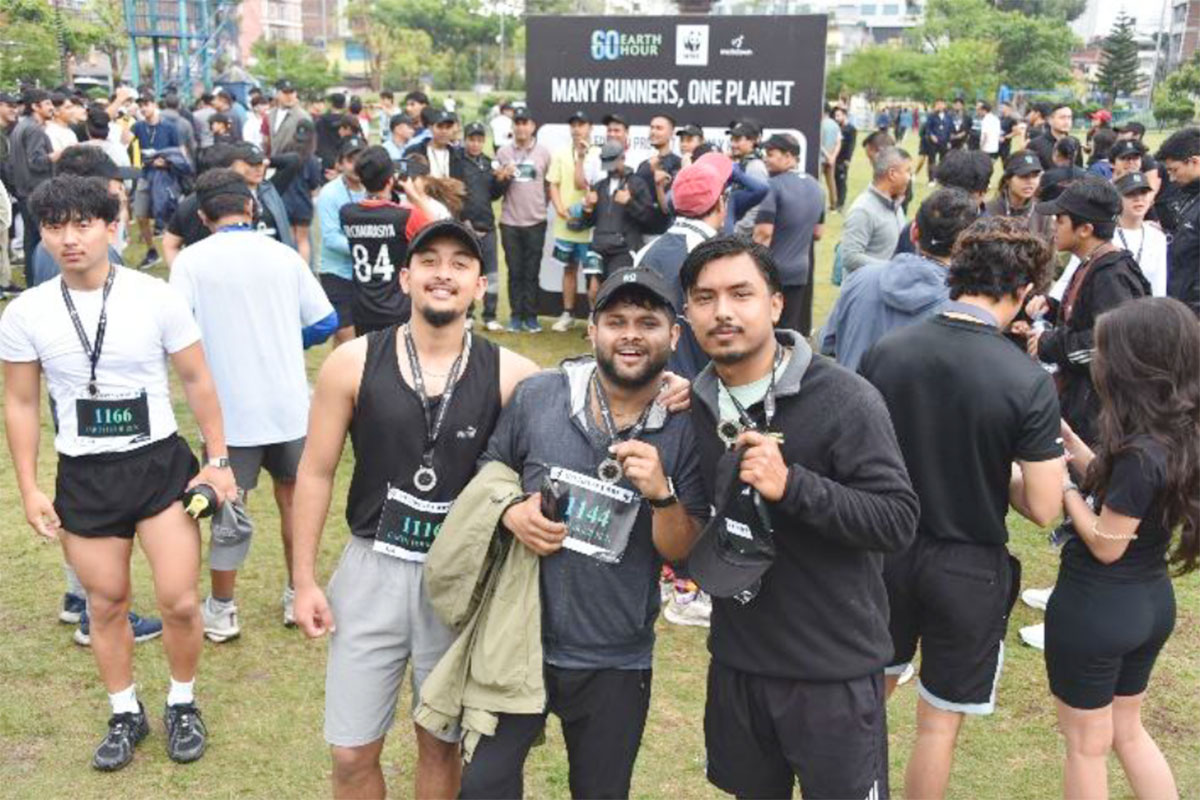
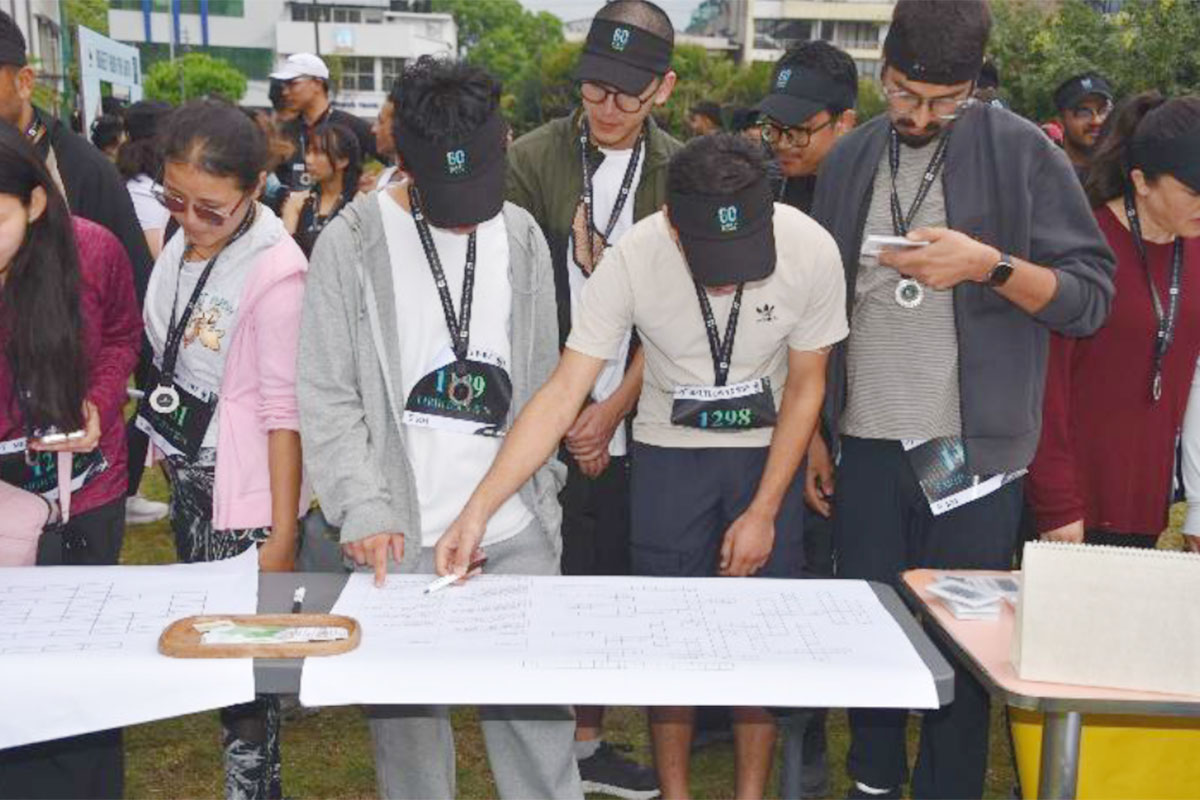
The movement culminated on Saturday with a grand finale run that drew more than 300 people to the 3 km and 5 km routes. The event continued at Narayanchaur Park with a mini carnival of art, pledge signing, painting, treasure hunts and immersive games intended to turn awareness into concrete commitments.
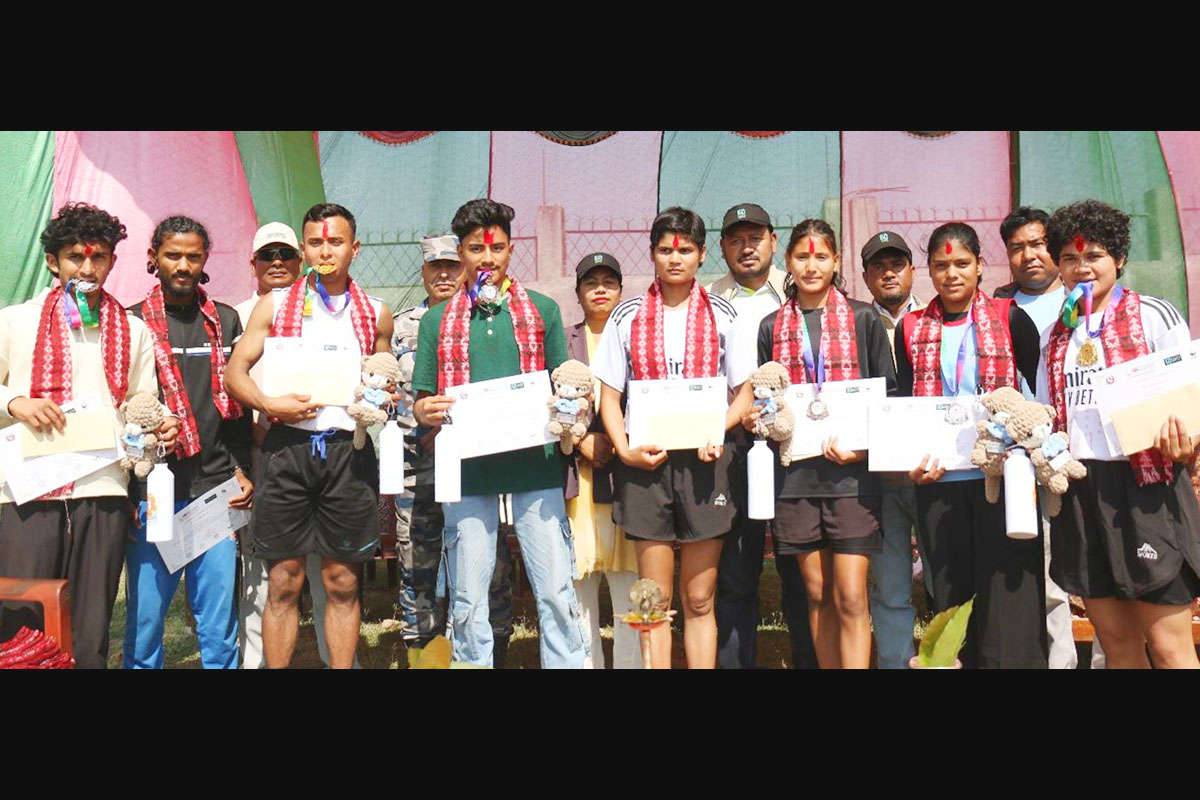
WWF Nepal extended Earth Hour activities beyond the capital. In Rajapur Municipality-3, Bardiya district, 50 runners took part in an 11.4 km Sakhi Fish Sanctuary Run, highlighting the importance of freshwater ecosystems and the need to protect aquatic biodiversity at Nepal’s first designated fish sanctuary.
Private sector and digital partners amplified the campaign. Thirteen restaurants in Kathmandu, including Roadhouse Cafe, Thamel; Mezze by Roadhouse, Durbarmarg; Le Sherpa Restaurant, Maharajgunj; La Casita Restaurant, Boudha; Piano Piano, Lazimpat; and Hard Rock Cafe, Durbarmarg, hosted candlelight dinners from 8:30 pm to 9:30 pm to encourage the public to pause and reflect. Conservation partnerships with fintech platform eSewa included a hackathon to develop digital solutions at the intersection of finance and environmental protection; the eSewa app also carried an Earth Hour banner linking users to awareness content. Telecom operator Ncell supported the campaign through joint social-media outreach to broaden its reach across the country.
Young people were prominent in the lead-up to Earth Hour. An eco-club art competition produced a winner, Urmila Nath of Shree Shaheed Smriti Secondary School, Kailali, and a runner-up, Anuska Mahato of Shree Secondary School, Chitrasari. The Eco Innovation Challenge was won by Creative Academy School, Kirtipur, for a project that transforms waste into practical solutions.
WWF Nepal said Earth Hour 2026 demonstrated how small, coordinated actions by individuals, communities and organisations can build into a powerful collective force for nature, using sport, creativity and technology to engage a broad cross-section of Nepali society.
-1791630230.jpeg)
-1791623099.JPG)