OPMCM publishes Good Governance Blueprint, 2082 calling for budget, tax reforms

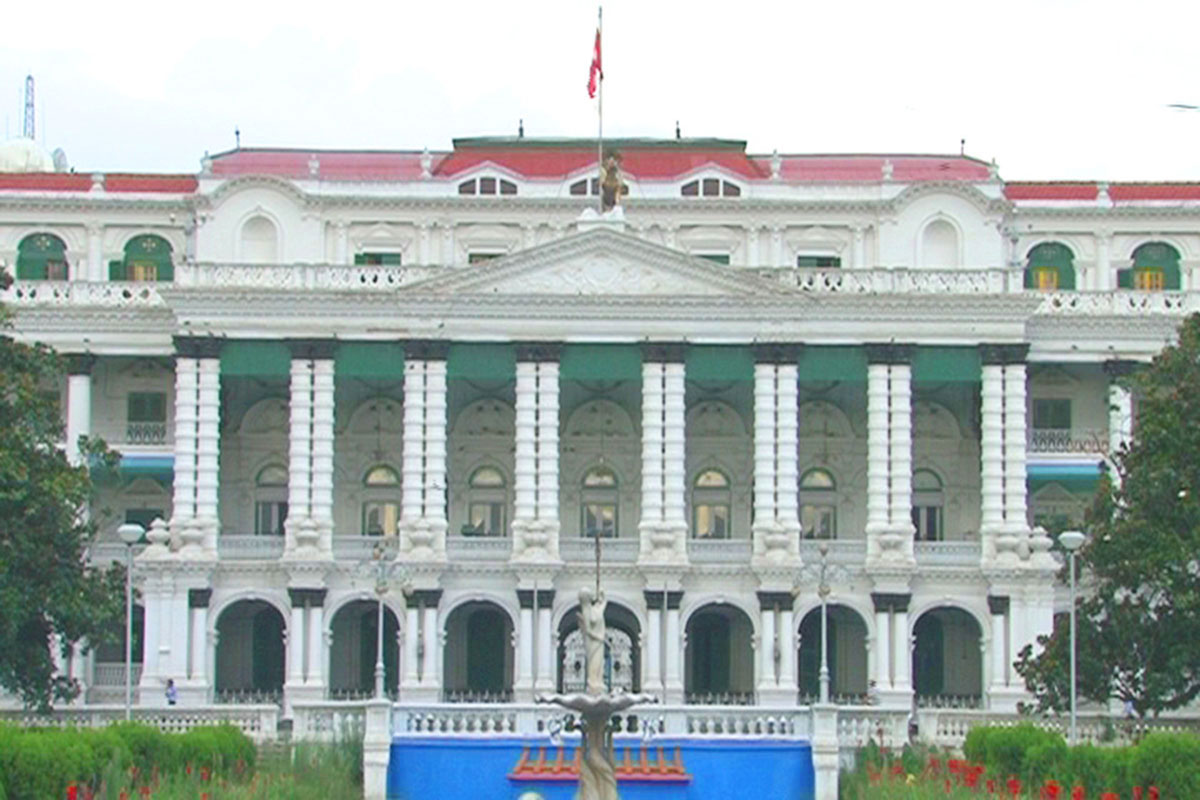
KATHMANDU: The Office of the Prime Minister and Council of Ministers (OPMCM) has published the Good Governance Blueprint, 2082, proposing structural reforms to the budget and revenue system and calling for greater transparency and long‑term policy stability.
The blueprint says the tax system needs to be just, progressive and transparent, while the budget system should be accountable and result‑oriented. It calls for taxes to be imposed on the basis of income and ability and for progressive taxation to protect low‑income groups.
The document stresses that there should be clear information on how revenue is generated and where it is used. It also urges that tax administration be made digital and hassle‑free so that taxpayers are not forced to queue for submission, filing or payment.
The blueprint adds that tax rates and policy should be stable and that fair and equal implementation of tax would be practised. It recommends full implementation of e‑registration, e‑filing, e‑payment and e‑invoicing and suggests using artificial intelligence to control tax evasion.
To curb corruption, the document says bribery and collusion must be ended and that internal control and digital tracking should be bolstered. It proposes a service‑oriented tax administration to address taxpayers’ complaints and says taxpayers should be protected from unfair fines.
The blueprint warns against dual taxation arising from poor coordination among federal, provincial and local levels and recommends clearly demarcating rights to end such overlaps. It calls for budget‑making, allocation and expenditure information to be made public and for major investment in primary sectors such as education, healthcare, employment and infrastructure.
The document emphasises that budget expenditure should be more result‑oriented and prepared by incorporating citizens’ feedback rather than being driven by the pockets of ministers or senior officials. It says intergovernmental transfers should be transformed into a strategic tool to reduce inequalities rather than merely a resource‑distribution measure.
The blueprint also recommends reducing direct ties between taxpayers and officials through faceless audits in tax administration, restructuring and improved business management for public enterprises with low returns, and a fully digital, paperless and faceless customs administration.
-1791464816.jpeg)