Researchers propose central China as new 'global biodiversity hotspot'

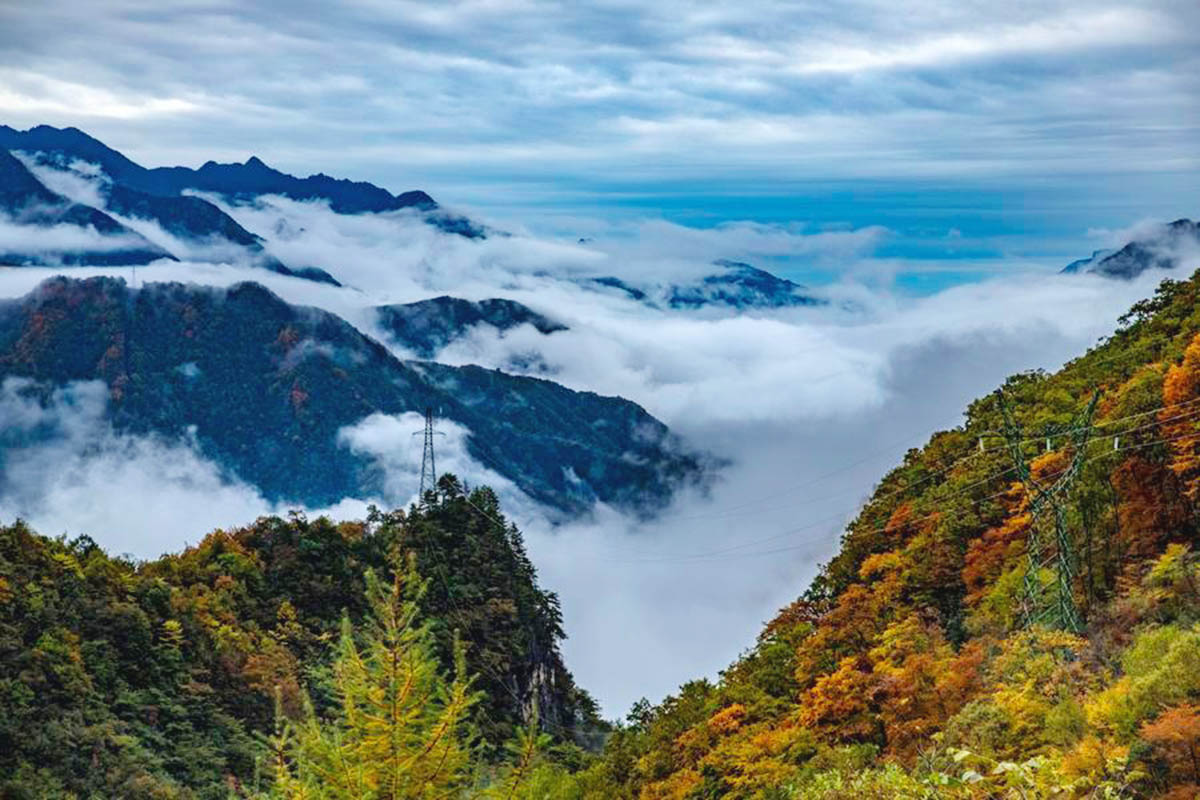
BEIJING: Researchers have proposed that a large area of central China be recognised as a new 'global biodiversity hotspot', Xinhua reported.
The study, led by scientists at the Institute of Botany at the Chinese Academy of Sciences (IBCAS) in collaboration with colleagues in Australia and the United Kingdom, was published in the journal 'Nature Ecology & Evolution' on Tuesday.
Global biodiversity hotspots are defined by two strict criteria: they must contain at least 1,500 species of vascular plants found nowhere else, and they must have lost at least 70% of their original natural vegetation. Thirty-six regions currently meet those conditions.
The researchers identified central China as a region of exceptional importance. Covering about 1.54 million square kilometres, the area is home to more than 14,000 species of vascular plants and supports a wide variety of insects and vertebrates. Despite retaining only about 7% of its original vegetation, it hosts at least 2,024 endemic plant species — well above the threshold required for hotspot status.
The team said central China’s subtropical evergreen broad-leaved forests comprise a unique mix of ancient relict plants, once widespread but now surviving in only a few places, and more recently evolved groups that have diversified rapidly in geological terms. That combination, they argued, makes the region irreplaceable in terms of evolutionary history.
Based on these findings, the researchers formally proposed that central China be designated the world’s 37th global biodiversity hotspot. If accepted, it would become China’s fifth such hotspot, joining areas such as the mountains of south-west China and the Himalayas.
"We hope that this designation will help strengthen conservation efforts, guide future protected-area planning, and draw more international support to protect the region’s unique and threatened natural heritage," said Lu Limin, a professor at IBCAS.
BY RSS/Xinhua