Public hearing concludes on 50MW Marsyangdi Besi hydropower project in Lamjung

-1775546102.jpeg)
LAMJUNG: A public hearing on the physical and environmental impacts of 50-megawatt Marsyangdi Besi Hydropower Project concluded on Sunday in Simalchaur, Marsyangdi Rural Municipality-8, Lamjung district.
The hearing formed part of the project’s Supplementary Initial Environmental Examination (Supplementary IEE) and drew local residents, stakeholder agencies and representatives from multiple sectors, project officials said.
The Marsyangdi Besi project, developed by Divya Jyoti Hydropower, is under construction on Marsyangdi River in Besishahar Municipality wards 6 and 10 and Marsyangdi Rural Municipality wards 8 and 9 in the district.
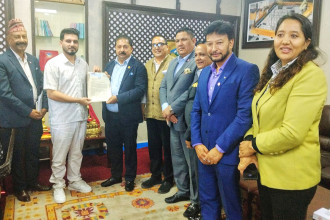
Officials said the programme was attended by senior local leaders and officials, including the District Coordination Committee chairperson, the Mayor of Besishahar, Chairperson of Marsyangdi Rural Municipality, deputy mayors, vice-chairpersons, chief administrative officers, ward chairpersons, political party representatives, community forest members, the project technical team and many local residents.
-1775546101.jpeg "Marsyangdi-Besi-hydropower-project-(2)-1775546101.jpeg")
-1775546101.jpeg "Marsyangdi-Besi-hydropower-project-(3)-1775546101.jpeg")
Project officials said a small number of people tried to disrupt the proceedings with protests, but the hearing finished peacefully with support from the local community.
Company Director Milan Khadka said hydropower is essential for the country’s prosperity and accused some groups of opposing the project for personal gain. He warned that such opposition would not stop the work and said the project will be completed.
Khadka said the main promoter of Divya Jyoti Hydropower is Api Power Company Limited, which has completed many hydropower and solar projects and is listed on the Nepal Stock Exchange. He added that Divya Jyoti plans to list soon so local residents can become shareholders.
Project officials estimated the cost at about Rs 10 billion. They said the project’s Environmental Impact Assessment was approved on September 17, 2017, and the Power Purchase Agreement was signed on August 26, 2018. Construction is underway, and officials aim to begin commercial electricity production in about two and a half years.