
Government identifies 13 challenges in Nepal's energy sector

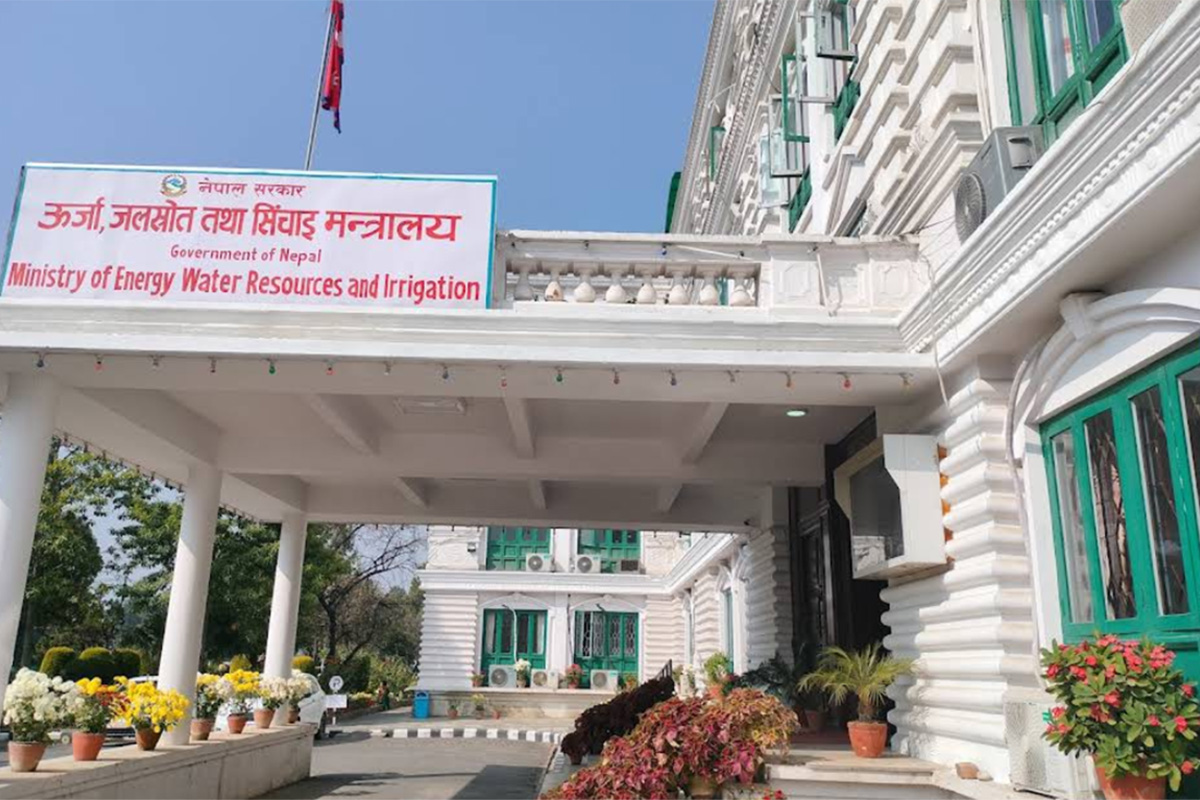
KATHMANDU: The government has identified 13 challenges in the country’s energy sector.
According to the Energy Consumption Growth and Export Strategy, 2083, prepared by the Ministry of Energy, Water Resources and Irrigation, effective initiatives, investment diversification and legal reform are required to address them.
The strategy has singled out the weakness of the distribution system’s capacity and quality and the lack of reliable, quality power supply in the industrial sector as primary problems. It said rising electricity demand was being driven by increased use of high‑consumption devices in households and commercial premises, and by growing demand from agriculture, irrigation and industry. The absence of electric vehicle charging infrastructure was listed among the sector’s shortcomings.
Low development of data centres, green hydrogen production, fertiliser industries and other electricity‑intensive sectors such as modern brick kilns was identified as a further concern. The strategy said that, once domestic electricity demand was met, surplus power should be supplied to bilateral, sub‑regional and regional markets as an exportable commodity.
The government has said that inadequate development of internal and interstate transmission lines and associated structures remained a major obstacle. It has also highlighted the need to develop large reservoir‑based hydropower projects suitable for export and aligned with domestic demand and regional market needs.
Harmonising neighbouring countries’ policies and regulations with Nepal’s procedures for electricity production and import–export, and the absence of legal provisions to enable private sector participation in electricity trade, were cited as additional challenges. The ministry said the high cost of electricity produced in Nepal made it difficult to compete in neighbouring markets, and that upgrading the national grid to the level of neighbouring systems and creating a competitive domestic electricity market were necessary but difficult tasks.
The strategy set out several opportunities. It said hydropower development had high potential to reduce the annual trade deficit by becoming an exportable commodity, and that expanding electricity use in transport, households and industry could significantly increase domestic consumption. Domestically produced clean power was presented as a means to ensure long‑term energy security.
There was scope to export electricity saved after domestic consumption to bilateral, sub‑regional and regional markets, and the strategy cited a basis for exporting 10,000 MW of electricity in 10 years under a long‑term trade agreement with India. It noted that during Nepal’s high production peak season neighbouring India and Bangladesh experienced high demand, creating the possibility of obtaining higher rates. For countries aiming for carbon neutrality, Nepal’s hydropower was described as an attractive green option that could save foreign currency by replacing mineral fuels and strengthen the balance of payments.
The strategy has also pointed to opportunities to increase access to climate finance and carbon markets and to build an energy‑based economy through the development of energy‑intensive industries such as data centres, green hydrogen and chemical fertiliser factories.
The government has set targets to increase per capita electricity consumption to 1,500 units by 2035 and to reach a total installed capacity of 28,500 megawatts, of which 13,500 megawatts are targeted for domestic consumption and 15,000 megawatts for export.
According to the Energy Consumption Growth and Export Strategy, 2083, a significant increase in electricity exports is expected, along with a notable reduction in the trade deficit and a substantial rise in the energy sector’s contribution to the national economy. After implementation, per capita consumption is projected to reach around 1,500 units, and reliable electricity access is to be ensured for 100% of the population. The document forecast increased electricity exports and average export revenue, improved market management of electricity saved through domestic consumption, reduced environmental pollution and contributions towards achieving sustainable development goals.

-1788413020.jpg)