Govt makes public 'Nepal's Current Economic Situation Report-2083'

KATHMANDU: The government today made public 'Nepal's Current Economic Situation Report‑2083', which assesses the country's overall socio‑economic situation and sets out policy priorities to boost growth, investment and employment. The Ministry of Finance (MoF) said the report aims to present an objective picture of the economy and to guide the formulation of future policies, plans and the budget.
Finance Minister Dr Swarnim Wagle commissioned the document as soon as he took over responsibility for the MoF following the formation of the new government. The report acknowledges that Nepal's economy is currently beset by many challenges but concludes that there are ample, multifaceted opportunities for transformation.
The report states that if a stable government, good governance and an investment‑friendly policy environment can be created, private sector confidence will be restored and domestic and foreign investment will increase. That, in turn, is expected to expand the manufacturing sector, create jobs and accelerate economic activity.
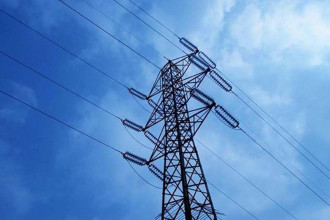
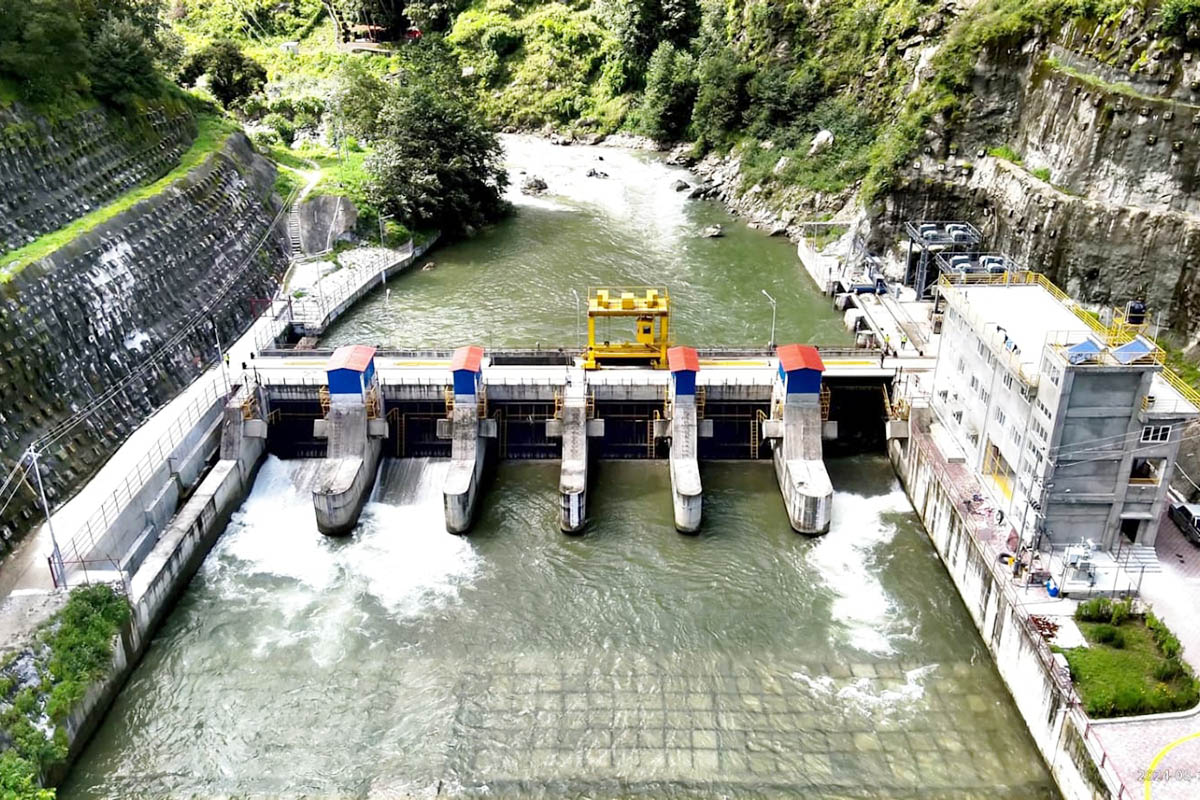
The hydropower sector is identified as a major opportunity to generate stable foreign income through cheap and reliable energy production, industrialisation, expansion of the service sector and electricity exports.
The position paper highlights the potential of integrated mountain, cultural and community‑based tourism to create income and employment in rural areas, and says international competitiveness can rise if tourism infrastructure, service quality, mobility and destination management are improved.
The document places artificial intelligence, robotics, information technology services, business‑process outsourcing and digital entrepreneurship among the major opportunities for the coming decade. It argues that production, income and exports can be increased through modernisation of the agricultural sector, with investment in high‑value crops, animal husbandry, horticulture and agro‑processing industries presented as the way forward.
Industrial development, supply‑chain strengthening, special economic zones (SEZs), industrial clusters and trade facilitation are identified as the principal tools for building an export‑oriented economy. The paper also points to the possibility of making Nepal a regional transit‑trade hub by leveraging its geographical location and calls for increased investment in transport, energy, irrigation and digital infrastructure. There is scope to advance large projects through the public-private partnership (PPP) model.
The report emphasises linking remittances to entrepreneurship, skills development and manufacturing, and recommends policies to utilise the experience and skills of migrant workers who have returned from foreign employment. It also suggests increasing financial inclusion, digital banking and long‑term investment instruments in the financial sector, and advocates sustainable use of minerals, water, land, forests and herbs while maintaining biological and ecological balance.
According to the report, average economic growth of 7% can be achieved from the coming fiscal year 2026/27. It is set to raise per‑capita income to more than $3,000 within five to seven years and to expand the size of the economy to close to $100 billion.
To meet these targets, the report sets out immediate priorities: achieve 15,000 megawatts of electricity generation capacity within five years; complete designated national pride projects within two years; strengthen linkages between agriculture, industry and tourism; build quality tourism infrastructure; and expand the digital economy.
The report presents Nepal's current economic outlook as challenging but transformable and calls for coordinated policy action, infrastructure investment and private sector engagement to convert identified opportunities into sustained growth, jobs and higher living standards.