
Govt to phase out LPG subsidies by FY 2035/36, shift support to electric stoves
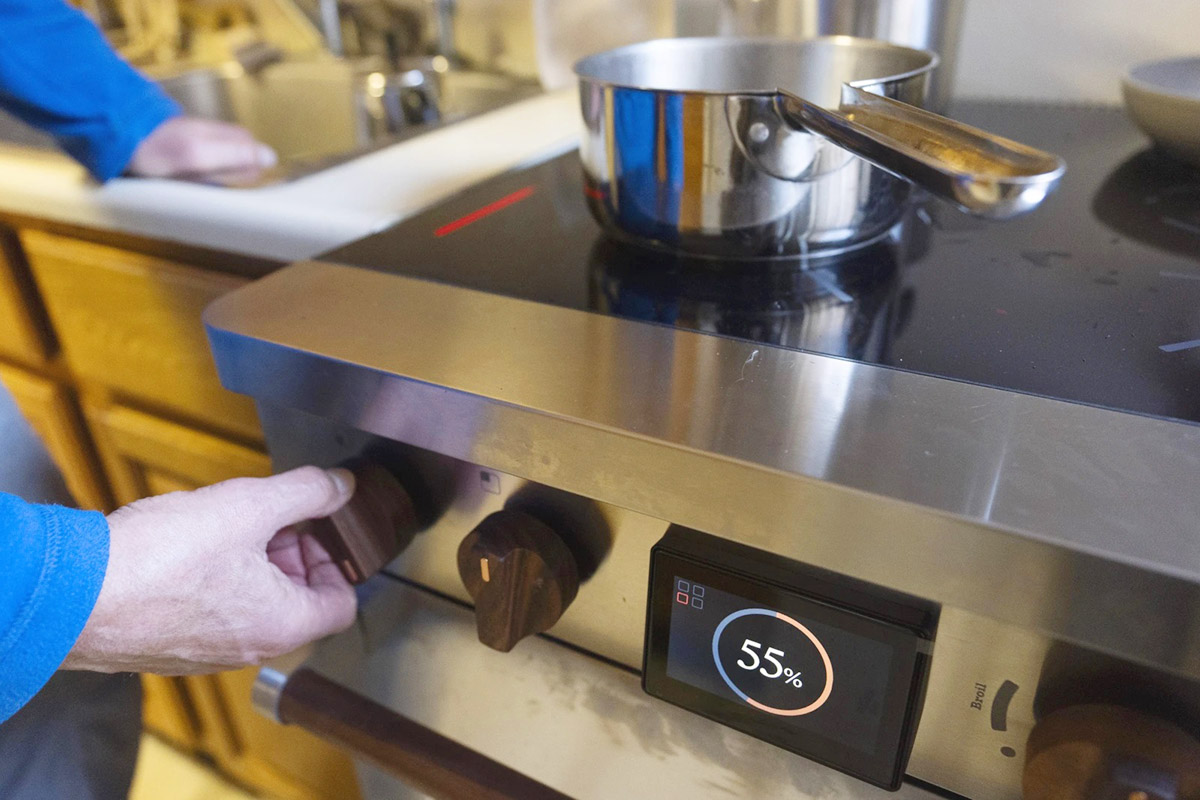
KATHMANDU: The government has announced a plan to phase out subsidies for liquefied petroleum gas (LPG) by fiscal year 2035/36 and to shift support towards electric stoves, citing rising costs of cooking gas imports.
The Energy Consumption Growth and Export Strategy, 2083, released by the Ministry of Energy, Water Resources and Irrigation, calls for a gradual reduction in LPG use and proposes subsidies for electric stoves to encourage cleaner household energy consumption. The Ministry of Industry has been named the lead agency for implementation, while the Ministry of Finance and the Ministry of Energy will coordinate to meet a project deadline set for fiscal year 2092/93.
Customs data show Nepal imported cooking gas worth Rs 41.65 billion in the first nine months of fiscal year 2025/26, totalling 4.1 million metric tonnes. In fiscal year 2024/25 the country spent Rs 62.58 billion on LPG imports for 5.5 million metric tonnes, and in fiscal year 2023/24 the import bill was Rs 55 billion. Nepal Oil Corporation (NOC) reports monthly imports of about 48,000 metric tonnes in the current fiscal year and a recorded loss of Rs 331.25 per cylinder; LPG is currently sold at Rs 2,160 per cylinder.
The strategy links the high import bill for cooking gas to broader economic concerns, noting that a significant share of remittances sent by Nepali workers abroad is being used to pay for fuel imports. To reduce this burden, the plan promotes domestic electricity use for cooking and other needs.
The Nepal Electricity Authority (NEA) has launched a campaign to increase electric stove adoption, with local authorities joining the effort. The NEA is upgrading transmission lines and modernising transformers and networks to ensure a reliable power supply for expanded household electricity use.
The strategy highlights potential benefits beyond energy savings, saying the shift to electric stoves would support public health and deliver economic gains. It also includes measures to encourage electric vehicles, with plans for widespread charging stations developed in cooperation between the NEA and the private sector, and policies to replace coal boilers with electric boilers and furnaces.
Modernisation of the agricultural sector is also part of the plan, with proposals to offer discounted electricity tariffs to farmers and agro-entrepreneurs to encourage electrification of farming processes and related enterprises.
Minister for Energy, Water Resources and Irrigation Biraj Bhakta Shrestha urged agencies to make the strategy “more objective and scientific” so that it yields measurable results.
According to the ministry, Nepal’s total installed hydropower capacity has reached 4,296 megawatts and is expected to reach 4,500 megawatts by the end of the current fiscal year. Per capita power consumption is reported at 450 kilowatts, and the country is exporting around 2,918 GW of electricity, figures the government says support a push to increase domestic electricity consumption.
-1791368436.jpeg)
-1791367392.jpeg)
-1791357574.jpeg)