
FNCCI, CNI call on government to act as construction work stalls after fuel, material prices rise

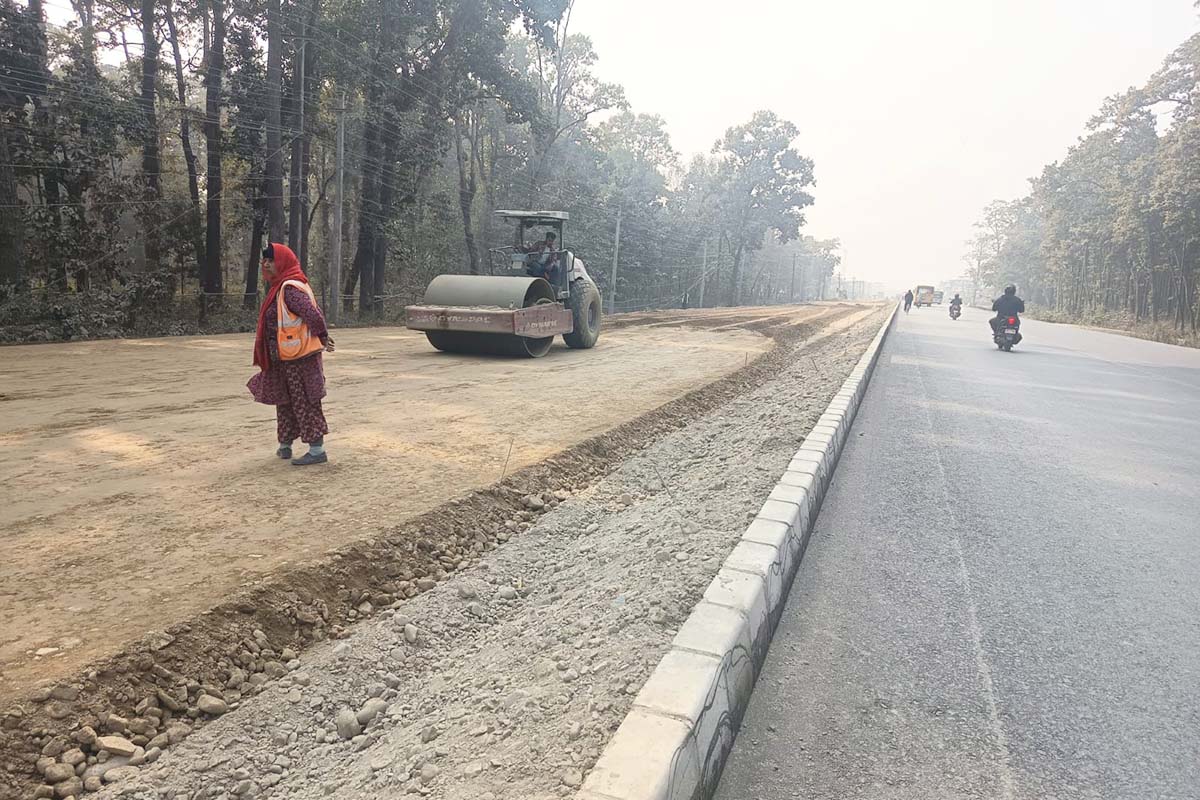
KATHMANDU: Federation of Nepalese Chambers of Commerce and Industry (FNCCI) and Confederation of Nepalese Industries (CNI) have urged the government to intervene immediately as the domestic construction sector faces an unprecedented crisis driven by sharp rises in fuel and material costs.
According to statements issued by both umbrella organisations of the private sector, the escalation of the war in the Middle East has pushed diesel from Rs 139 per litre before February 15 to Rs 225 per litre, while bitumen has risen from Rs 75 per kilogram to Rs 155 per kilogram. The Federation of Contractors' Associations of Nepal (FCAN) has estimated that construction entrepreneurs have already suffered losses exceeding Rs 10 billion during this period.
FNCCI warned that the construction industry, which provides direct and indirect employment to more than 2 million people and accounts for nearly 80% of government capital expenditure, has been brought to a near halt. Skyrocketing costs for diesel, kerosene, bitumen, transport and labour have disrupted supply chains and stalled projects across the country, the federation said, with negative consequences for the wider economy.
FNCCI expressed full solidarity with contractors facing severe financial and mental strain and pointed to Section 55 of the Public Procurement Act, 2063 (2007), which mandates price adjustments when market costs rise. FNCCI noted that India has been granting price adjustments to its construction sector in line with rising input costs and warned that denying similar relief in Nepal could lead to automatic suspension of development works nationwide.
Likewise, CNI echoed those concerns, saying stagnation in construction projects could trigger slowdowns in other directly related industries. The confederation called on all relevant stakeholders and authorities to address the grievances of construction entrepreneurs promptly to ease their financial burden and keep the economy moving.
Both FNCCI and CNI said FCAN has repeatedly requested government guidelines or circulars to enable timely price adjustments for contracts of all durations, but that the issue remains unresolved. They urged the government to implement a fair price adjustment mechanism to prevent further deterioration in the sector and to protect jobs and public investment.