Ship runs aground in Strait of Hormuz, Iranian state TV reports

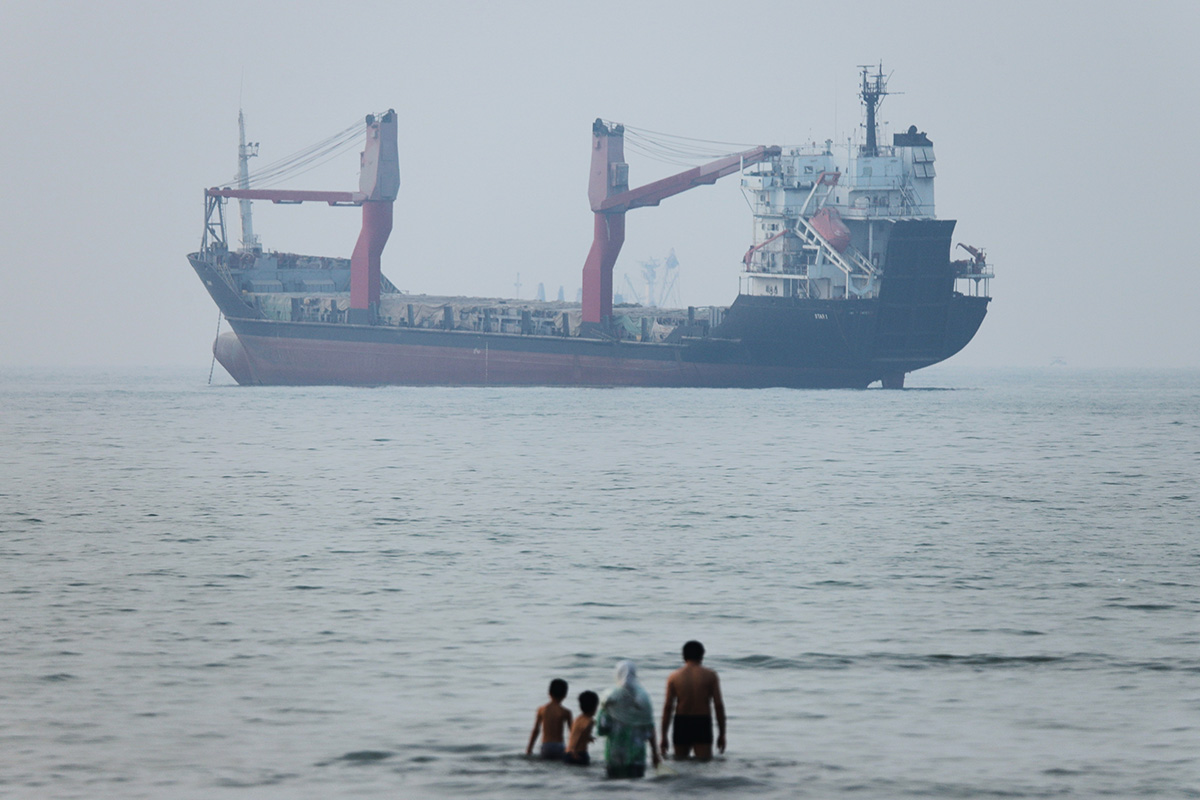
DUBAI: A ship ran aground in the Strait of Hormuz after failing to follow Iran’s approved route through the water, Iranian state television reported on Wednesday. The report identified the vessel as a foreign container ship but offered no other immediate details.
The state TV report appeared aimed at underlining Tehran’s claims since the US‑Iran war to assert control over the strait, which has long been considered an international waterway and saw a fifth of all oil and natural gas pass through it in peacetime.
The report came as US Middle East envoy Steve Witkoff and Jared Kushner, US President Donald Trump’s son‑in‑law, were in Doha for talks aimed at reaching a permanent end to the Iran war.
Technical talks between diplomats began on Wednesday in Qatar, two regional officials said, speaking on condition of anonymity about the closed‑door meetings. The talks aim to nail down specifics to pave the way for top leaders to seal an agreement, though differences over the strait and Lebanon remain significant.
Iran offered no immediate acknowledgement that the negotiations had started.
The Strait of Hormuz is a key sticking point in talks
Iran and the United States agreed as part of an interim deal to allow ships to pass without charge for 60 days, but Tehran insisted it must control vessel routes and later charge fees for passage, upending decades of practice in the waterway. The US and many Gulf Arab states say they will not agree to the charges. An effort by Oman and a UN agency to launch a new route near Oman’s shore sparked attacks across the Middle East last weekend, highlighting the tensions still gripping the region.
Iranian state TV said the ship “ran aground with its cargo because of shallow waters along the route it had chosen and was unable to continue sailing.” It said shippers needed to follow the instructions of Iran’s paramilitary Revolutionary Guard in the strait.
The Guard’s navy “has repeatedly warned captains, shipowners and officials of shipping companies around the world that any entry or exit through routes other than the ‘Route of Authority’ in the Persian Gulf could lead to irreparable incidents,” the report said. It did not mention the two ships Iran attacked in recent days for heading through the strait without Tehran’s permission, including one carrying crude oil from Qatar.
US negotiators are in Qatar and Iranians are expected
Witkoff and Kushner arrived in Qatar on Tuesday ahead of talks mediated by Doha. While Iran has insisted it planned no meetings with the Americans, their comments left open the possibility of so‑called “indirect negotiations”, in which the two nations pass messages through Qatari officials.
Qatar early on Wednesday acknowledged a meeting between the Americans and its foreign minister, Sheikh Mohammed bin Abdulrahman Al Thani. A readout from Qatar’s Foreign Ministry said the men discussed the interim deal “along with the efforts aimed at promoting security and stability in the region through dialogue and diplomacy.” Lebanon was also discussed, a key point in a final deal as Iran has insisted that all fighting between the Iranian‑backed militia Hezbollah and Israeli forces must end.
Iran has also called for Israel to withdraw from land it occupies in southern Lebanon. Israel insists it must hold the territory and retain the freedom to strike Hezbollah, which has been launching attacks into northern Israel.
Iran did not immediately acknowledge any talks on Wednesday. However, Iranian parliament speaker Mohammad Bagher Qalibaf, a key negotiator, told Iranian state television overnight that work continues to try to reach a permanent end to the war.
“We are engaged in dialogue, but if they refuse to implement what has been agreed through dialogue, we are prepared for war,” Qalibaf said.
He said a joint committee of Iranian and US representatives had been formed to oversee implementation of the Lebanon‑related provisions and that talks would continue until five key clauses of the MoU were fully implemented. “We prioritised the issue of Lebanon, and today you see that relative calm has been established there. The follow‑up is serious, and the talks are still ongoing, and until these five clauses, one of the most important of which is the issue of Lebanon, are consolidated and finalised, we will not enter the next stage of implementing the other clauses of the memorandum of understanding,” he said.
More ships leave the Strait of Hormuz
While ship traffic in the strait dropped after last weekend’s attacks, more countries say their vessels have left safely. Thailand’s Foreign Ministry said on Tuesday that 10 out of 11 Thai‑flagged vessels or vessels chartered by Thai operators have departed the Strait of Hormuz safely. South Korean officials say all but two of the country’s 26 vessels that were stranded have left safely.
Iraq shoots down drone over Baghdad
Also on Wednesday, Iraqi authorities shot down a small drone over Baghdad’s heavily fortified Green Zone, where many embassies and government buildings are located, two Iraqi security officials said. They spoke on condition of anonymity because they were not authorised to comment publicly. One official said the drone was unarmed and likely being used for surveillance. No group immediately claimed the drone.
After the US and Israel launched their war on Iran in late February, Iranian‑backed Iraqi militias launched frequent attacks on US military and diplomatic facilities in Iraq. The drone shot down overnight on Wednesday was the first security incident in Baghdad since the US and Iran agreed to a ceasefire.
By RSS/AP

-1775114766.jpg)


US import ban on Canadian alcohol, other products comes into effect
September 29, 2026