ADB says support for Nepal to reach $2.4bn by 2029

-1783411606.jpg)
KATHMANDU: The Asian Development Bank (ADB) has said its support for Nepal is expected to reach $2.4 billion by 2029 under a Country Partnership Strategy for 2025-2029.
During a two-day visit to Kathmandu, ADB President Masato Kanda said, “The ADB, as one of Nepal's key multi-party development partners, continues to expand its support to Nepal. By 2029, our support here is expected to reach $2.4 billion.”
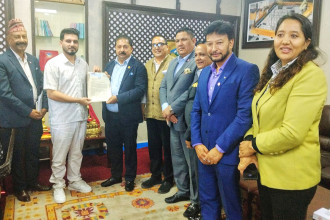
As part of the visit, ADB signed two loan agreements totalling $165 million. A $115 million project will provide reliable, safely managed water and sanitation services to more than 850,000 people, while a $50 million policy-based loan will modernise systems that move goods across Nepal’s borders, helping businesses cut costs and improve efficiency through digitalisation and streamlined procedures.
ADB officials said annual lending could reach up to $660 million this year, rising to $2.4 billion over the 2025-2029 partnership period. A press statement from the bank said the funding will prioritise job creation, private sector development, sustainable infrastructure, public service delivery, resilience, empowerment of women and disadvantaged and vulnerable groups, and digital transformation. The bank plans to mobilise additional resources through co-financing and instruments such as green and local currency bonds.
ADB President Kanda met Prime Minister Balendra Shah as ADB and Nepal mark 60 years of partnership and deepen support for the country’s economic transformation, job creation and investment. “Nepal is at a defining moment, with an opportunity to build a more dynamic and resilient economy,” he said. “ADB is stepping up as Nepal’s largest multilateral development partner. Our focus is on results for people: more jobs, stronger businesses, and better livelihoods for communities across Nepal.”
The president toured ADB-financed projects and, together with Minister of Energy, Water Resources and Irrigation Biraj Bhakta Shrestha and Norwegian Ambassador Dagny Mjøs, virtually inaugurated two substations intended to strengthen Kathmandu’s electricity supply. He also visited a school rebuilt after the 2015 earthquake, now fitted with modern science and technology facilities, and discussed new initiatives, including pilots on artificial intelligence learning to equip teachers and students with skills for a changing labour market.
In talks with Finance Minister Dr Swarnim Wagle, discussions centred on Nepal’s reform agenda, including measures to improve the business climate and mobilise investment, and on ADB support for the government’s growth and resilience priorities. The ADB president also met private sector leaders to discuss opportunities and constraints affecting investment and job creation.
Founded in 1966, ADB is a multilateral development bank supporting sustainable, inclusive and resilient growth across Asia and the Pacific. It is owned by 69 members, 50 of whom are from the region.
By RSS