
CIM urges govt to withdraw 13 pc VAT on industrial electricity

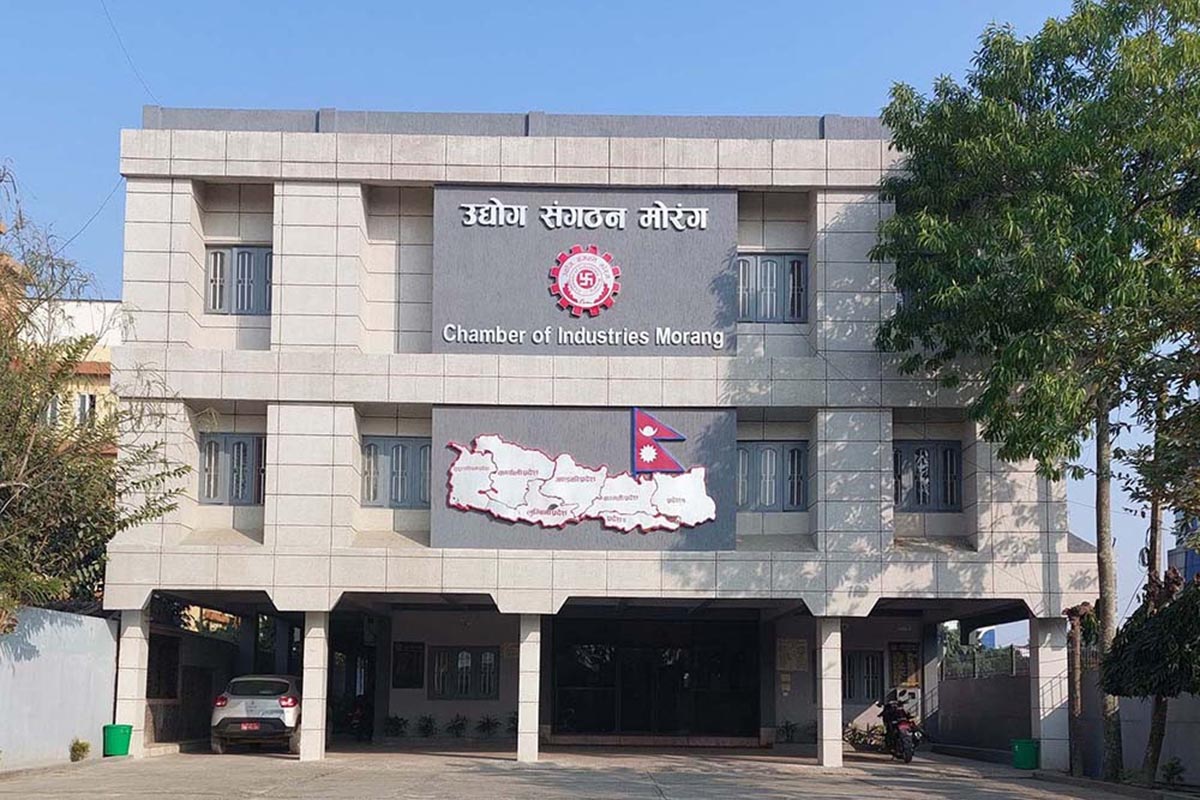
BIRATNAGAR: Chamber of Industries Morang (CIM) has urged the government to withdraw 13% value-added tax (VAT) on industrial electricity tariffs, effective July 17, stating that the VAT will harm the industrial environment.
The private sector organisation noted that electricity consumption in Nepal had been kept outside the scope of VAT for decades. It warned that imposing a 13% VAT on total electricity bills for industrial and other non-domestic consumers will adversely affect working capital, cash flow, competitiveness, and the broader investment climate.
Under the provision, industries must make an immediate extra payment of 13% each month when settling electricity bills. Although the amount can theoretically be adjusted or refunded later, cash remains blocked in the interim. This creates pressure on working capital and adds to burdens already faced by enterprises coping with delayed client payments, liquidity shortages, and high financial costs.
In a press statement, CIM stated that while input VAT credit exists in principle, industrialists face severe delays and complexity in the refund process because of state treasury conditions. Whilst funds sit inactive in the treasury, businesses must obtain working-capital loans and pay interest on the same amounts, creating a double burden.
High energy-consuming sectors, particularly steel and iron, are among the most affected. CIM cited an enterprise consuming 17 million units per month at an average rate of Rs 8 per unit, incurring a monthly energy charge of Rs 136 million. The 13% VAT therefore blocks Rs 17.68 million each month and an estimated Rs 212.16 million a year for a single enterprise. Across such sectors, total frozen working capital reaches billions of rupees.
Export-oriented industries face further disruption as exports carry a 0% VAT rate. VAT paid on electricity cannot be adjusted against sales, forcing companies to rely entirely on refunds. CIM warned that delays in refunds risk turning the tax on power into a permanent component of production costs, undermining the international competitiveness of Nepali products.
Similarly, small and cottage industries that are not registered for VAT cannot claim input tax credits. For them, the added tax becomes a direct, permanent production cost that weakens market standing. Because electricity is a fundamental factor of production, CIM said higher production costs will push up market prices and pass an additional inflationary burden onto consumers.
CIM said the measure runs counter to government policies aimed at maximising domestic hydropower utilisation, increasing electricity consumption, and reducing reliance on imported fuels. It added that the tax places extra pressure on cash flow at a time of high financial costs, stringent banking rules, and liquidity challenges in the industrial sector.
CIM President Nand Kishor Rathi urged the government to review the levy on industrial power tariffs to protect industrial development, promote investment, and safeguard domestic production capabilities. He said electricity is a vital comparative advantage for domestic businesses and its maximum use ought to be encouraged, requesting the government to withdraw the 13% VAT on electricity for the industrial sector.


-1788157009.jpg)