Major political parties pledge unity, comprehensive disaster response after Bhotekoshi flash flood

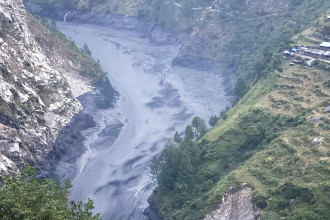
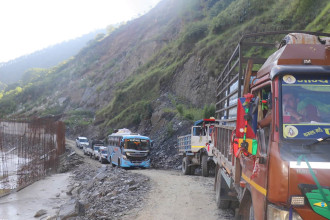
KATHMANDU: The major political parties have issued a joint appeal pledging absolute unity and a comprehensive strategy for disaster response after unexpected and devastating floods in the Bhotekoshi and other river basins along the Nepal-China border. The floods have caused immense human casualties, widespread destruction of infrastructure and a severe environmental crisis across districts including Rasuwa, Nuwakot, Dhading, Gorkha, Chitwan and Nawalparasi.
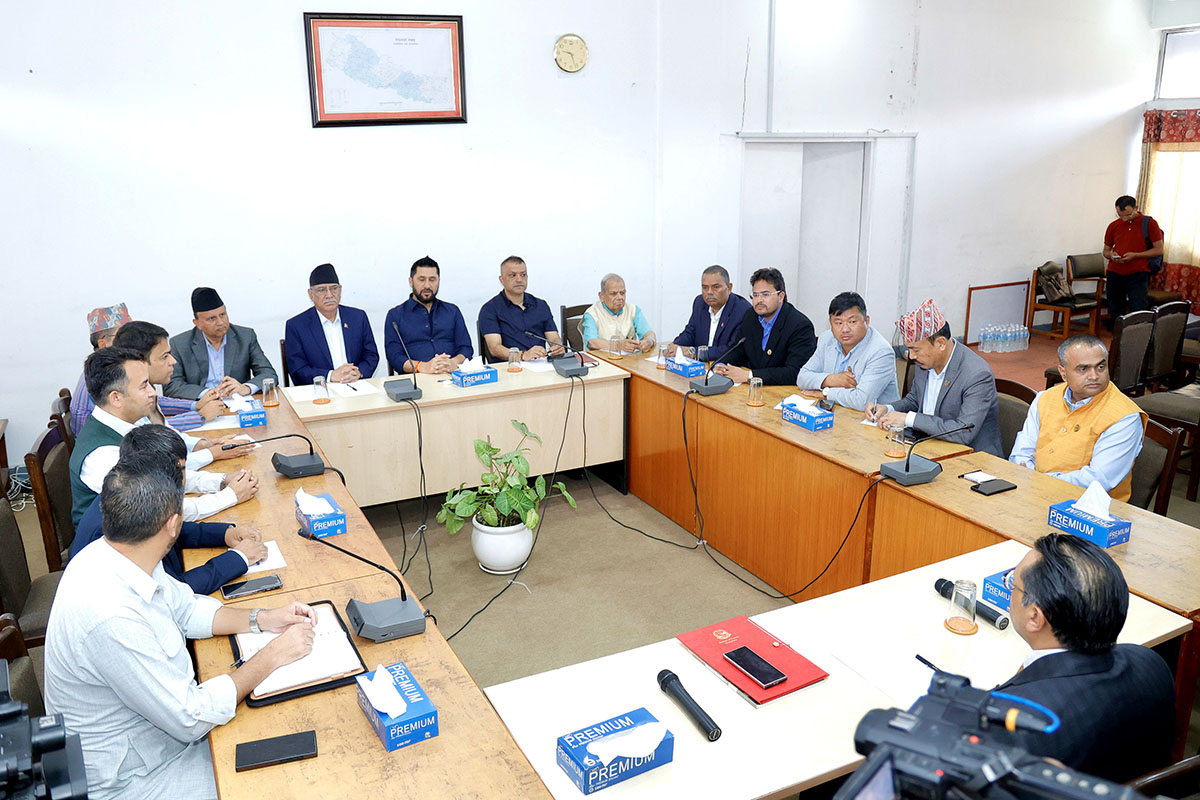
The appeal was agreed at an all-party meeting held today. At the meeting, political leaders expressed their deepest condolences to bereaved families and agreed unanimously that the state must take full responsibility for the medical treatment, care and psychosocial counselling of the injured. Recognising the disaster as a shared test for the nation, the parties committed to rising above ideological differences to place the protection of citizens' lives and national interests above all else.
To ensure a sustainable response, the parties set out 10 shared resolutions, beginning with the strict non-politicisation of relief efforts. They urged all political workers to deploy solely as humanitarian volunteers and warned that disaster assistance must not become a tool for cheap popularity. The leaders instructed their ranks and the public to adhere to a one-window system for financial collections and appealed to citizens at home and abroad to deposit financial aid exclusively into the official Prime Minister's Disaster Relief Fund, forbidding arbitrary or partisan fund collection.
The coalition addressed the flow of sensitive information, urging citizens and media outlets to rely only on verified updates and warning that misleading information and exaggerated visuals on social media could spread psychological terror and violate the privacy of affected individuals. On the ground, the parties praised local authorities as first responders and requested that rescue and relief operations prioritise vulnerable groups, notably women, children, senior citizens and people with disabilities.
Turning to environmental causes, the joint statement said glacial lakes in the Himalayas of Nepal and Tibet are at high risk of bursting because of climate change. The leaders demanded that the government immediately commence scientific mapping of risky glacial lakes within Nepal and called for high-level diplomatic initiatives with China to establish a joint technical mechanism for assessing cross-border glacial lake risks and to strengthen real-time early warning data exchange to protect downstream communities.
The parties identified the unnatural flooding and glacial lake outbursts as a direct consequence of global climate change and noted Nepal's negligible contribution to the phenomenon. They urged the government to raise the issue strongly in international forums, holding the international community and multilateral partners to account under the principle of climate justice, and appealed to the United Nations, friendly nations and the Nepali diaspora for humanitarian, technical and financial assistance.
The leaders called for a resilient reconstruction campaign without delay, demanded strict legal action and zero tolerance against anyone engaging in black marketing, creating artificial shortages or misusing relief materials, and agreed to form a parliamentary committee to advise on and monitor post-disaster reconstruction, climate adaptation and disaster policy reforms.
The statement concluded by honouring the indomitable courage of the Nepali Army, Nepal Police, Armed Police Force, Nepal, health workers, civil servants and volunteers.
The document has been signed by Rabi Lamichhane of Rastriya Swatantra Party, Gagan Thapa of Nepali Congress, Pushpa Kamal Dahal of Nepali Communist Party, Shankar Pokhrel of CPN (UML), Dhurba Rai of Shram Sanskriti Party, Rajendra Lingden of Rastriya Prajatantra Party, Upendra Yadav of Janata Samajwadi Party and Chandan Singh of Janamat Party.