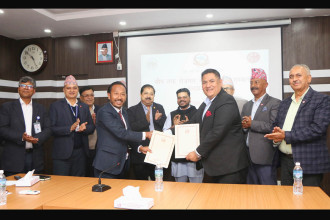
At GCN learning session, Dr Kshetri highlights role of emerging technologies in Nepal's sustainable development

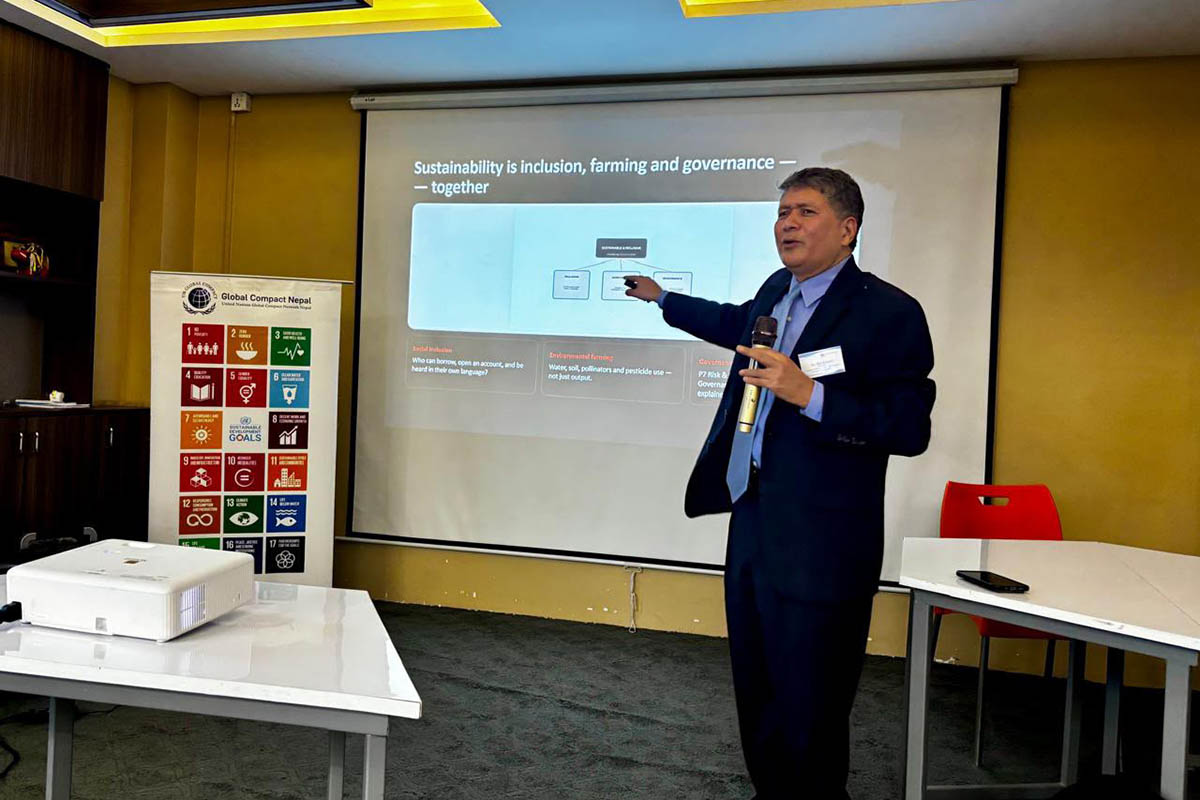
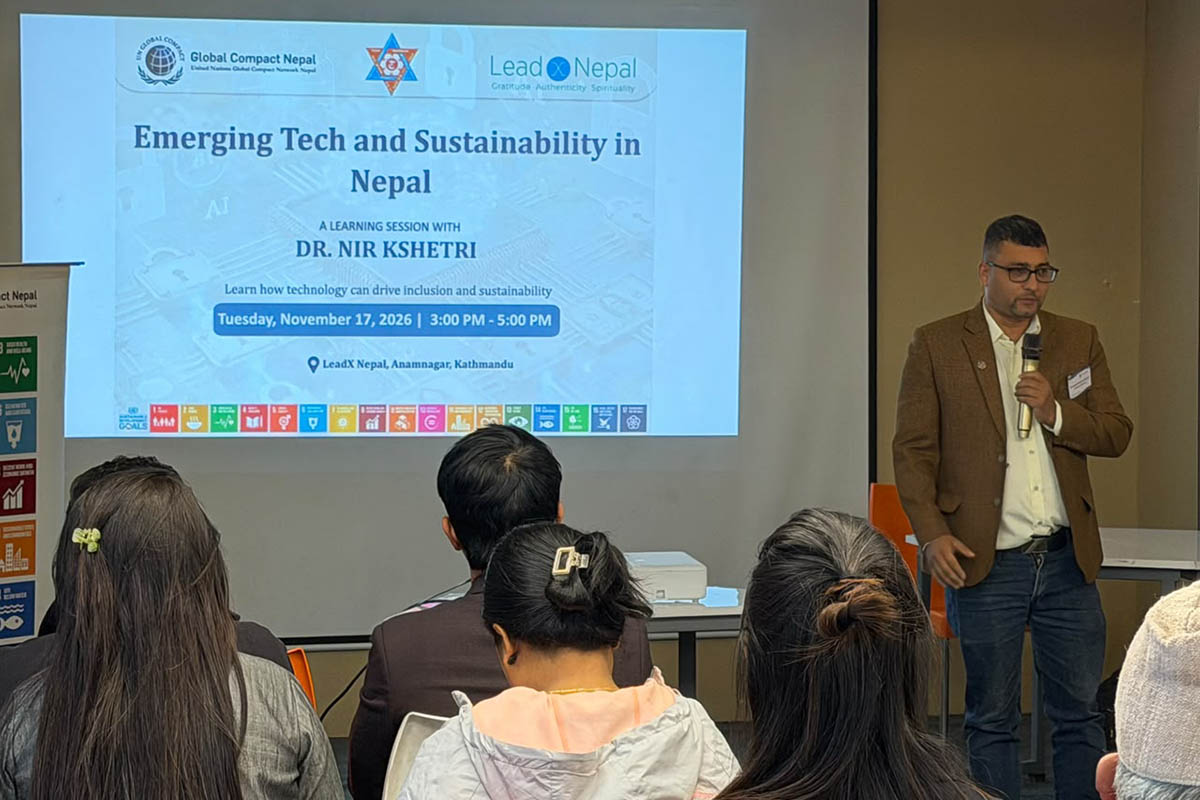
KATHMANDU: Global Compact Nepal (GCN), in partnership with the School of Management, Tribhuvan University (SOMTU) and LeadX Nepal, held a learning session in Kathmandu on Tuesday. The session featured Dr Nir Kshetri, who discussed how emerging technologies can support inclusion and sustainable development in Nepal.
Drawing on international research and practical examples, Dr Kshetri, Charles A. Hayes Distinguished Professor at the University of North Carolina at Greensboro and a Research Fellow at Kobe University, Japan, highlighted the potential of technologies such as satellites, drones, blockchain, artificial intelligence (AI) and Internet of Things (IoT) sensors to strengthen agriculture, financial inclusion, supply chain transparency and resource management.
During his presentation, Dr Kshetri shared his journey from a small village in Nepal to a career in academia and advisory work, including engagements with the Asian Development Bank. He outlined five technologies relevant to sustainable and inclusive development, noting that satellites, drones, blockchain, AI and sensor-based systems can help verify information, reduce fraud and improve resource efficiency.
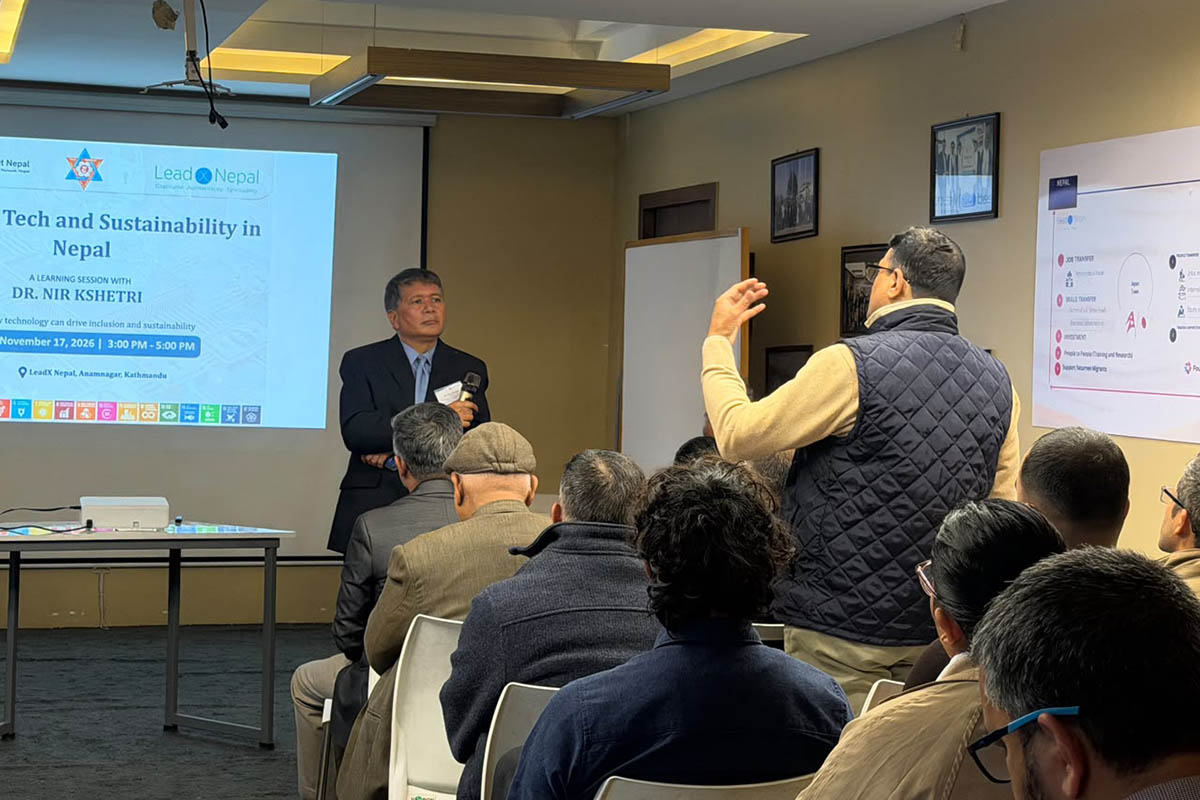
Using Nepal's coffee sector as an example, he said blockchain technology could help ensure farmers receive a fair share of value generated within supply chains. However, he cautioned that the reliability of such systems depends on the accuracy of the data entered at the source.
“Many farmers are visible to neighbours but invisible to formal systems,” Dr Kshetri said, adding that a limited credit history does not necessarily indicate an inability to repay loans.
He also warned that poorly designed data systems can reinforce exclusion through bias and stressed the importance of training AI models on local data. According to Dr Kshetri, responsible AI requires fairness, transparency, accountability and human oversight. He also announced his forthcoming book, AI for All.
Highlighting challenges associated with emerging technologies, Dr Kshetri pointed to the environmental costs of AI infrastructure. He said data centres consume substantial amounts of water and electricity, raising questions about their long-term viability in countries such as Nepal.
He urged stakeholders to consider three key questions before scaling any technology: who is included, what environmental costs are involved, and who controls the technology. He recommended beginning with small pilot projects before making larger investments in data-centre development.
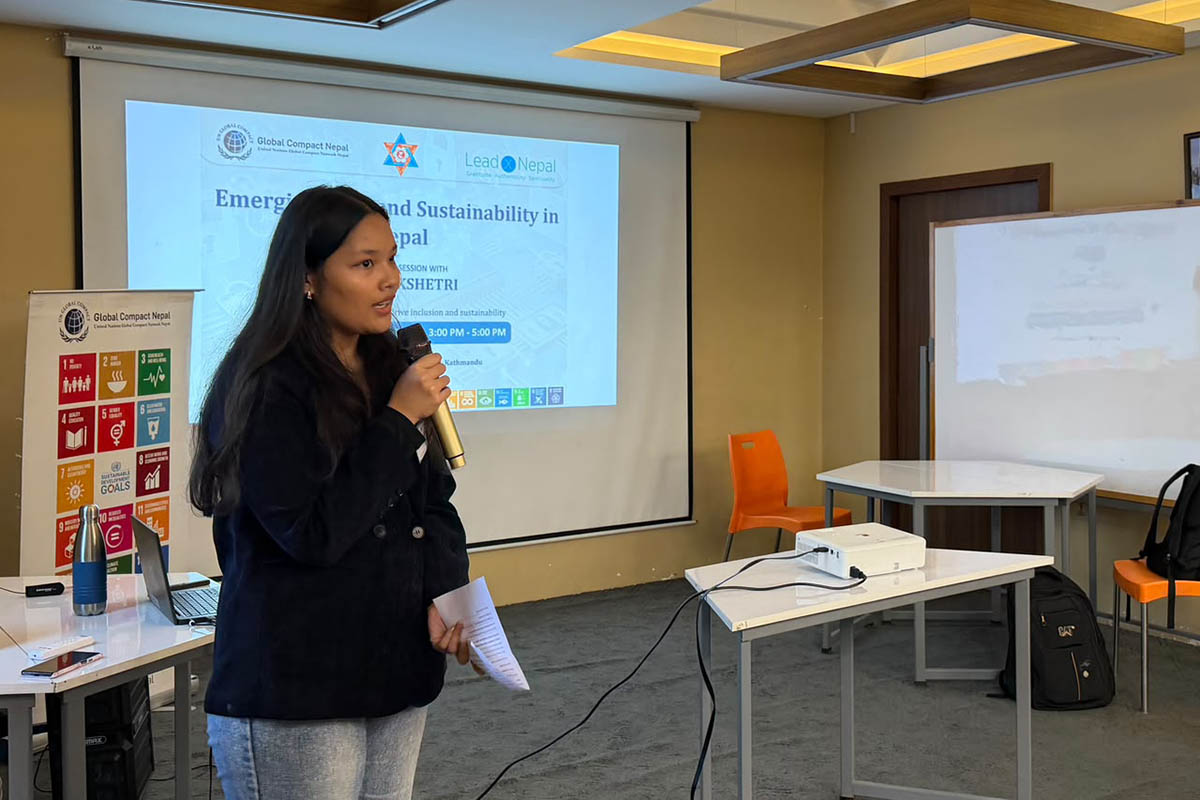
The programme opened with remarks from Narayan Krishna Kharel, General Secretary of Global Compact Nepal and Founder and CEO of Asterisk International Services. Kharel spoke about the role of technology in rural development, weather forecasting and improving agricultural productivity without compromising soil fertility. He also emphasised the importance of “brain gain”, encouraging Nepalis to acquire technological knowledge abroad and apply it at home.
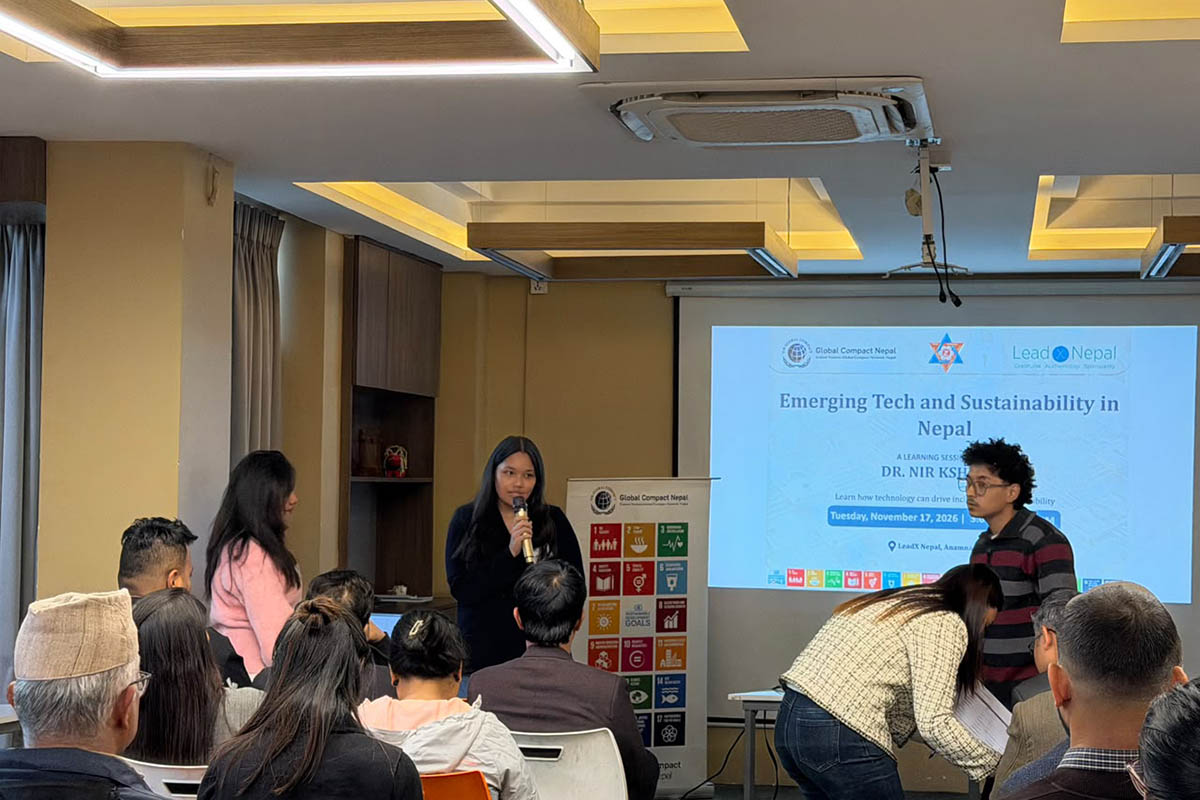
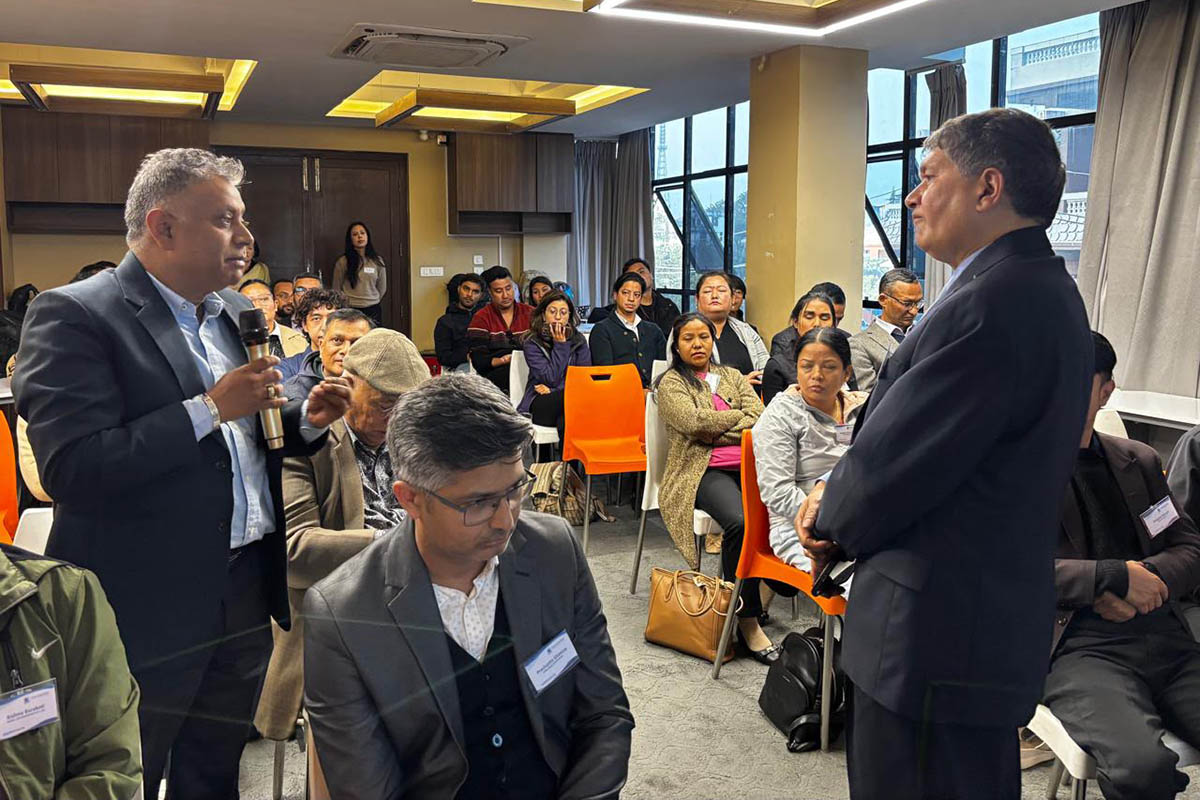
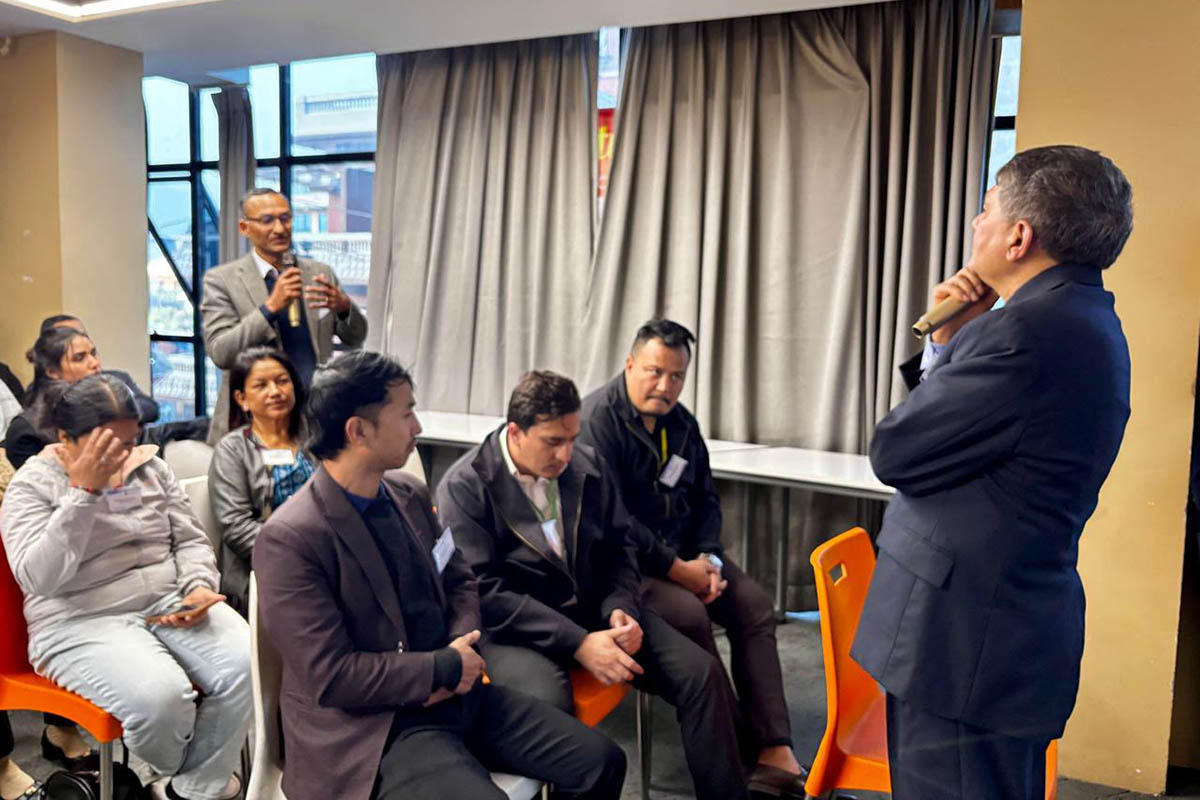
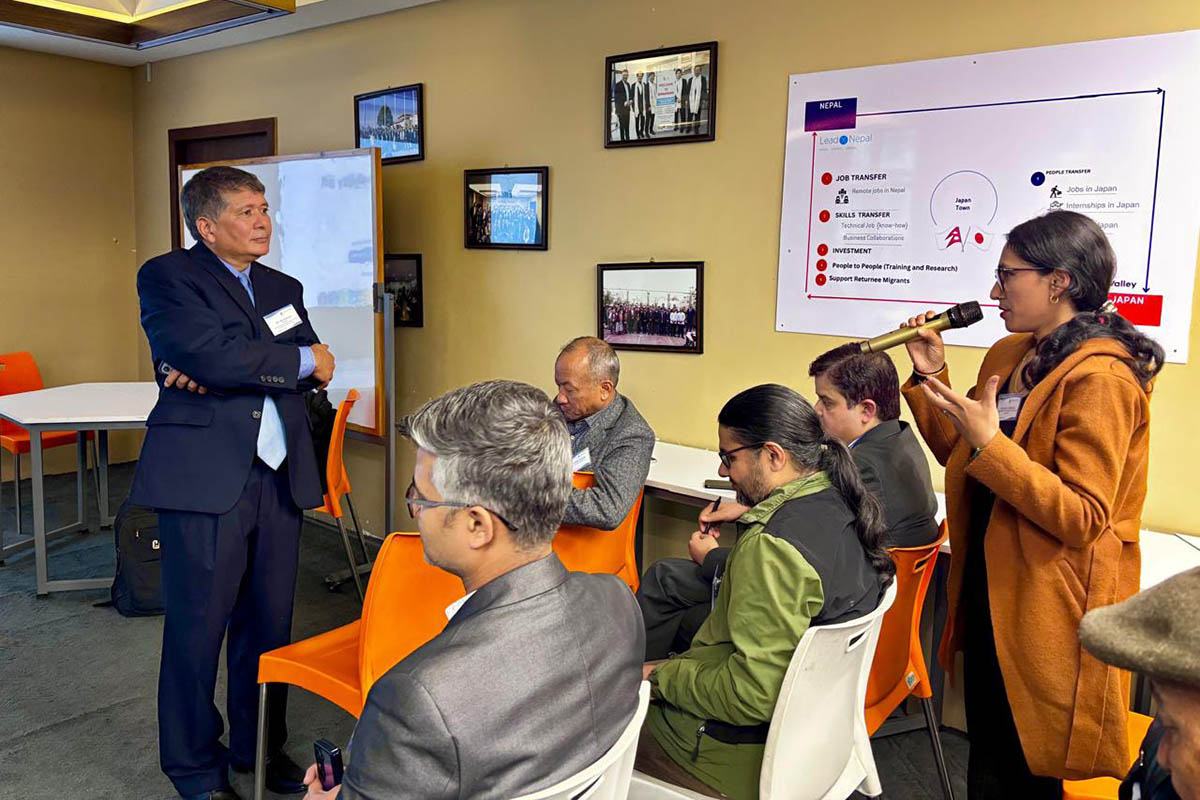
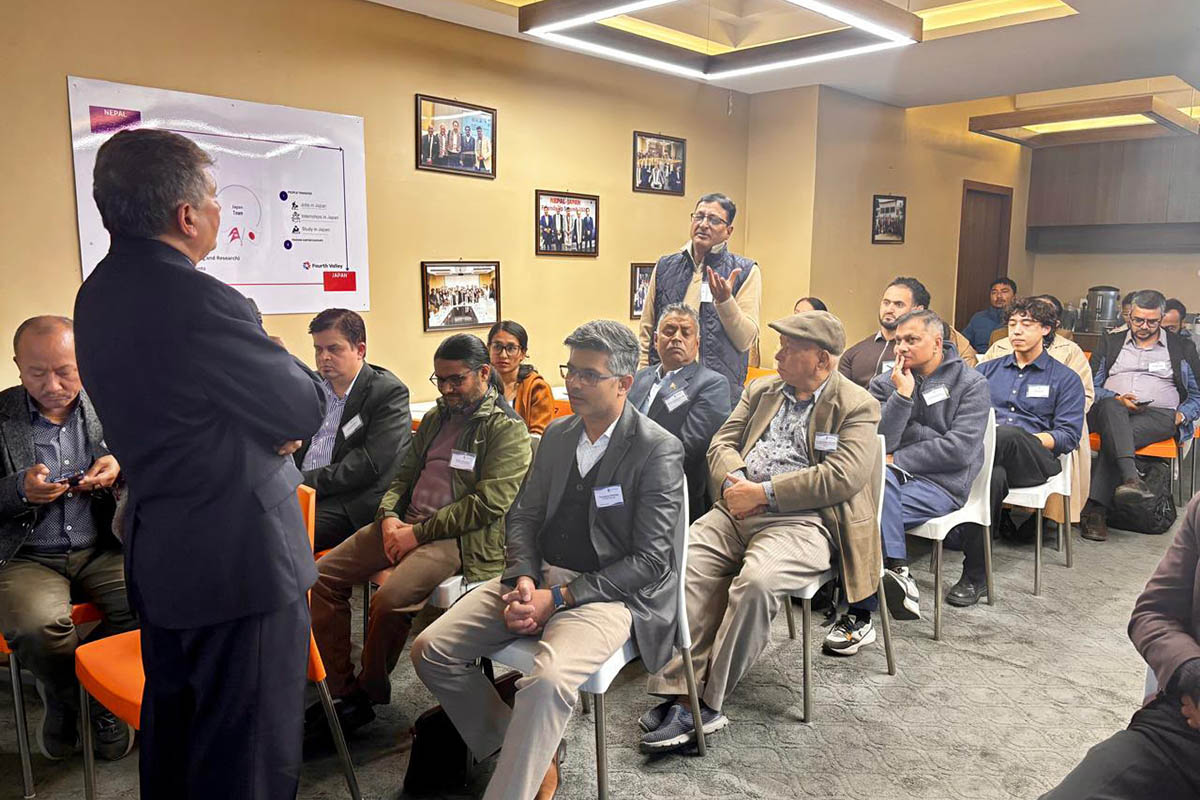
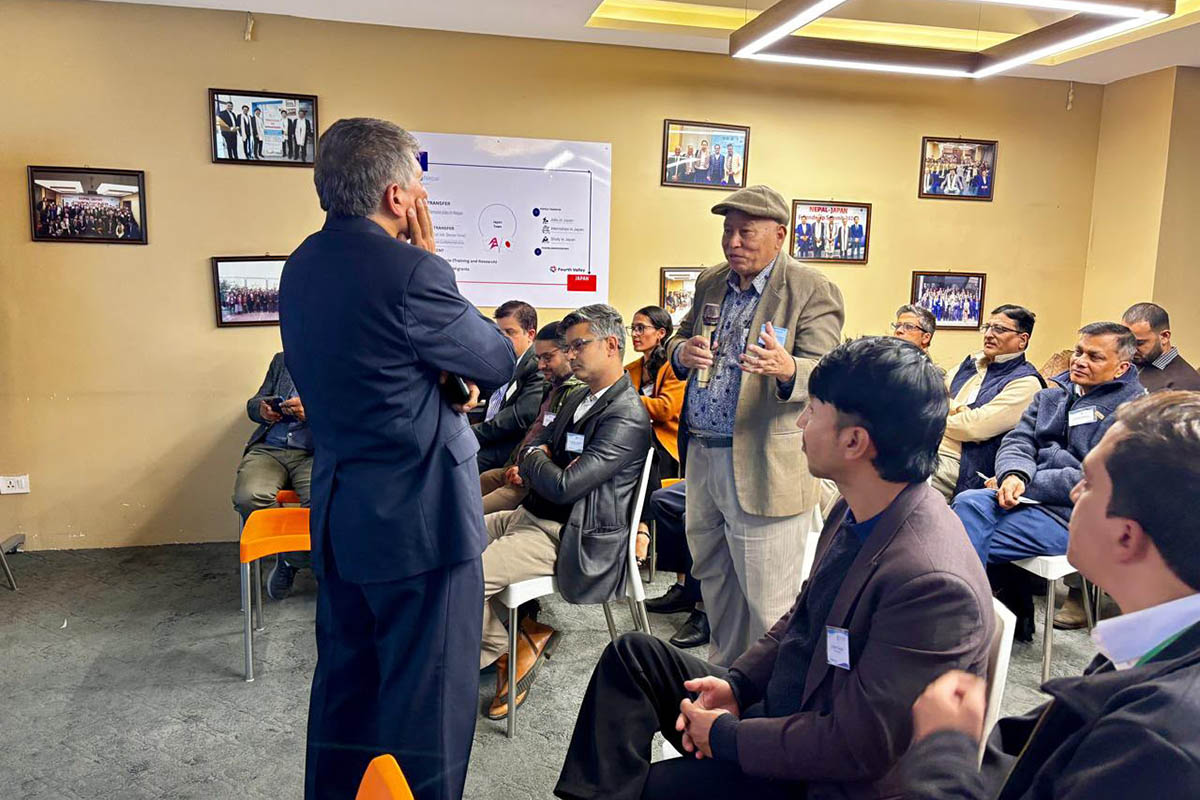
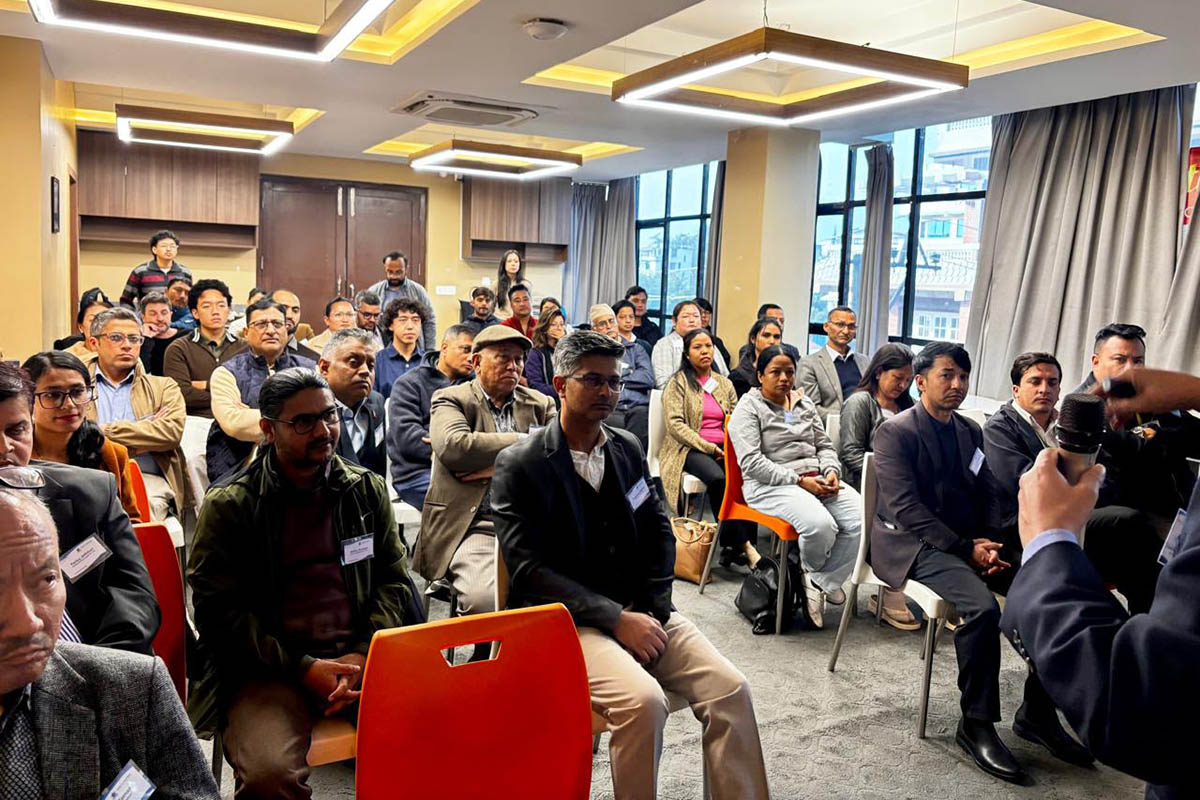
The event also included an interactive question-and-answer session, during which participants sought views on the use of AI-enabled sensors, blockchain applications and machine-learning models for development projects and research.
Responding to a question from a representative of CAFODAT College working on a solar dryer project for women producers, Dr Kshetri explained that AI-enabled sensors can automate functions such as switching equipment on and off. He also noted that AI can help predict equipment failures and provide timely alerts to prevent greater damage.
Answering a question from Samip of Green Decisions, a GCN member company, he said blockchain differs from conventional websites because information is shared collectively across participating organisations and computers, helping to strengthen trust and verification.
Prerana Shrestha of GhamPower Nepal asked how AI and machine-learning models could support the organisation's projects and her research on invasive plant species. Dr Kshetri said the subject was outside his core area of expertise but noted that Nepal could learn from experiences in countries such as Kenya and Nigeria, where significant data-driven work is being undertaken.
Govinda Tamang, Director of the School of Management, Tribhuvan University, delivered the vote of thanks. He highlighted the importance of creating employment opportunities in Nepal, reducing brain drain and testing data-centre projects on a smaller scale before expansion. Tamang also announced a new SOMTU course that incorporates sustainability.
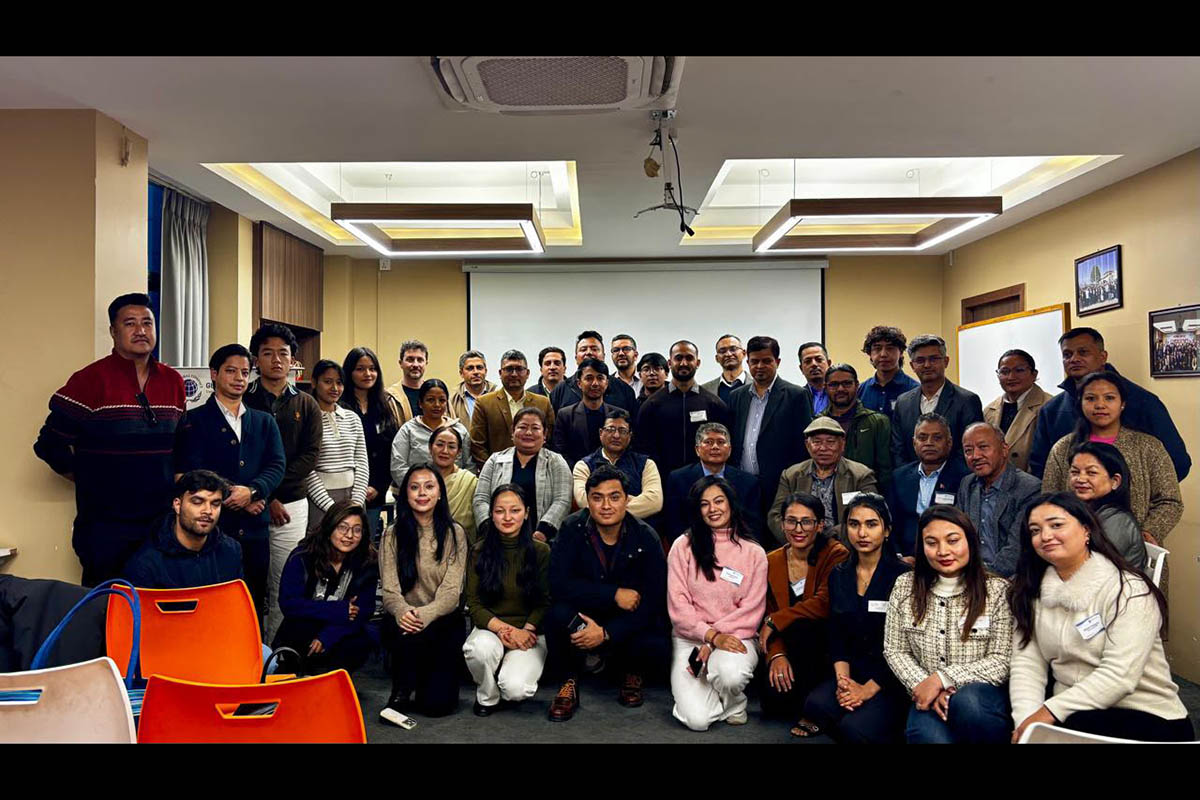
According to the organisers, insights from the session will contribute to GCN's ongoing and future initiatives, including its Sustainable Taskforce. More than 30 participants attended the event, which was hosted at LeadX Nepal's premises in Anamnagar.