Govt developing new energy mix framework for 30,000MW target

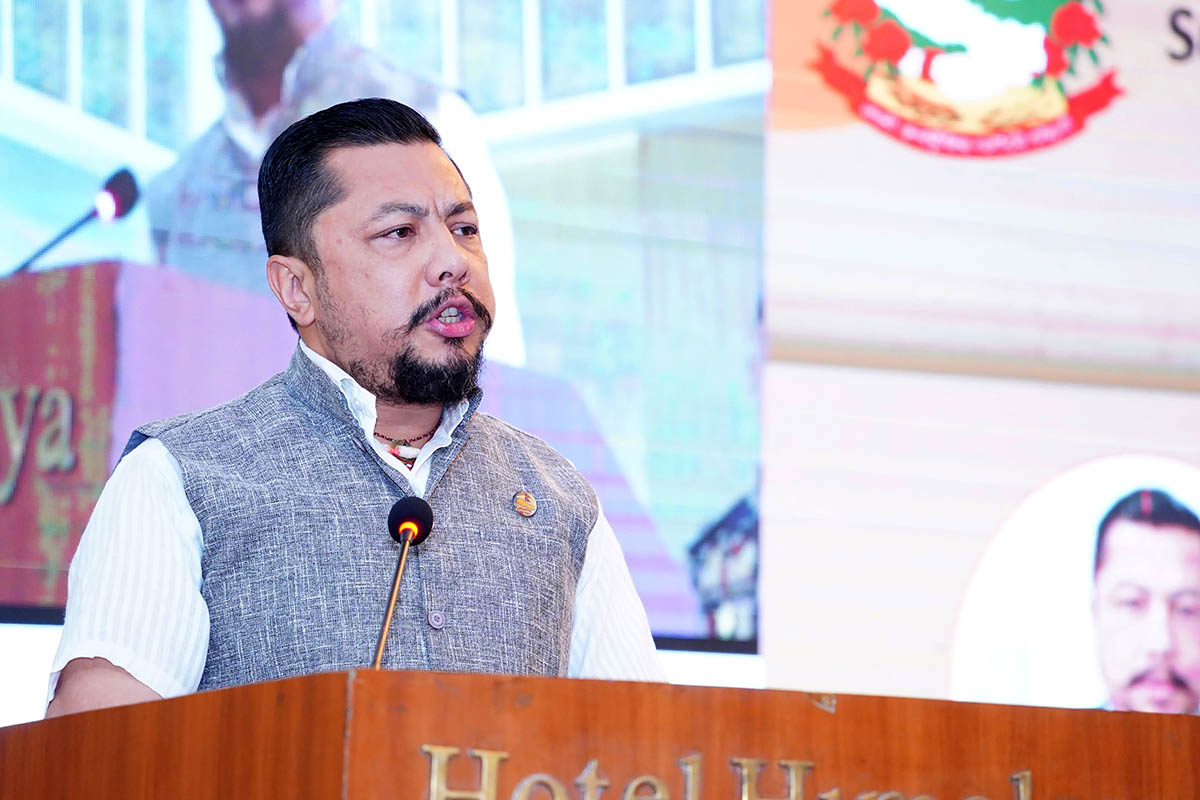
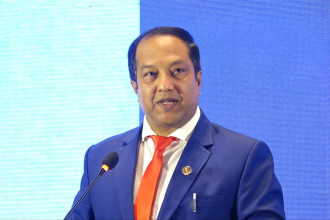
KATHMANDU: The government has started the process of preparing a new energy mix framework in line with its goal of producing 30,000MW of electricity over the next 10 years. According to the private secretariat of Minister for Energy, Water Resources and Irrigation Biraj Bhakta Shrestha, the framework is expected to make it easier to resume the long-stalled power purchase agreement (PPA) process once it is prepared.
The Ministry of Energy, Water Resources and Irrigation has begun preparing the framework to determine the proportion of electricity to be generated from hydropower, solar, wind and other alternative energy sources.
The framework will determine the type and scale of energy projects needed over the coming decade. It will also set the share of electricity to be generated from run-of-the-river, semi-reservoir, reservoir, pumped-storage, solar, wind and other alternative energy sources. The ministry says this will help map out the country's long-term energy needs and production structure.
Once the framework is prepared, the Nepal Electricity Authority (NEA) will be able to move forward with the PPA process based on the nature and needs of projects. This is expected to bring projects totalling thousands of megawatts, currently awaiting investment, into the development stage.
Previously, the energy mix was determined based on a target of producing 15,000MW of electricity. Now that the government has set a new target of 30,000MW, a new framework is being developed, as the old ratios would not be able to meet long-term needs.
Nepal's total installed electricity generation capacity currently stands at 4,200MW. Most of this electricity comes from run-of-the-river hydropower projects. Since these projects produce more electricity during the rainy season and less in winter, the government sees a need to diversify energy sources to reduce seasonal imbalances.
Merely expanding production capacity would not be enough to achieve the 30,000MW target. Domestic electricity consumption needs to increase, transmission infrastructure needs to be expanded, and cross-border electricity trade has to grow simultaneously. Ensuring electricity availability according to seasonal demand and expanding export markets are also challenges.
As Nepal is expanding the possibility of exporting electricity to Bangladesh along with India, it is expected that a balanced energy mix will help increase the production of exportable electricity. This could also expand opportunities to earn foreign currency through electricity trade.