AI’s impact could worsen gaps between world’s rich and poor, says a UN report

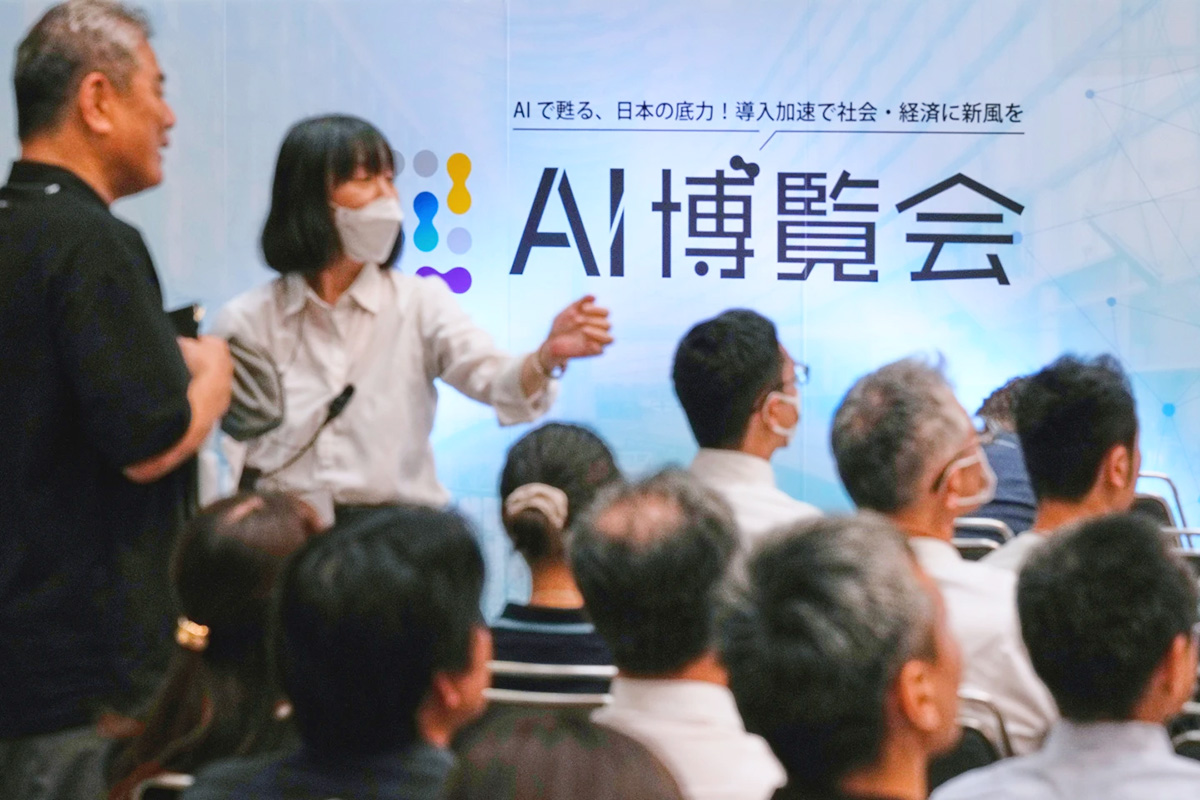
BANGKOK: Behind the hoopla over the promise of artificial intelligence lie difficult realities, including how such technology might affect people already disadvantaged in a data‑driven world.
A new report by the United Nations Development Programme (UNDP) notes that most of the gains from AI are likely to be reaped by wealthy nations unless steps are taken to use its power to help close gaps in access to basic needs and advanced know‑how.
The report, released on Tuesday, likens the situation to the “Great Divergence” of the industrial revolution, when many Western countries saw rapid modernisation while others fell behind.
Questions over how companies and other institutions will use AI are a near‑universal concern given its potential to change or replace some jobs done by people with computers and robots, the report says.
While much of the attention devoted to AI focuses on productivity, competitiveness and growth, the more important question is what it will mean for human lives, the authors note.
The issue affects communities where most people are still struggling to access skills, electricity and internet connectivity, older people, and those displaced by war, civil conflict and climate disasters. At the same time, such people may be “invisible” in data that will not take them into account, the report adds.
“As a general‑purpose technology, AI can lift productivity, spark new industries, and help latecomers catch up,” the report says.
It highlights potential benefits such as better advice on farming, analysis of X‑rays within seconds and faster medical diagnoses, more effective weather forecasts and improved damage assessments for rural communities and areas prone to natural disasters.
“AI systems that analyse poverty, health, and disaster risks enable faster, fairer, and more transparent decisions, turning data into continuous learning and public value,” the report states.
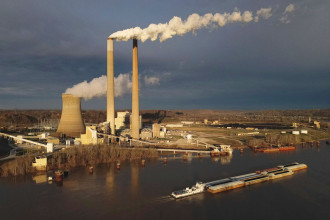
Still, even in wealthy nations such as the United States, the potential for data centres to consume a disproportionate share of electricity and water has raised concerns. Ramping up power generation to meet higher demand may hinder progress in limiting carbon emissions from burning fossil fuels that contribute to global warming, while also causing health hazards, the report warns.
The technology raises ethical, privacy and cybersecurity concerns: researchers have found hackers using AI to automate portions of cyberattacks, and deepfakes can misinform or facilitate criminal activity.
Asian nations including China, Japan, South Korea and Singapore are well placed to take advantage of AI tools, the report notes, while places such as Afghanistan, the Maldives and Myanmar lack the skills, reliable power and other resources needed to tap into AI’s computing potential. Inequalities between regions within countries mean some areas, even in advanced economies, are at risk of being left behind.
About a quarter of the Asia‑Pacific region lacks online access, the report says. If such gaps are not closed, many millions may be excluded from devices, digital payment systems, digital IDs and the education and skills required to participate fully in the global economy, leaving them “stranded on the wrong side of an AI‑driven global economy,” it warns.
Other risks include misinformation and disinformation, surveillance that violates rights to privacy and systems that can act as “black boxes,” reinforcing biases against minorities or other groups. The report says transparency and effective regulation are crucial guardrails to ensure AI is used in fair and accountable ways.
“AI is becoming the region’s next essential infrastructure, like power, roads and schools, with faster upsides and sharper risks,” the report says, urging governments to invest more in digital infrastructure, education and training, fair competition and social protections.
“The goal,” it concludes, “is to democratise access to AI so that every country and community can benefit while protecting those most at risk from disruption.”
By RSS/AP