Vijayanamaran Shanmugam on Transforming Lumbini into a Global Wellness Destination

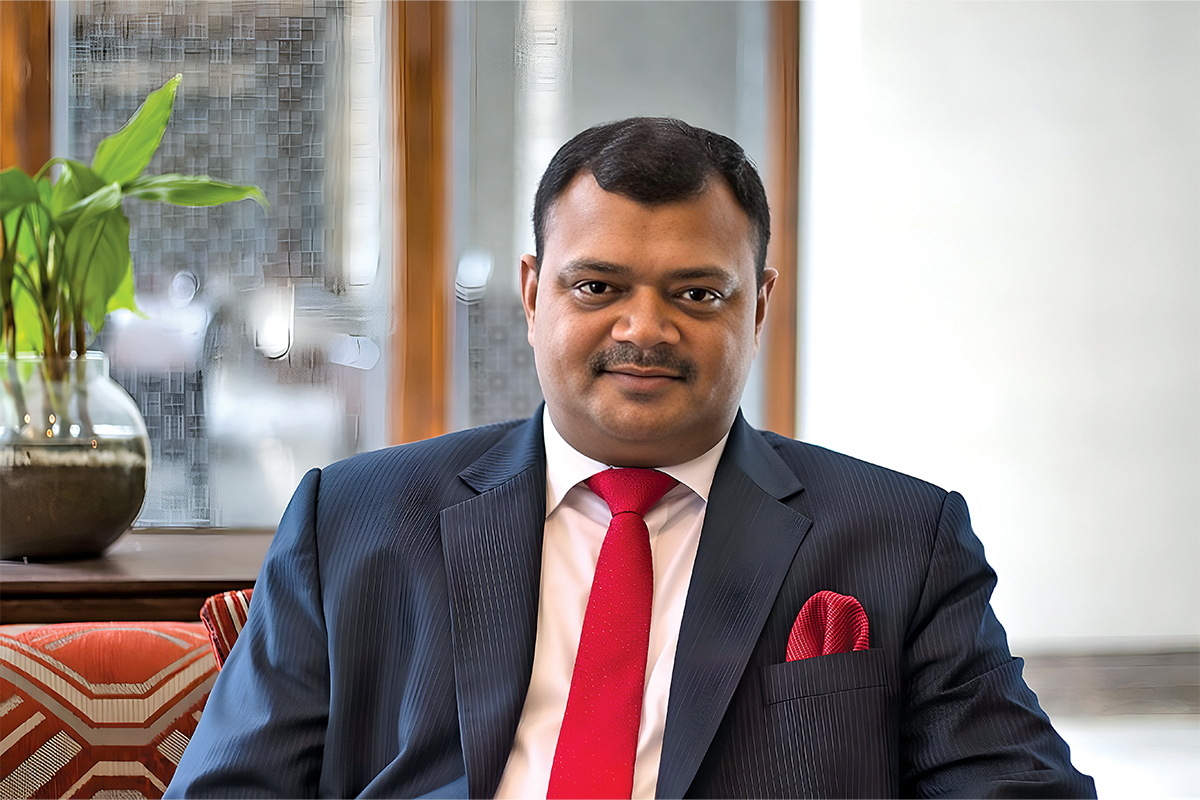
Vijayananmaran Shanmugam
Vice President - Operations & Asset Development, Lumbini Palace Resort
A seasoned hospitality leader with over 25 years of global experience, Vijayanamaran Shanmugam is a specialist in pre-opening excellence and operational turnarounds. Having held pivotal leadership roles with major international chains including Accor, IHG and Starwood, he has successfully managed complex assets across Nepal, India and the Middle East.
Numerous accolades including being honoured as the ‘Best Emerging General Manager of Nepal’ and recognised as an IHG ‘Next Generation Leader’ are testaments to his focus on operational precision and professional excellence.
Currently the Vice President of Operations & Asset Development at Lumbini Palace Resort, Shanmugam is spearheading the property’s landmark rebranding into the Lumbini Marriott Resort & Spa, Marriott’s first venture outside Kathmandu Valley.
In this edition of Business 360, Shanmugam discusses the strategic vision behind this transformation, the integration of eco-luxury wellness and his commitment to elevating Lumbini into a premier global destination. Excerpts:
Lumbini Palace Resort has signed a management deal with Marriott International. What drove this decision, and what does Marriott bring that aligns with your long-term plans?
The decision to partner with Marriott International reflects a strategic vision to elevate Lumbini Palace Resort to global recognition while honouring the spiritual and natural significance of Lumbini. The region calls for hospitality that meets international standards while remaining authentic, mindful and culturally rooted.
Marriott brings world-class operational expertise, a trusted global brand and access to discerning travellers seeking meaningful, experience-driven stays. Their leadership in luxury resorts, wellness hospitality and sustainable practices aligns seamlessly with our ambition to develop a refined eco-luxury and wellness destination.
Rebranding as Lumbini Marriott Resort & Spa is more than a name change; it marks a transformation in guest experience, service standards, design and international visibility positioning Lumbini as a premium destination for leisure, wellness and cultural exploration while supporting regional tourism and community growth.
This will be Marriott’s first property outside Kathmandu Valley. From your perspective, how significant is this step for both Lumbini and Nepal’s hospitality sector?
This development is a landmark moment for both Lumbini and Nepal’s hospitality landscape. Marriott’s first property outside Kathmandu Valley signals growing global confidence in emerging destinations that offer depth, authenticity and cultural richness.
Lumbini embodies values of peace, reflection and mindful living, attracting travellers seeking more than conventional sightseeing. Introducing a globally recognised brand allows the destination to evolve while maintaining its essence, offering world-class comfort alongside serenity, wellness and cultural sensitivity.
For Nepal’s hospitality sector, this move sets a benchmark for quality and operational excellence, encourages decentralised tourism growth, attracts international investment, and demonstrates that Nepal can offer globally competitive, meaningful hospitality experiences beyond the capital.
How do you see this rebranding changing the perception of Lumbini, not just as a pilgrimage site but as a tourism destination?
Rebranding as Lumbini Marriott Resort & Spa expands Lumbini’s narrative from a pilgrimage focused destination to a multidimensional tourism hub. While spiritual journeys remain central, the resort introduces refined leisure, wellness and high-quality hospitality experiences.
This broader positioning appeals to wellness seekers, experiential travellers, destination wedding guests and international visitors who value comfort, design and service excellence. The presence of a globally trusted brand fosters confidence, encourages longer stays and invites immersive engagement with the region.
The resort presents Lumbini as a destination where tranquility meets sophistication, blending heritage, nature, wellness and contemporary luxury, while remaining respectful of its deeper cultural significance.
The project includes unique features: a water-based resort concept, wellness facilities and eco-friendly elements. What kind of guest experience are you ultimately trying to create?
The experience at Lumbini Marriott Resort & Spa is designed as a journey, one that unfolds through water, wellness, nature and thoughtful design. As Nepal’s first five-star water-based resort, it features musical fountains, immersive 3D water screens, boating experiences, mini cruises and dedicated water-based dining and spa venues creating a setting that feels both futuristic and tranquil.
Wellness forms the heart of the resort, extending beyond luxurious spa offerings to include organic living, naturotherapy and environments that naturally encourage mindfulness and balance. Meditation zones, open landscapes and wellness-focused design allow guests to disconnect and reconnect seamlessly.
Sustainability underpins every layer. As a Green Certified (Gold) eco-resort, the property integrates international environmental standards while delivering multi-specialty experiences in wellness, sports, culture and leisure. The ultimate goal is to provide an immersive, memorable and meaningful stay where global hospitality standards meet serenity, innovation and purpose.
Lumbini holds deep spiritual and cultural significance. How are you ensuring that luxury development respects and complements the essence of the birthplace of Lord Buddha?
Respecting Lumbini’s spiritual and cultural essence is central to the resort’s development. Lumbini Marriott Resort & Spa is designed to complement, not compete with, the deeper meaning of the destination through spaces that embody peace, balance and mindfulness.
The resort incorporates meditation zones, cultural centres and a thoughtfully curated Buddha Theme Park featuring mini stupas and a Buddha museum, allowing guests to engage with heritage in a meaningful way. Architecture and landscaping are intentionally restrained and harmonious, ensuring that luxury feels calm, understated and reflective.
Service philosophies reinforce this approach, emphasising attentiveness, respect for the environment and quiet excellence. By combining cultural sensitivity, sustainability and global luxury standards, the resort enhances Lumbini’s spiritual atmosphere while preserving authenticity for generations to come.
What kind of economic impact do you foresee locally, in terms of employment, skills development and opportunities for local suppliers?
The resort is expected to generate substantial local economic benefits. Employment opportunities will span hospitality operations, wellness, maintenance and management, creating both entry-level and long-term career paths for surrounding communities.
Skills development is a key focus. Local talent will gain exposure to global best practices through structured training, mentorship and operational guidance, building a stronger, more capable workforce for the wider hospitality sector.
Additionally, the resort actively integrates local suppliers, from organic agriculture to handicrafts, into its operations. This approach strengthens the local economy, promotes inclusive growth and preserves regional character while supporting sustainable development.
Sustainability is increasingly central to tourism. How are you balancing growth, environmental responsibility and proximity to a heritage zone like Lumbini?
Sustainability is a guiding principle for Lumbini Marriott Resort & Spa, particularly given its location near a globally significant heritage site. Growth is designed to be thoughtful, enhancing the destination without overburdening its environment or cultural fabric.
The resort is a Green Certified (Gold) eco-resort, adhering to international standards for energy efficiency, water management, waste reduction and responsible resource use. Design, landscaping and guest experiences are carefully calibrated to feel harmonious and respectful, complementing rather than intruding on the heritage zone.
By combining environmental stewardship with luxury tourism, the resort demonstrates that growth, responsibility and cultural sensitivity can coexist protecting Lumbini’s legacy while providing exceptional guest experiences.
You have also indicated plans related to public investment and long-term expansion. How does this project fit into the broader growth strategy of Lumbini Palace Resort?
This project is a cornerstone of Lumbini Palace Resort’s long-term growth strategy. The partnership with Marriott International and the transition to a five-star positioning represent a phased and strategic approach to building a resilient, future-ready hospitality platform rooted in global standards.
By strengthening governance, operational systems and brand credibility, the resort is laying a solid foundation for sustainable expansion. These efforts enable continued reinvestment in infrastructure, talent development and innovation, ensuring long-term operational excellence and consistency.
Looking beyond a single property, the broader vision encompasses multi-specialty tourism, wellness, sports and curated experiential offerings. Together, these initiatives position Lumbini Palace Resort as a professionally managed, scalable enterprise, one that is well-equipped to contribute meaningfully to Nepal’s evolving tourism economy over the long term.