Nepal moves to implement ethanol blending in petrol, aiming to save Rs 6 billion annually

Kathmandu: Nepal has formally approved the blending of ethanol in petrol, with the government projecting annual savings of around Rs 6 billion through reduced fuel imports.
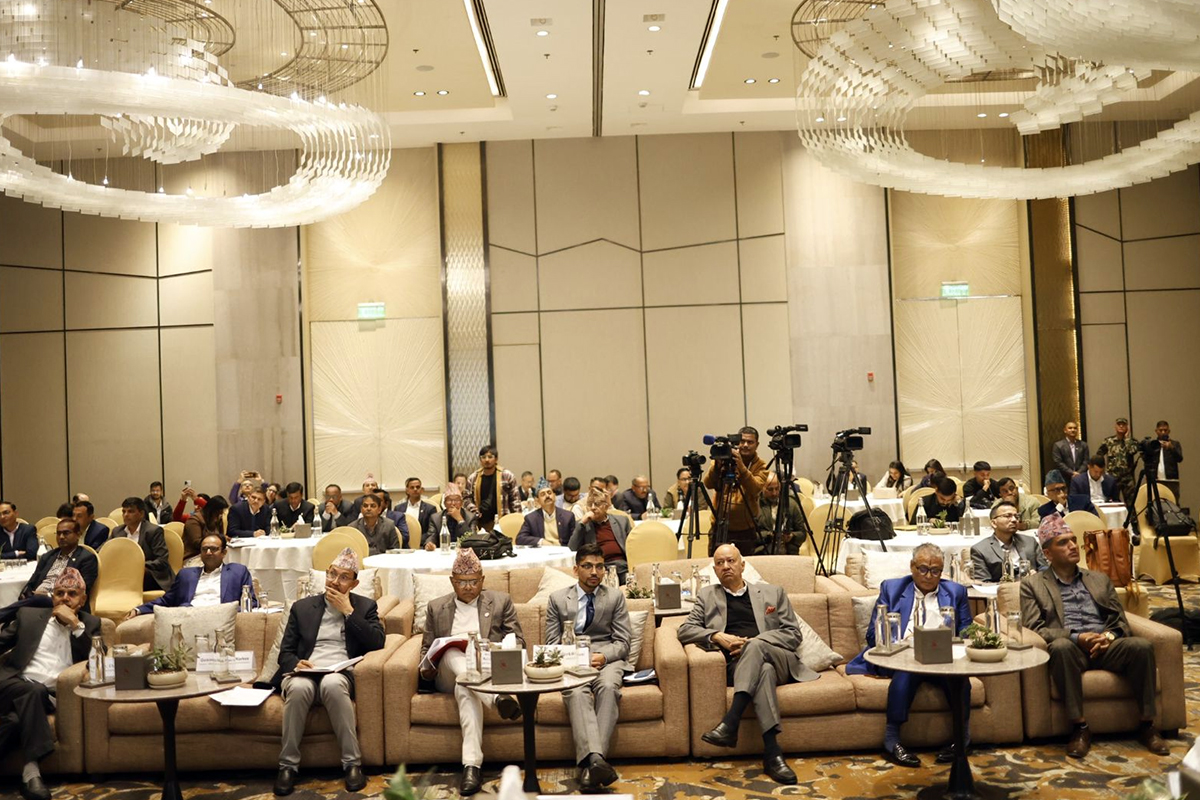
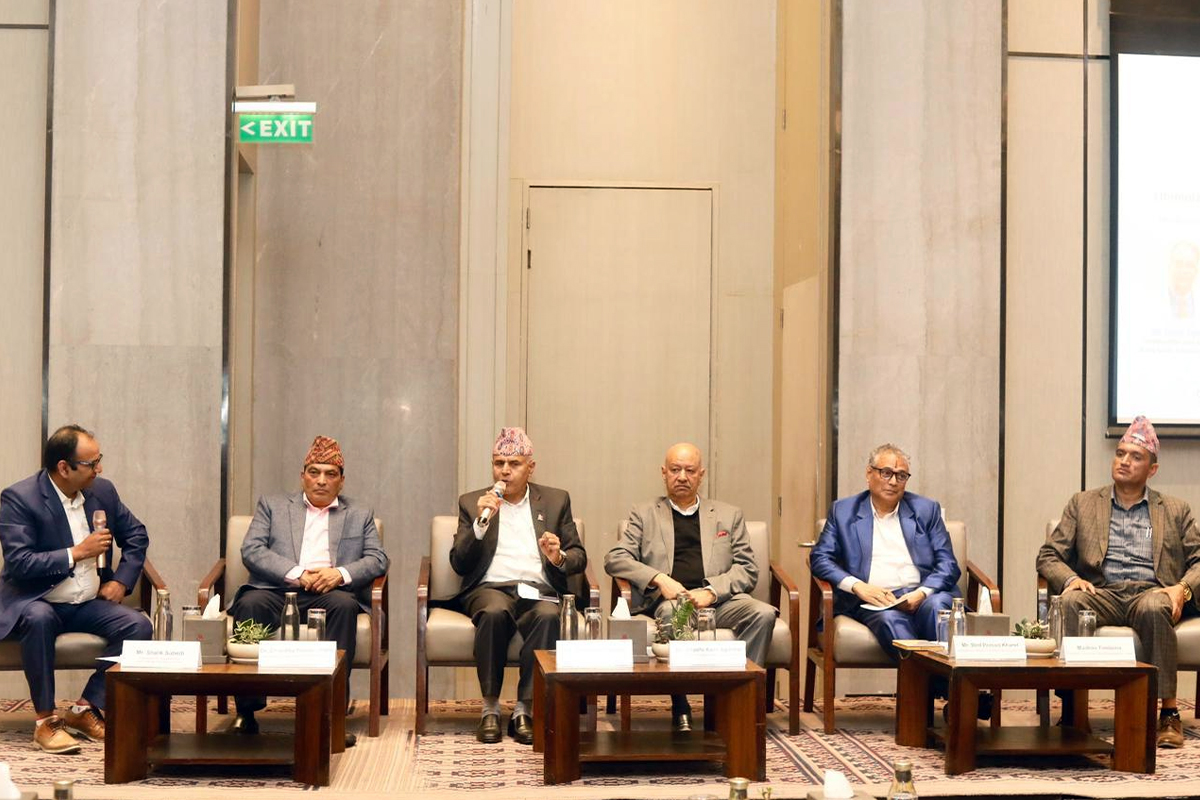
At a programme organised by the Society of Economic Journalists-Nepal on Sunday, officials said the Cabinet had endorsed the “Formation Order on Blending Ethanol in Petrol and Its Use, 2082”, paving the way for the implementation of a long-discussed policy.
Minister for Industry, Commerce and Supplies Anil Kumar Sinha said blending up to 10 per cent ethanol could reduce petrol imports by approximately 130 million litres each year, easing pressure on foreign exchange reserves and supporting domestic economic activity. He described the move as a step towards cleaner energy and greater fuel security, while acknowledging challenges in investment, industrial readiness and raw material supply.
Govinda Prasad Karki, Secretary at the Office of the Prime Minister and Council of Ministers, said the directive clarifies provisions related to raw materials, pricing mechanisms, quality control and the role of the Nepal Oil Corporation (NOC). He said the decision followed an assessment of both benefits and risks.
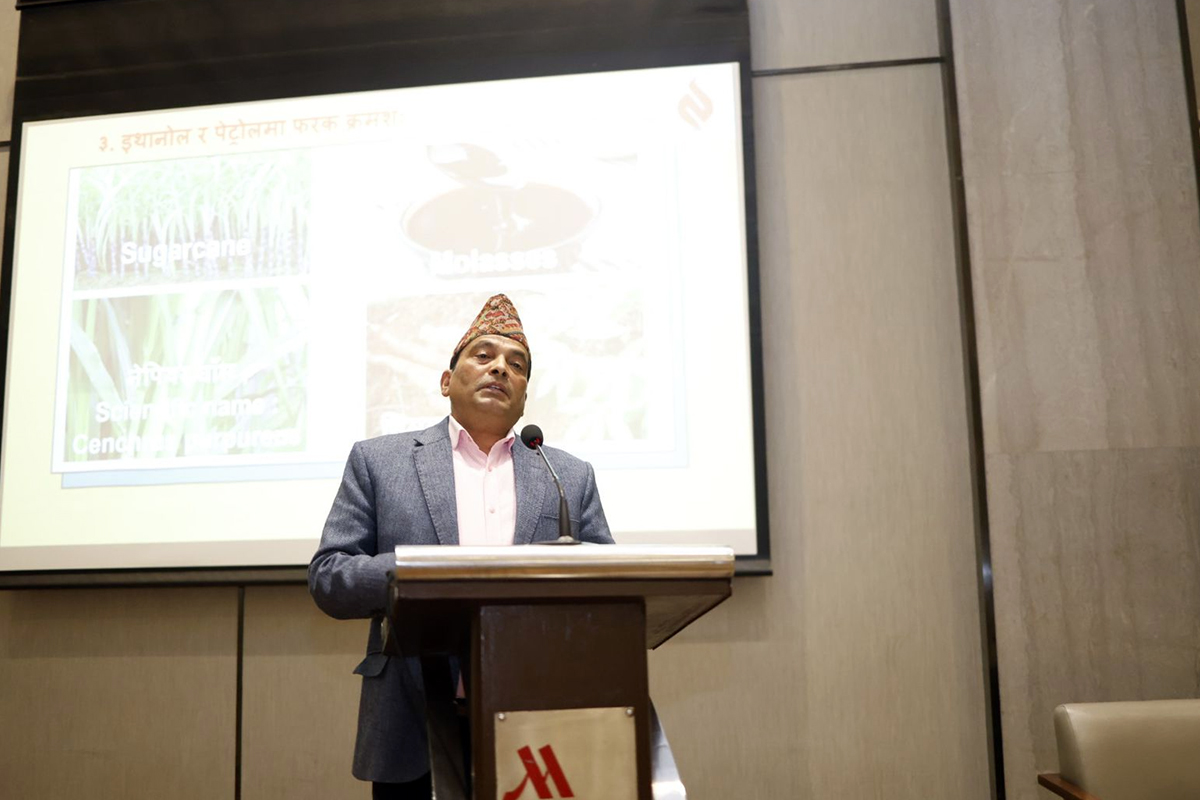
According to NOC Managing Director Dr Chandika Prasad Bhatta, ethanol may be produced from molasses, agricultural residues and biomass waste, but not from food grains meant for human consumption. Producers will be required to sell ethanol exclusively to NOC. A committee led by the Industry Ministry Secretary will recommend pricing, subject to Cabinet approval.
Officials said the policy could help cut carbon emissions and narrow the trade deficit. However, concerns remain over price competitiveness, limited domestic production capacity and the need for clear working procedures.
Consumer rights advocates have called for strict quality monitoring and transparency on the impact of ethanol blending on vehicle performance, while private sector representatives said delays in finalising operational guidelines continue to hinder investment.
-1791357574.jpeg)