
'Democracy cannot be separated from voting, but voting alone is not democracy'
-1772534372.jpeg)
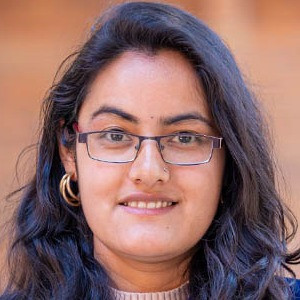
KATHMANDU: Samriddhi Foundation organised Sambad@Samriddhi with Akriti Ghimire, founder of How to Desh Bikas, in Kathmandu on Friday. Speakers at the event warned that voting alone does not guarantee a healthy democracy.
At the event, Ghimire said voting is essential but insufficient on its own. “Democracy cannot be separated from voting, but voting alone is not democracy,” she said, urging citizens to remain engaged and informed about laws and electoral processes long after election day.
She said that unequal access to state services is eroding democratic norms. Many citizens face difficulties obtaining essential documents, finding employment, or accessing local development benefits, she said, and in some areas, political affiliation or personal connections appear to determine who receives help.
“When basic services begin to depend on political loyalty, democracy becomes conditional,” Ghimire said, arguing that politicised access undermines public trust and the principle of equal citizenship.
The discussion also focused on youth participation. Contrary to perceptions of apathy, Ghimire said many young people want to engage but lack clear platforms and accessible information. Repeated unfulfilled promises and limited democratic spaces, she added, contribute to frustration and lower visible engagement.
“It is not that young people do not care; it is that the system often does not make space for them to participate meaningfully,” Ghimire said, noting that structural barriers — not disinterest — often explain low youth turnout.
-1772534372.jpeg)
Voter responsibility was another theme. Experts at the discussion urged citizens to scrutinise party manifestos, timelines, and funding sources for ambitious projects before voting. “Voters must ask: Where is the money coming from? What is the implementation plan? Is this realistic within five years?” Ghimire said, stressing that informed voting requires critical evaluation of promises.
She also called on political parties to be transparent and realistic in their commitments, and to explain trade-offs honestly to the electorate.
Disillusionment after elections was highlighted as a growing problem. Many citizens report little change in their daily lives despite repeated electoral participation, and in some places, political choice has become transactional — focused on which party can deliver immediate infrastructure rather than long-term governance.
“When promises are repeatedly broken, people begin to say democracy has failed them personally,” Ghimire observed, saying that sustained faith in democratic systems depends on visible accountability and consistent follow-through.
Speakers compared legacy political parties with independent candidates, noting that established parties benefit from organisational structures, research teams, and institutional backing that help representatives operate effectively in parliament. Independents, while freer in thought, often lack the resources to sustain influence over time.
“Individual voices can exist in parliament, but without structure and support, influence becomes difficult to sustain,” Ghimire said, describing the logistical and financial challenges independents face during campaigning and while in office.
Speakers concluded that while Nepal’s democratic framework remains formally intact, its institutions often function unevenly. Politicised access to services, unrealistic campaign promises, and structural inequalities shape political competition and public trust.
“Democracy is more than a day in the voting booth; it is a continuous practice of accountability, participation, and fairness,” Ghimire said, calling for stronger transparency, equitable access to services, and more meaningful civic engagement to translate electoral participation into tangible democratic outcomes for all citizens.


-1788413020.jpg)