
AmCham Nepal concludes 'Washington Door Knock' programme, advances Nepal as global clean energy-powered digital hub

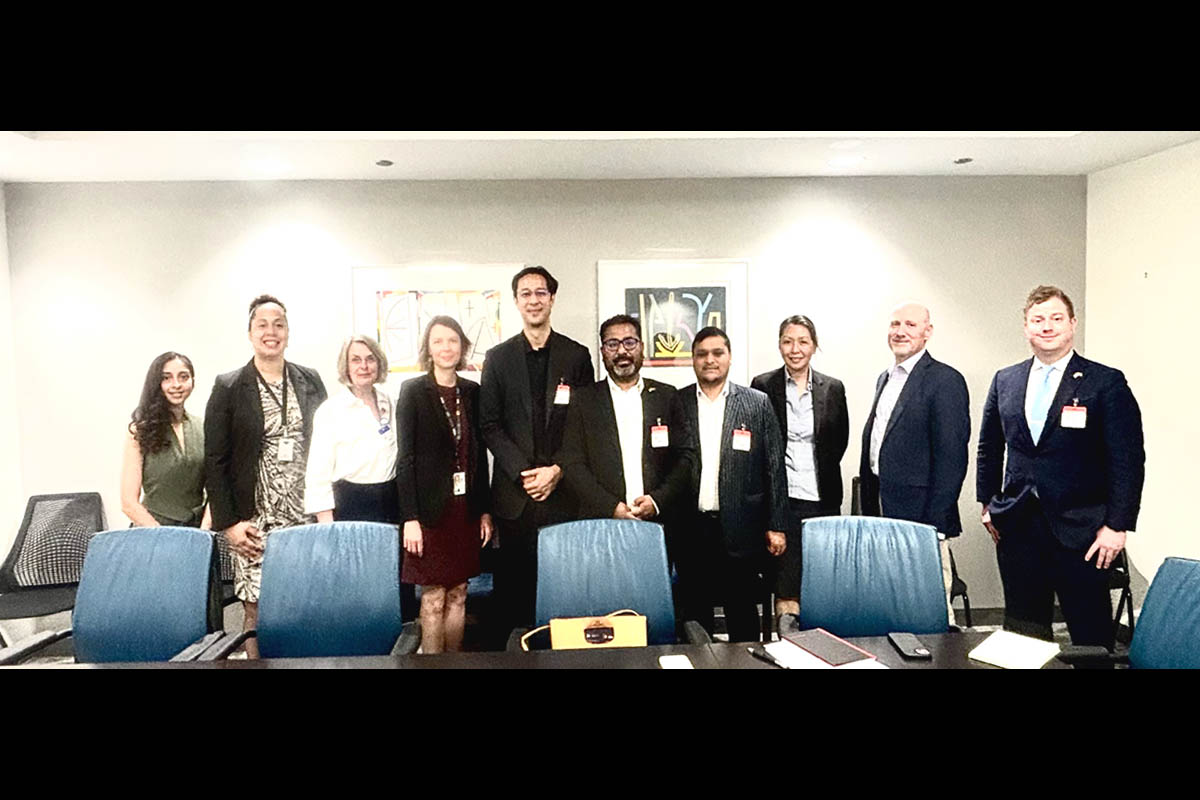
WASHINGTON, DC: American Chamber of Commerce in Nepal (AmCham Nepal) concluded its flagship 'Washington Door Knock' programme on Saturday, advancing plans to position Nepal as a global hub for clean energy‑powered digital infrastructure.
A three‑member delegation — Ajit Bikram Shah, founding chair of AmCham Nepal; Samrath Mogha, president of Mogha Energy; and Amir R Thapa, executive director of AmCham Nepal — held a series of high‑level meetings across the US government and private sector. Their engagements included the US Department of State, Department of Commerce, Department of Energy, the US Trade and Development Agency (USTDA) and the US International Development Finance Corporation (DFC).
A central outcome of the mission was the planning of a US-Nepal Energy Roadshow in partnership with the US Energy Association, an initiative intended to connect Nepal’s hydropower potential with global investors and digital infrastructure leaders. Mark W Menezes, CEO of the US Energy Association, welcomed the delegation and emphasised Nepal’s strategic role in the global clean energy transition.
At the heart of AmCham Nepal’s pitch is a 'Hydro‑to‑Data' vision that would leverage Nepal’s abundant hydropower to host sustainable hyperscale data centres and support energy‑intensive activities such as AI model training, crypto mining, cloud computing and decentralised systems. The delegation argued that Nepal’s renewable energy resources and competitive cost structures make it an attractive location for next‑generation digital infrastructure.
"Transformational change demands bold thinking," Founding Chair Shah said. "Nepal must align with global economic shifts while advancing its strategic interests — transitioning from aid to trade to secure long‑term prosperity."
Officials said USTDA expressed strong interest in supporting feasibility studies for energy‑intensive digital infrastructure and data centre ecosystems, while discussions with DFC explored financing mechanisms to support Nepali enterprises and AmCham members in digital and energy infrastructure development. Policy dialogues during the visit emphasised the need for regulatory predictability, procurement reform and enabling frameworks to attract long‑term investment in emerging sectors such as AI and crypto infrastructure.
The delegation also met Ambassador (Ret.) Atul Keshap, senior vice president for South Asia at the US Chamber of Commerce, who expressed optimism about Nepal’s political maturity and investment outlook and encouraged deeper institutional and private sector collaboration. Meetings with the World Bank and Asian Development Bank focused on project structuring, regulatory modernisation and private sector‑led growth.
"Nepal has the rare advantage of clean energy at scale in a data‑hungry world," Samrath Mogha said. "By aligning hydropower with AI and blockchain infrastructure, Nepal can position itself not just as an energy exporter, but as a digital backbone for the future global economy."
The delegation also engaged with members of Capitol Hill to advocate for renewed congressional engagement and the revival of a Nepal‑focused caucus aimed at strengthening the 78‑year bilateral partnership and expanding commercial ties.
AmCham Nepal urged the Government of Nepal to reduce regulatory friction, ensure policy stability and adopt forward‑looking frameworks that support AI, crypto and data‑driven industries. The group noted that advancing critical infrastructure, such as the Millennium Challenge Corporation transmission network, places Nepal at a strategic inflection point to export surplus clean energy while powering domestic and regional digital economies.

-1788413020.jpg)