
NRB maintains flexible monetary policy in third-quarter review amid Middle East risks

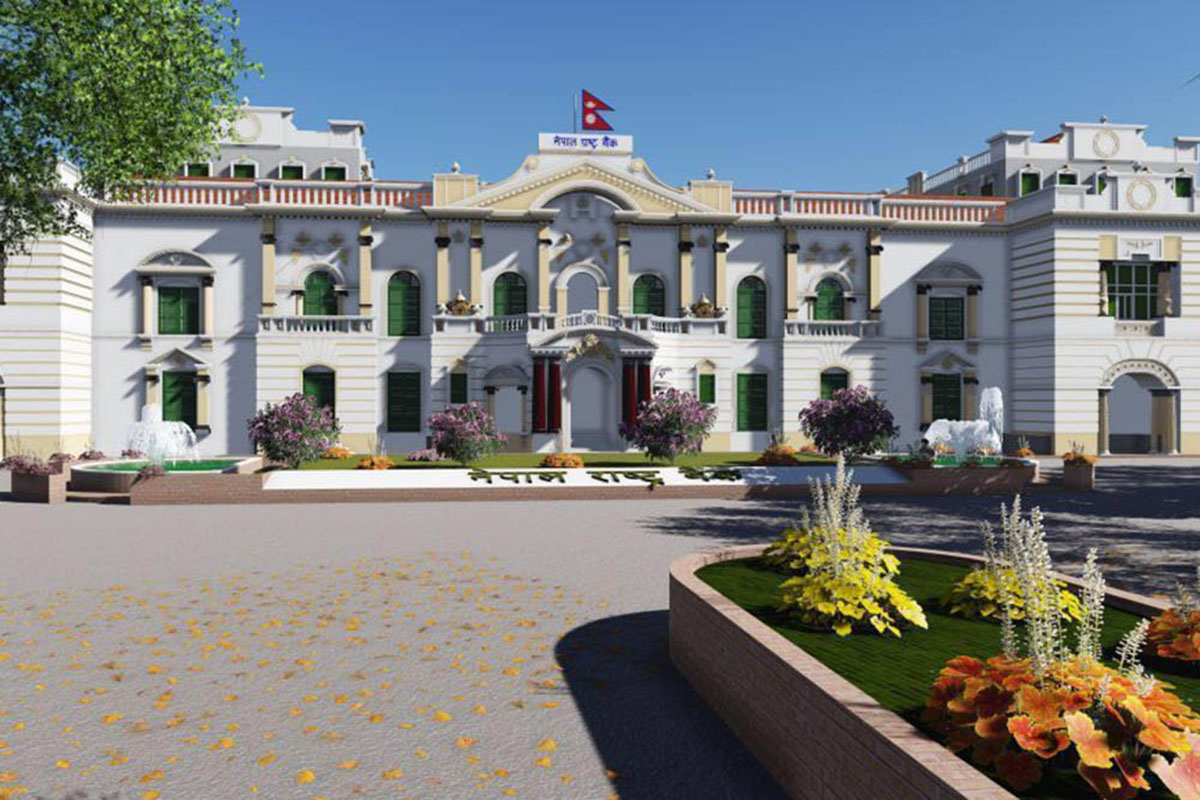
KATHMANDU: Nepal Rastra Bank (NRB) has said it will maintain a flexible monetary policy stance in its third-quarter review for fiscal year 2025/26. The move aims to support domestic economic activity while remaining cautious about external risks linked to the Middle East conflict.
Meanwhile, the central bank report shows mixed macroeconomic signals. Foreign exchange reserves reached a record Rs 3,494.73 billion, about $23.55 billion, sufficient to cover 18.4 months of imports, well above the policy minimum of seven months. Reserve growth was driven largely by a 39.1% rise in remittance inflows to Rs 1,659.41 billion, contributing to a balance of payments surplus of Rs 731.16 billion.
However, domestic growth remains below target. The National Statistics Office’s preliminary projection places annual GDP growth at 3.85%. Adverse weather and natural disasters constrained agricultural output to 1.58% growth, while industry expanded by 5.67% and services by 4.21%. Despite lower interest rates and ample liquidity, internal consumption has not recovered to expected levels.
To absorb excess liquidity in the banking system, the central bank conducted open market operations that removed Rs 1,028.60 billion.
Moreover, global developments present a clear downside risk. Renewed conflict in the Middle East has disrupted supply routes and pushed average international crude prices up by about 50%. In Nepal, petrol prices rose roughly 35% and diesel about 58% in a short period. NRB officials warned that a prolonged conflict could weaken remittance flows, noting that around 40% of Nepal’s remittances originate from Middle Eastern countries.
Given these conditions, the central bank kept key policy rates and reserve requirements unchanged. The review also noted expectations that the newly formed government after recent parliamentary elections will implement governance and administrative reforms that could accelerate capital expenditure and help lift economic performance in the remaining months of current fiscal year.



-1789136854.jpg)