Hindu Kush Himalaya to face warmer, drier monsoon this year: ICIMOD

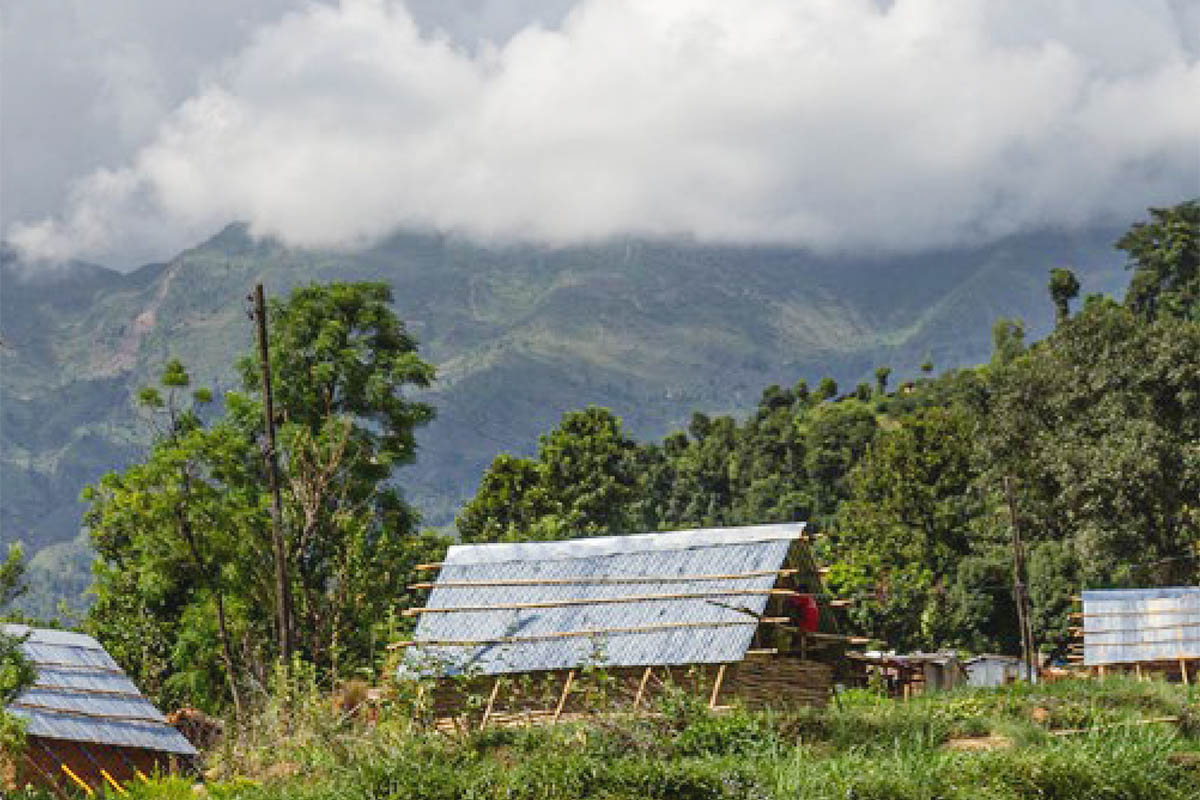
KATHMANDU: The Hindu Kush Himalaya (HKH) region is expected to face a warmer and drier monsoon this year. The HKH Monsoon Outlook 2026, published on Tuesday by the International Centre for Integrated Mountain Development (ICIMOD) in collaboration with the Chinese Academy of Sciences, warns that this will raise concerns over increased water stress, heatwaves and sudden flash floods.
The HKH Monsoon Outlook 2026 says El Niño conditions are likely to persist through the June–September season, altering regional weather patterns. Four of the eight countries in the region — Nepal, India, Bhutan and Pakistan — are projected to receive below-normal rainfall, while above-average temperatures are forecast across large parts of South Asia.
The convergence of heat and reduced precipitation is expected to strain agricultural output, reduce hydropower generation and raise public-health risks. The outlook warns that long dry spells may be punctuated by short, intense bursts of rainfall that can trigger flash floods and landslides in vulnerable mountain areas.
Warmer conditions could also accelerate glacier and snowmelt, increasing the risk of glacial lake outburst floods, the report adds. It highlights mounting pressure on food production, water resources and energy systems, and rising vulnerability in both rural and urban communities.
ICIMOD urged authorities to strengthen preparedness measures, including advanced drought responses and revised heat advisories. Hydrometeorological agencies are being encouraged to use short-term forecasting tools, such as the High-Impact Weather Assessment Toolkit and flash-flood prediction systems, to provide timely warnings to at-risk communities.
Scientists behind the outlook stressed the need for improved early-warning systems and impact-based forecasting to manage the season’s compound risks. The report draws on forecasts from multiple global and regional climate models and is intended to support governments, disaster-management agencies and communities in planning for the monsoon season.