NEGJA urges removal of VAT on diamonds, precious stones
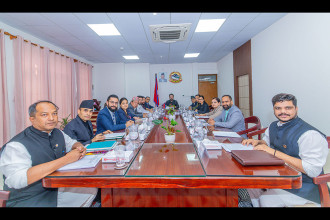
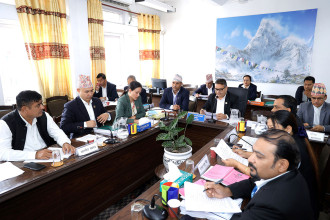
KATHMANDU: Nepal Gem and Jewellery Association (NEGJA) has urged the removal of value-added tax (VAT) on diamonds and precious stones. The association said the levy introduced in the budget has devastated the sector and driven customers to buy across the border.
At the association’s 20th annual general meeting (AGM) in Kathmandu on Saturday, NEGJA President Suman Man Tamrakar said the VAT has made diamonds and precious stones about 12% more expensive in Nepal than in India, prompting Nepali buyers to shop in the Indian market and undermining domestic trade. He said higher retail prices at home have encouraged unauthorised imports and smuggling, since small, high-value items are easy to move across the open border.
Presenting import data, Tamrakar said diamond imports have fallen by more than half compared with the previous year since VAT was applied. “Although the revenue received by the government from diamonds and precious stones increased after imposing VAT, the livelihoods of thousands of businessmen and hundreds of thousands of workers have been put at risk,” he said, adding that Indian traders and unauthorised dealers are prospering while domestic entrepreneurs are being displaced.
Tamrakar also raised concerns about the gold market, noting that a 15% customs duty in India versus 20% in Nepal drives customers to buy jewellery in India. He said this dynamic has led to unauthorised inflows of raw gold and left legally imported gold held by banks unsold, harming banks, businesses and employment.
The association urged policy changes to make gold and jewellery more competitively priced in Nepal so that customers are drawn to the domestic market rather than to India. It called for abolition of the quota system on gold imports, arguing that the quota — originally imposed when foreign exchange reserves were low — now causes raw material shortages despite record-high reserves.
Tamrakar proposed several regulatory adjustments, including raising the daily QR code payment limit, revising the KYC threshold for cash jewellery sales, increasing the goAML reporting threshold from 500,000 to 1,000,000 rupees, and allowing jewellery exporters to receive cash subsidies and refunds on duties when purchases by foreign citizens and non-resident Nepalis are paid in convertible foreign currency. He also asked that entrepreneurs be permitted to open foreign currency accounts to deposit such earnings.
Member of the House of Representatives Ganesh Parajuli, the chief guest at the opening session, urged the sector to submit its concerns in writing to the Industry, Commerce, Labour and Consumer Welfare Committee of Parliament for detailed discussion. He said a business-friendly policy could be developed through consultations among ministers, government officials, parliamentarians and entrepreneurs, and affirmed that the government regards the private sector as a driving force of the economy.
Representatives from major business bodies, including the Federation of Nepalese Chambers of Commerce and Industry (FNCCI), Confederation of Nepalese Industries (CNI) and Nepal Chamber of Commerce (NCC), along with former president of NEGJA, Jyotsna Shrestha, highlighted the jewellery sector’s economic contribution and called for the resolution of policy and procedural problems affecting the industry.
-1788413019.jpg)