Tea factories in Ilam shutting down as India tightens testing of Nepali tea

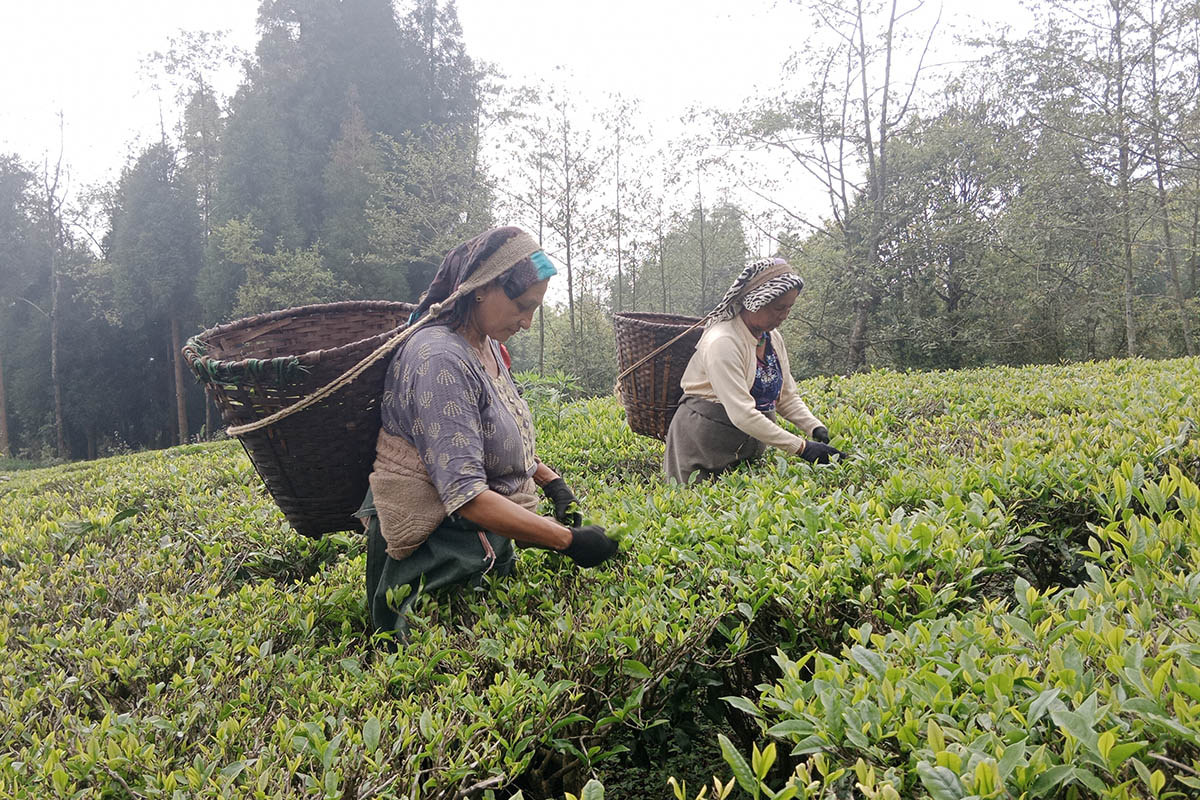
ILAM: Tea factories in Suryodaya Municipality of Ilam district were reported to begin shutting down on Monday, June 15, after India introduced stricter testing procedures for Nepali tea, the Suryodaya Orthodox Tea Producers Association Nepal said on Sunday.
The association, which represents 53 factories, said more than 300,000 kilograms of Nepali tea currently in the Indian market remain stuck pending quality tests, while over 700,000 kilograms of manufactured tea are stockpiled in local factories. Association President Dilli Shrestha said storage capacity has been exhausted, and factories cannot continue operating.
"We have processed the green leaves purchased from farmers to produce manufactured tea, but it could not be sold in the market. Even the storage space is completely full," President Shrestha said. "We cannot withhold payments to the farmers, so there is no alternative left other than shutting down the industries."
A Standard Operating Procedure for tea imports from Nepal that took effect on May 1, 2026, requires tea from each vehicle to be tested separately. The association said test reports take more than 20 days to arrive, and sales are barred until results are issued. If consignments fail the tests, they must be either destroyed or returned.
"The pathway to deliver the produced tea to the market is almost completely blocked," industrialist Gopal Kattel said. "After India obstructed Nepali tea by creating various technical hassles, we are not in a position to operate the industries." He urged the federal government to take diplomatic steps to resolve export problems, warning of the risk to a market worth billions of rupees.
Thousands of farmers will face immediate hardship if factories close. The association reported that 2,995 tea farmers in Suryodaya cultivate tea across 33,655 ropanis and produce about 20 million kilograms of green leaves annually.
"If the industry shuts down, our income will stop; how will we run our families? We will lose our livelihood," farmer Rajan Bhattarai said. "Once the industries are closed, our green leaves will not sell. The worry of how to survive has now grown."
Meanwhile, Suryodaya Municipality, home to more than 65 tea factories, has urged the Ministry of Foreign Affairs to launch high-level diplomatic efforts to remove the Indian restrictions. The municipality said the Tea Board of India has been collecting and testing samples from each sack of Nepali consignments arriving in Kolkata, and that laboratory reports have not been returned even a week after sampling, halting sales and distribution.
"Due to the cumbersome process, there is a risk of high-quality Nepali tea degrading and spoiling while left stranded in Indian warehouses," Acting Mayor Durga Kumar Baral said. "The Government of Nepal must take high-level diplomatic initiatives to remove the Indian obstruction."
Nabin Koirala of the National Tea and Coffee Development Board noted Nepal exports more than 7 million kilograms of orthodox manufactured tea annually, with over 90% destined for India. Nepal's annual manufactured tea exports exceed Rs 4.25 billion, with orthodox production concentrated in Ilam, Panchthar and Dhankuta.
(With inputs from RSS)



-1790177277.jpg)