
Nagdhunga tunnel prepares for full operation from mid-July

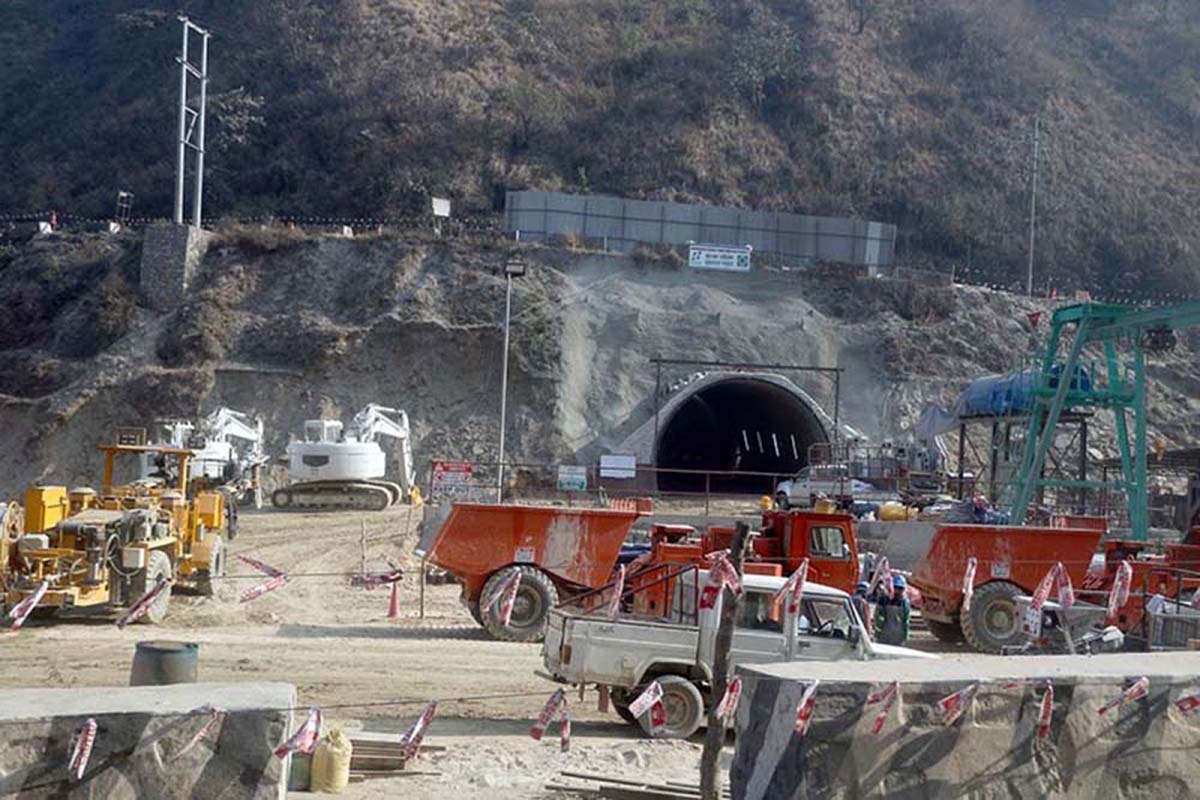
KATHMANDU: Travellers entering and leaving the Kathmandu Valley may soon bypass the notorious Nagdhunga traffic jam as the country’s first traffic road tunnel prepares for full-scale operation by mid-July.
Project Director Saujanya Nepal said that internal preparations are underway to bring the tunnel into operation between mid-July and mid-August. “We are now conducting emergency response drills, rescue simulations and traffic management tests to ensure that the tunnel is fully prepared for operation,” he said, adding that most construction work inside the tunnel has been completed. He noted that the only major outstanding task involves landslide prevention measures outside the tunnel.
The two-lane tunnel, spanning a 2,688-metre stretch, is expected to change travel along one of Nepal’s busiest road corridors by offering a faster and more reliable route between the Valley and the rest of the country. For thousands of commuters and transport operators who regularly face congestion at Nagdhunga, the tunnel’s opening is anticipated to provide significant relief.
The project had an original completion target of April 2023, but authorities say delays caused by contractor issues and obstructions from local residents, among other factors, pushed the timeline beyond the initial deadline.
Operational exercises and management rehearsals are currently being carried out to ensure a smooth launch once the facility opens to the public. Project Director Nepal said arrangements are being finalised for toll collection and issuance of cards. Drivers will be able to pay tolls in cash, by scanning a QR code, or via an electronic toll system that uses vehicle-mounted stickers read by high-capacity cameras.
Toll revenues collected from travellers will be deposited into the account of Road Board Nepal, while the operating company will manage day-to-day collection and operations, the project director said.
The Yuxin-ART JV company has been awarded a contract worth Rs 1.1 billion to operate, manage and maintain the tunnel 24 hours a day for the next five years. The company was selected through a competitive process that attracted 10 applications, project officials said.
A total of 150 personnel will be recruited to run the tunnel, with up to 40 staff members deployed during peak daytime hours. “Currently, internal preparations are ongoing. We have set a target to operate the tunnel by mid-July with all preparations completed,” Nepal reiterated.
Officials estimate that, on average, more than 8,000 small and large vehicles, excluding two-wheelers, could use the tunnel to enter and exit the Kathmandu Valley each day.
(With inputs from RSS)
-1790071555.jpeg)

-1789983660.jpeg)