El Niño delays monsoon, raises drought concerns in Nepal

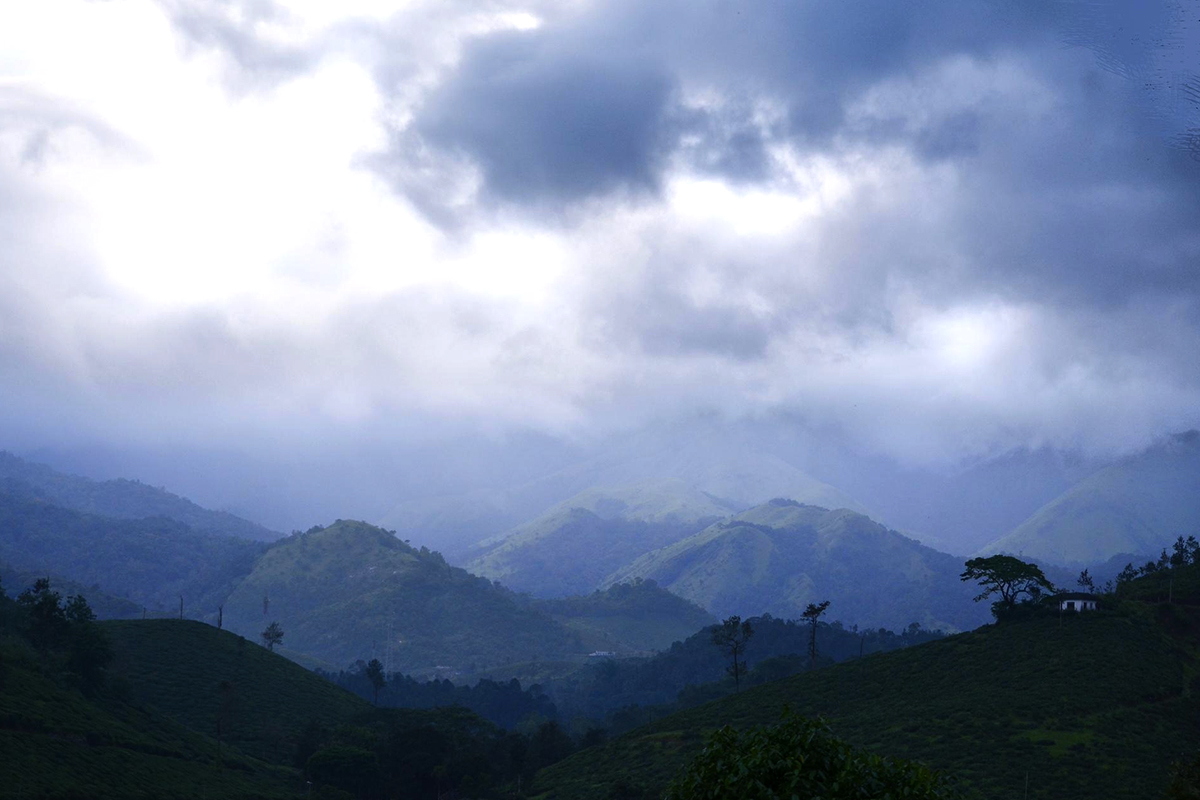
KATHMANDU: Nepal’s annual monsoon, which normally arrives around June 13, has been delayed and is now several days late. Officials at the Department of Hydrology and Meteorology (DHM) said the delay is raising concerns about reduced rainfall and higher temperatures during the season.
The DHM linked the delay to an El Niño event developing in the Pacific Ocean and the influence of westerly winds. The department’s analysis indicates the monsoon’s arrival could be postponed by a few more days and that overall rainfall across the country is likely to be below average.
El Niño is a natural climate pattern in the tropical Pacific that brings unusually warm sea surface temperatures and alters global weather, often causing drought in some regions and heavy rain in others; it typically occurs every 2-7 years and can last about 9-12 months.
Department spokesperson Bibhuti Pokharel said El Niño is strengthening in the Pacific and is expected to weaken the monsoon over South Asia, including Nepal. The department projected a higher-than-normal chance of below-average rainfall in several regions this year.
Officials put the probability of below-average rainfall at 55 to 65% for the southern parts of Karnali Province, most areas of Lumbini Province, eastern Madhes Province and southern Koshi Province. A 45 to 55% chance of below-average rainfall was forecast for most of Sudurpaschim Province, western Madhes and parts of Koshi. Northern Karnali and Koshi were given a 35 to 45% chance of receiving less than average rain, with most remaining areas also in the 35 to 45% range.
The department also warned of a 55 to 65% likelihood of above-average maximum temperatures in various parts of the country, and said minimum temperatures are likely to be higher than normal nationwide.
Sujan Subedi, head of the Weather Analysis Branch, said the monsoon is the most sensitive weather system in Nepal and that about 80% of the country’s annual rainfall typically falls during the monsoon months. Nepal’s monsoon season usually runs from early June to early September.
Agriculture officials expressed concern about the potential impact on paddy cultivation. Lal Kumar Shrestha, joint spokesperson and senior agricultural economist at the Ministry of Agriculture, Forest and Environment, warned that a late or weak monsoon could harm paddy planting because much of the crop depends on rainwater in areas lacking reliable irrigation.
Shrestha urged farmers and policymakers to adopt weather-adapted farming practices to reduce the risk to agricultural production amid changing climate patterns and the possibility of reduced rainfall.
(With input from RSS)