Majority of Nepal's tourism infrastructure remains operational despite regional flash floods: PATA Nepal Chapter

-1788066395.jpg)
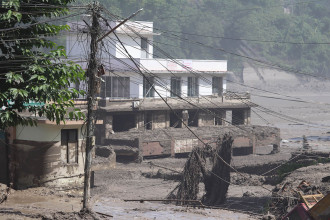
KATHMANDU: Pacific Asia Travel Association (PATA) Nepal Chapter has issued an operational update following a flash flood that struck Rasuwa, Nuwakot, and Dhading districts on Wednesday. The flood, which surged down the Bhotekoshi and into the Trishuli River, has prompted ongoing search and rescue operations.
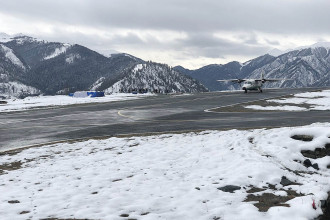
The majority of the country's tourism infrastructure continues to function without disruption. Overland travel routes between Kathmandu and Pokhara, as well as Kathmandu and Chitwan, are operating as usual. Tribhuvan International Airport (TIA) and all domestic airports remain open, alongside hotels, restaurants, and heritage sites within the Kathmandu Valley.
Key trekking destinations, including the Everest and Khumbu regions, along with flights to Lukla, the Annapurna region, Pokhara, Chitwan, Bardiya, Lumbini, and Tarai, are unaffected. PATA highlighted that the Everest and Annapurna areas, which welcome the vast majority of autumn arrivals, sit outside the affected river system and were not in the path of the floodwaters.
Travel to Langtang, Rasuwa, and Bhotekoshi corridors is currently impossible due to closures and active rescue efforts. Authorities have also issued warnings regarding potential further flooding from an upstream barrier lake, and the Galchhi-Syabrubesi road remains closed.
The PATA Nepal Chapter stated that its primary focus is supporting the emergency response, while its second priority is ensuring accurate reporting. The organisation noted that international coverage has failed to distinguish between a single river corridor and the wider country of 147,000 square kilometres, leading travellers to draw unsupported conclusions.
The autumn trekking season is scheduled to commence in four weeks. The PATA Nepal Chapter intends to confirm future operating conditions in the flood-affected areas through subsequent updates once the situation stabilises. Official updates regarding traveller safety and whereabouts are being managed by the Nepal Tourism Board (NTB), while verified casualty figures are provided by Nepal Police and National Disaster Risk Reduction and Management Authority (NDRRMA).