"A Key Difference Is Our Focus on Emerging Markets" – Yelena Yang Sun

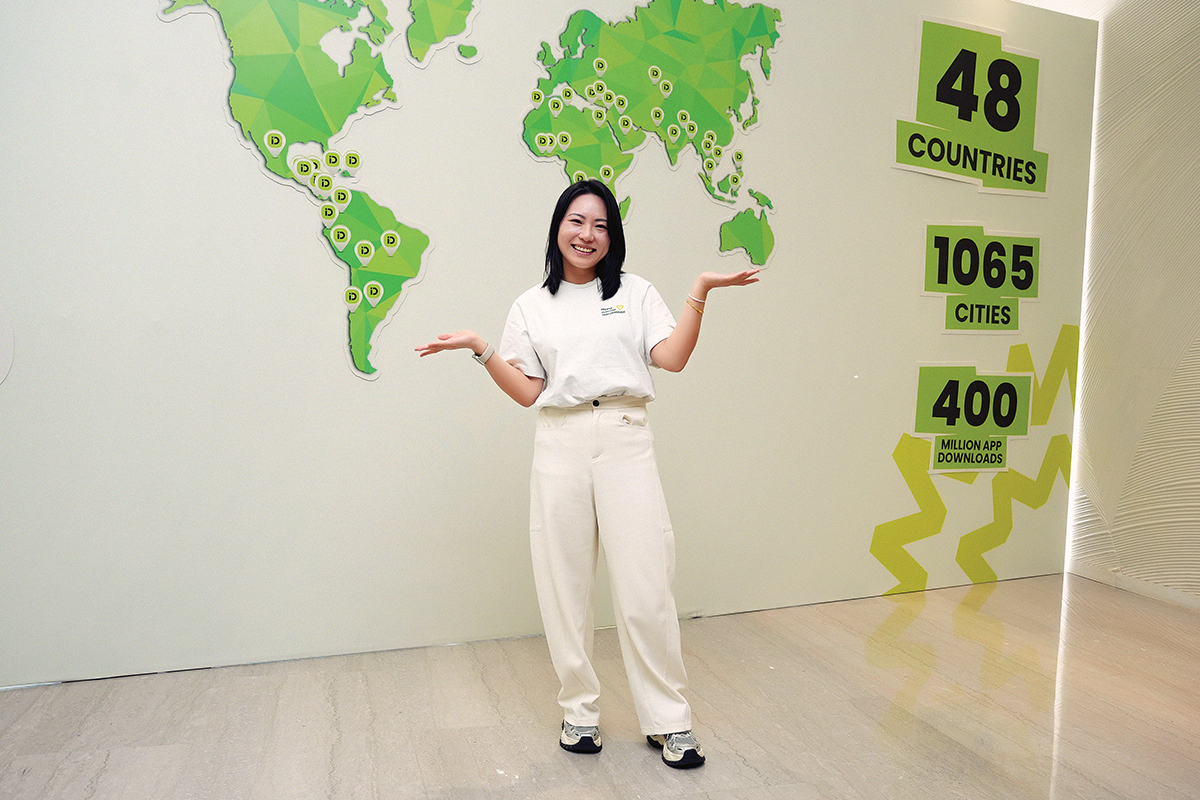
Yelena Yang Sun
Director – SuperApp, inDrive
“A key difference is our focus on emerging markets. Traditional platforms are often designed for developed nations but we specifically design our technology architecture to perform under the hardware and phone limitations common in emerging markets. This focus on specific local constraints guides how we build every piece of the SuperApp.”
In the rapidly evolving landscape of digital services, inDrive is undergoing a profound transformation from a disruptive ride-hailing platform into a global fairness-driven SuperApp. Leading this ambitious expansion into new verticals is Yelena Yang Sun, SuperApp Director at inDrive. With a background deeply rooted in venture capital and strategic investment, Yang Sun is tasked with scaling the company’s mission of transparency and peer-to-peer negotiation into essential daily services such as fintech, delivery and groceries across key emerging markets.
Under her leadership, the company’s New Verticals division is focused on leapfrogging traditional technology stacks by utilising AI-first infrastructure tailored for the specific hardware constraints of developing nations. Her strategy emphasises a localised, purpose-driven approach that rejects the one-size-fits-all Silicon Valley model in favour of solving real-world community problems. By integrating diverse urban services into a single, seamless ecosystem, she aims to create a sustainable cycle of opportunity for both service providers and consumers.
In this edition of Business 360, Yang Sun discusses the long-term vision of redefining inDrive as a comprehensive fairness platform. She provides insights into the unique digital maturity of markets like Nepal, the expansion of inDrive Money for financial inclusion and the technical rigour required to maintain low take rates while scaling globally. Her perspective offers a roadmap for how technology can be harnessed to drive positive, equitable impact in the world’s fastest-growing economies. Excerpts:
inDrive has been evolving from a ride-hailing platform into a broader SuperApp. What is the long-term vision behind this transformation?
Our long-term vision is fundamentally rooted in the success we have already achieved within the mobility sector. We have spent years perfecting a differentiated model that is negotiation-based with very transparent pricing, aimed at making mobility more affordable and fair for our users. The goal now is to take that core concept and expand it outside of the mobility space into other essential aspects of people’s daily lives as much as possible.
Ultimately, we want our users to think of inDrive as a fairness platform. We are looking to build a digital ecosystem where people can access a variety of services that make their lives significantly easier and more affordable. By expanding our fairness model beyond mobility, we aim to address other essential needs across our key emerging markets. This is the driving force behind our transition into the next chapter of the company, using our platform to impact more people in a positive, equitable way.
What key services will define the inDrive SuperApp ecosystem in the coming years, particularly in emerging markets like Nepal?
It is vital to understand that our approach is not a one-size-fits-all strategy. Each market faces a unique situation with different levels of digital adoption and specific local needs. We do not believe in launching a fixed set of verticals everywhere. Instead, we pick the services that are most relevant to the local context.
However, our primary focus is on essential services, the things people definitely need on a daily basis. Just as mobility is a daily requirement for travel, we look for other areas where frequent use allows us to make the most impact. For example, we recently expanded into groceries in other markets and are currently exploring how food delivery might fit into the Nepal ecosystem, as food and drink are universal essentials.
Fintech is another area where we see massive potential. We have already launched inDrive Money, which provides affordable lending to users who might be excluded from the traditional financial system. Providing these life-saving lines of credit allows individuals to achieve greater financial freedom, which aligns perfectly with our mission. In Nepal specifically, we see a nation set up for digital innovation, with high mobile penetration and a young population ready to embrace convenience. We are currently in an explorative journey to identify which specific pain points, where services are currently expensive or inaccessible, we can solve next for the Nepali people.
How does the SuperApp strategy help create more earning opportunities for drivers, couriers and service providers on the platform?
The SuperApp model is designed as an ecosystem that benefits all parties involved. While it certainly brings more benefits to drivers and couriers on the supply side, it expands far beyond that. For example, our delivery business serves a large segment of merchants, particularly small to medium-sized businesses. By joining our platform, these merchants can access a user base they might not have been able to reach otherwise.
By diversifying our services, we create a more robust environment where there are more ways to earn across different verticals. This increased activity makes the entire platform more efficient. When we offer services on fairer terms, it drives higher demand from users, which in turn creates more work for our service providers. It is about creating a sustainable cycle of fairness and opportunity for everyone in the community.
What role does user choice and peer-to-peer pricing play in shaping the SuperApp model compared to traditional app ecosystems?
Our peer-to-peer negotiation model is our primary differentiator. It is our way of bringing fairness and transparency to digital services. While not every single service vertical will be able to adopt a direct negotiation model, the fundamental value of making the service fairer and more affordable remains our North Star.
Furthermore, most existing SuperApps were built before the current AI revolution. We are in a unique moment in history where we can take AI as the default state for our development. We do not have to struggle with changing a legacy technology stack. Instead, we are leapfrogging that development to build for the future as we stand today.
Another key difference is our focus on emerging markets. Traditional platforms are often designed for developed nations but we specifically design our technology architecture to perform under the hardware and phone limitations common in emerging markets. This focus on specific local constraints guides how we build every piece of the SuperApp.
Which SuperApp features or services have shown the fastest adoption globally, and what lessons can markets like Nepal learn from those experiences?
Adoption is most natural when you tap into essential services that people use frequently. If you can provide a service that is smooth, reliable and more affordable than existing options, users will naturally migrate to your platform. We have seen this with mobility and we are seeing it as we move into food and groceries.
The lesson for Nepal is that the market is already ready for this. The population is incredibly young, with an average age of about 25 and they are very digitally savvy. However, adoption must be paced correctly. For instance, while digital payments are growing tenfold and are quite mature in Nepal, grocery delivery is still in its early stages. The lesson is to find the right combination of market maturity, high pain points, such as high service fees or exclusion, and digital behaviour readiness before pushing a new service.
How is inDrive ensuring seamless integration between mobility, delivery and other urban services within a single app experience?
Seamless integration relies on two main components, finding the right partners and building a scalable technology infrastructure. We cannot build every service from scratch, nor would that be the most effective way to grow. Instead, we look for partners who share our fundamental values of making services affordable. If a partner’s business model is not tailored for price-sensitive users looking for a fair option, there will be a fundamental mismatch.
Once the right partner is selected, we rely on a very sophisticated technology infrastructure. We have spent a significant amount of effort over the past year reducing the speed of integration. We want the experience to feel fully embedded. When a user opens the app to access a service provided by a third party, it should not feel chunky or broken. It needs to be a natural part of the app experience and that requires a lot of background work to ensure the integration is repeatable globally.
What challenges do companies typically face when building a SuperApp and how is inDrive addressing them?
One of the biggest challenges is the urge to rush. You cannot become a SuperApp on day one. It took us 10 years to build a solid ride-hailing business before we even considered expanding into other services. There are no shortcuts in this journey.
For young entrepreneurs in Nepal, my advice is to stop trying to be another Silicon Valley founder. There are so many unique, fundamental problems in your own community that need addressing. Look for solutions that are fairness-driven and purpose-driven. If you focus on genuinely solving a problem for your community without trying to exploit people, you build a solid foundation. From there, you can gradually expand to solve more problems. The challenge is staying true to that principle and finding effective solutions for daily life rather than looking for a quick exit.
With increasing competition in the SuperApp space, what differentiates inDrive’s approach from other global platforms?
Our differentiation comes from staying true to three core pillars. Our focus on emerging markets, our commitment to fairness and our smart use of technology. We are uniquely building for the specific constraints and needs of markets like Nepal, rather than trying to port a Western model over. We succeeded because we brought freedom of choice to our users, and we will continue that.
Finally, technology is our greatest enabler. It allows us to keep our operations lean and effective, which is what enables us to maintain a low take rate and keep services affordable for the people. By aggressively applying the latest AI technologies to everything we do, we can remain more agile than our competitors. We are not scaling just for the sake of getting bigger. We are scaling to expand the positive impact we can create.