
Government of Nepal, WWF Nepal launch UK-funded programme to conserve upper Dolpa rangelands

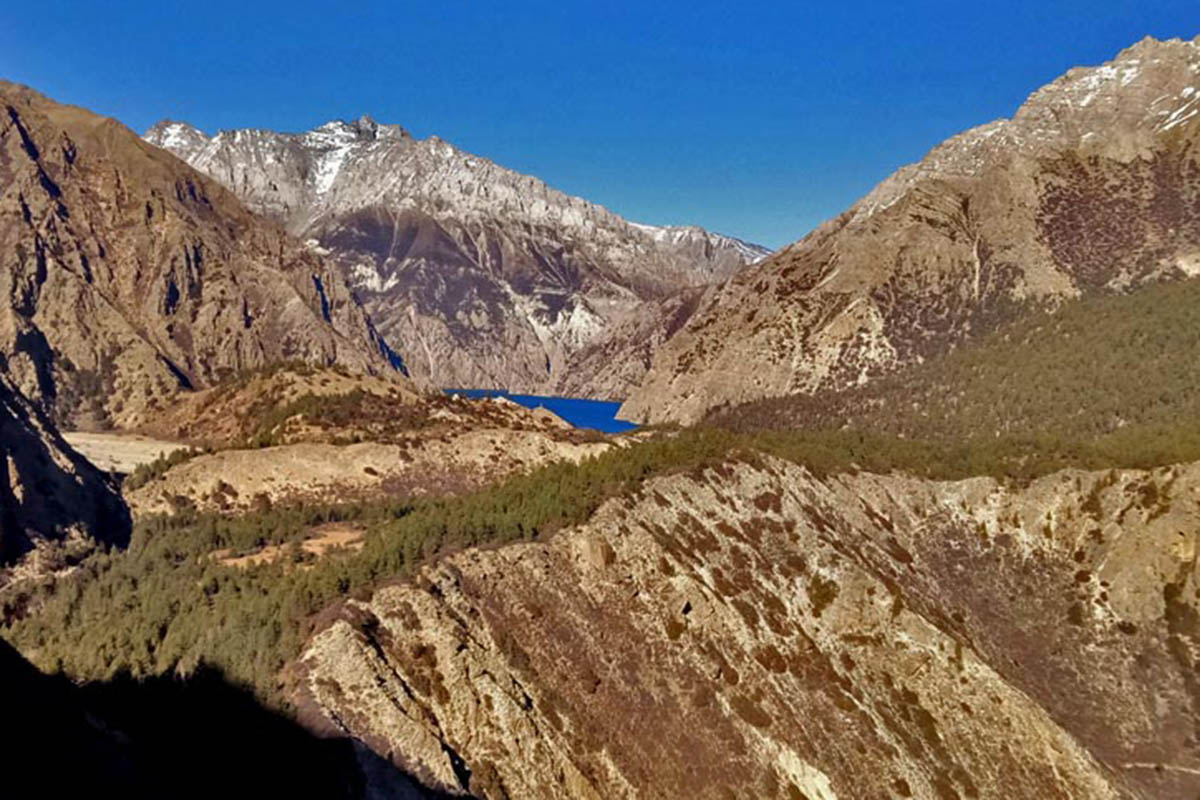
KATHMANDU: The Government of Nepal, with support from WWF Nepal, has launched a four‑year programme to conserve high-altitude rangelands in remote upper Dolpa, Karnali Province, while supporting local livelihoods and cultural preservation.
The programme is funded by the UK Government through the Darwin Initiative and is titled 'Reviving Faith Leadership for High Mountains Rangeland Conservation in Nepal.' The initiative will pilot a co‑management approach that combines indigenous knowledge and modern science to protect rangelands that have sustained mountain communities and biodiversity for millennia. The launch coincides with 2026 being observed as the International Year of the Rangelands and Pastoralists.
Rangelands in Nepal’s high mountains are vital for water security, local economies and biodiversity, including habitat for the snow leopard. In Dolpa, these areas support Indigenous Peoples and local communities who depend on livestock herding, non‑timber forest products and traditional medicine. Project documents warn that increasing anthropogenic pressures and climate change are placing these rangelands at risk.
Led by the Department of National Parks and Wildlife Conservation (DNPWC) and Shey Phoksundo National Park (SPNP), and guided by Shey Phoksundo Rural Municipality, the project aims to develop a replicable governance model for high‑altitude rangelands. The rangelands in the project area support more than 650 households in the Buddha and Mukporong Buffer Zone User Committees, where communities rely on livestock, non‑timber forest products (NTFPs) and traditional medicine.
The project will form local Rangeland Management Sub‑committees within the buffer zone user committees, capacitating youth, women and herders. To preserve traditional knowledge systems, the sub‑committees will be led by faith leaders and traditional medical practitioners known as Amchis. The initiative will also support Amchis to transition towards legal and sustainable sources for medicinal ingredients, reducing pressure on threatened wildlife and plant species while maintaining Sowa Rigpa healing practices.
“WWF Nepal has a strong history of working with underprivileged communities in some of the country’s most remote landscapes. With support from the Darwin Initiative, we have improved the lives of economically and socially disadvantaged groups in the Terai,” said Dr Ghana Shyam Gurung, Country Representative of WWF Nepal. “Through this new project in upper Dolpa, one of Nepal’s most remote regions, we aim to deliver similar impact by strengthening community‑led conservation and livelihoods.”
“Community engagement and integration of traditional knowledge in rangeland management is a priority strategy of the government of Nepal. DNPWC would like to acknowledge the donors and partners in contributing on it through this important project,” said Dr Budhi Sagar Paudel, Director General of DNPWC.
Civil society partners include the Asia Network for Sustainable Agriculture and Bioresources (ANSAB) Nepal and the Sowa Rigpa Association Nepal (SRAN). ANSAB will support scientific management, sustainable harvest of non‑timber forest products, value addition and trade linkages, while SRAN will work to adapt and strengthen Sowa Rigpa practices by capacitating Amchis.
“This project is a brilliant example of how UK support through the Darwin Initiative can strengthen local leadership to benefit both people and nature. By working with faith leaders and community rangeland committees, we recognise a simple truth long taught by the Buddha: the wellbeing of people and the natural world are closely linked,” said His Excellency Robb Fenn, Ambassador of the UK to Nepal.
Organisers said the four‑year programme will build on existing conservation efforts in Shey Phoksundo National Park to secure rangelands and their tangible and intangible services for long‑term community well‑being, while addressing practical challenges such as remoteness, limited resources and unclear management responsibilities.
-1791368436.jpeg)
-1791367392.jpeg)
-1791357574.jpeg)